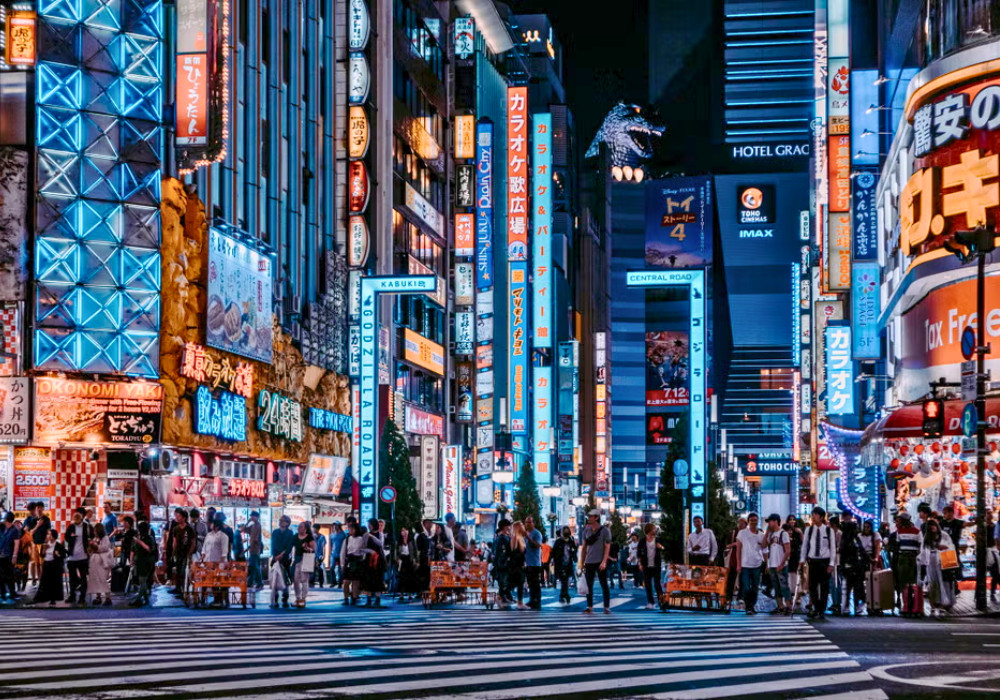

Japan is raising its departure tax – a small add-on in isolation, but another clear signal that travel costs are inching up as the country tightens how it manages visitor pressure.
If you’ve flown out of Japan anytime since 2019, you’ve already paid the International Tourist Tax (the departure tax): ¥1,000 per person, automatically included in the cost of your airline or ferry ticket, with no forms and no extra airport steps. What’s changing now is just the number. Japanese media reports say the government plans to triple the levy to ¥3,000, with implementation expected from July 2026 – still modest, but noticeable if you travel often or booking flights for a family.
Read More: Powder Perfect – The Best Ski Resorts Across The Globe
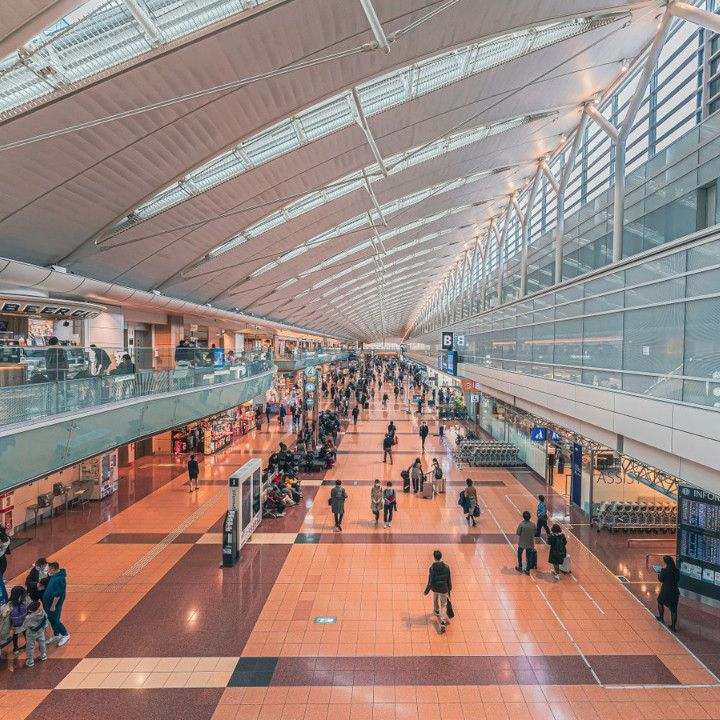
Who Pays – And Who Doesn’t
The fine print hasn’t changed much: the tax broadly applies to people leaving Japan by air or sea (including Japanese citizens). Standard exemptions include children under two and transit passengers departing within 24 hours, along with categories like travel crew.
And the departure levy may not be the only cost adjustment on the horizon. Reporting suggests Japan is also weighing higher visa fees for travellers who aren’t visa-exempt, with figures floated at roughly ¥15,000 for single-entry and around ¥30,000 for multiple-entry (final amounts will depend on what’s formally approved). For travellers on visa waivers, nothing changes – but if you typically need a visa, it’s worth checking the latest official guidelines before you apply.
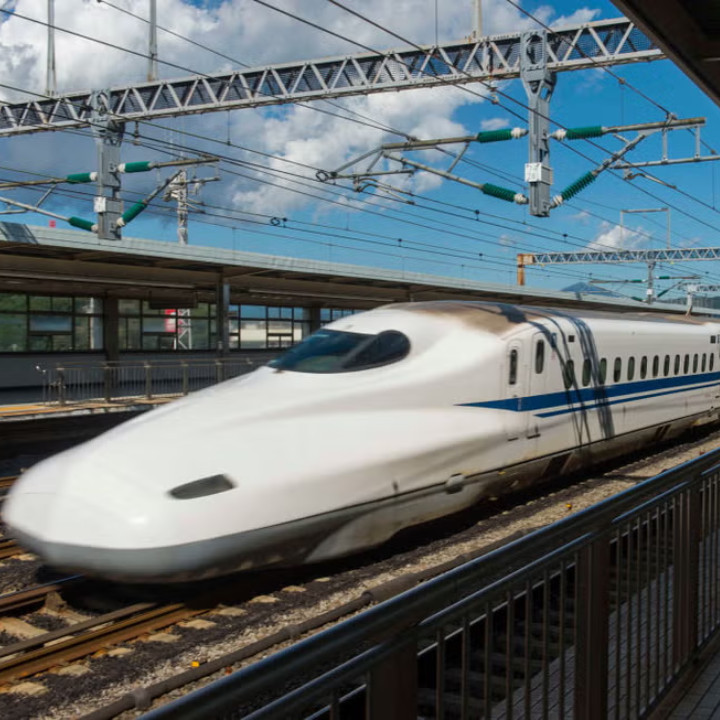
A New Pre-Travel Step
Then there’s what’s next. Japan is moving toward an online pre-travel screening system for visa-free visitors – commonly referred to as JESTA – targeted for fiscal 2028. The proposed fee is currently in the ¥2,000-¥3,000 range – essentially a pre-trip authorisation fee, similar to the ETAs used by other destinations, on top of the departure tax.

Kyoto’s Crowding Response
And if Kyoto is on your itinerary, factor in the city’s own crowd-management measures: Kyoto’s accommodation tax is set to rise from 1 March, 2026 – scaled by room price and reaching up to ¥10,000 per person, per night at the top end.

What This Means For Travellers
None of this changes how you travel – most of these charges are designed to be frictionless (added to tickets or paid online) – but it will inflate your total trip cost, an issue especially if Japan is a go-to short break or if you go more than once a year. The takeaway: expect a Japan trip to cost a little more from 2026 to 2028, and if you need a visa, remember to double-check the latest fees before you apply instead of relying on last year’s numbers.