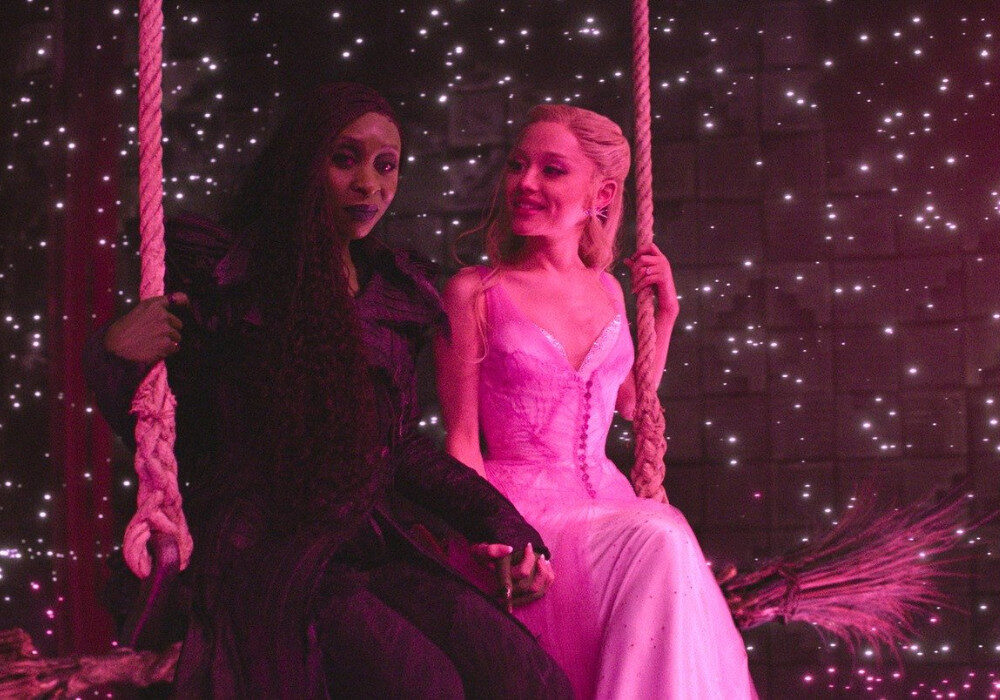

Spoiler Warning: This piece discusses major plot points from ‘Wicked: For Good’
‘Wicked: For Good’ lands as the rare second half of a blockbuster musical, with a lot resting on its shoulders. The first film made huge money, built a new generation of Emerald City-fanatics and ended – quite literally – on a cliff (or broom) hanger. Part Two has to stick the landing, pay off nearly five hours of build-up and convince sceptics that splitting the stage musical into two separate acts was worth it.
The short answer: if you were already on board with ‘Wicked: Part One,’ this final chapter is big, glossy, emotional and often genuinely moving. If you rolled your eyes at the first film, this one probably won’t convert you – but might still surprise you with how much heart it carries, especially when it lets Ariana Grande and Cynthia Erivo simply stand together and sing.
Read More: Wicked: Part One Is The Broadway Adaptation That Finally Gets It Right
Where ‘Wicked: For Good’ Picks Up
Where ‘Part One’ was essentially the ‘origin story’ – how green-skinned Elphaba (Cynthia Erivo) and blonde, bubbly Glinda (Ariana Grande) went from college roommates to uneasy allies – ‘Wicked: For Good’ dives into the fallout.
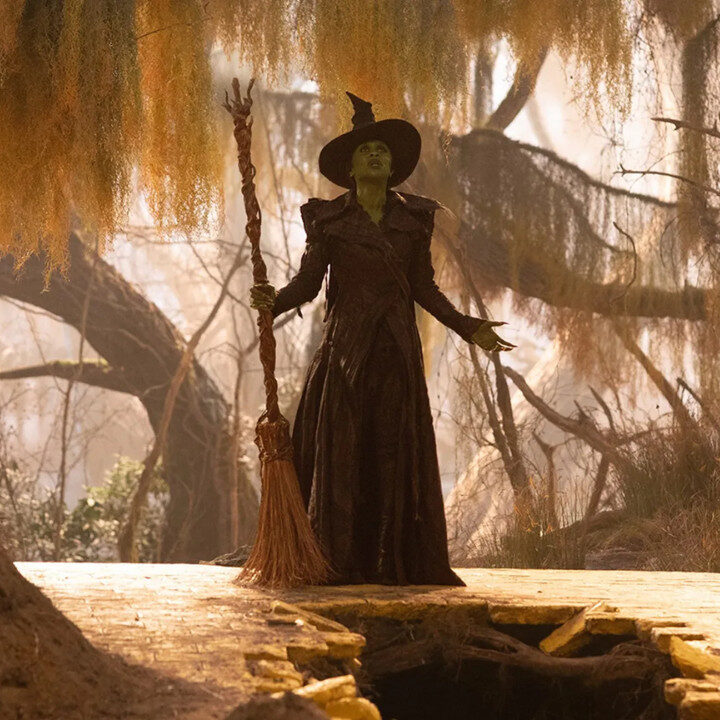
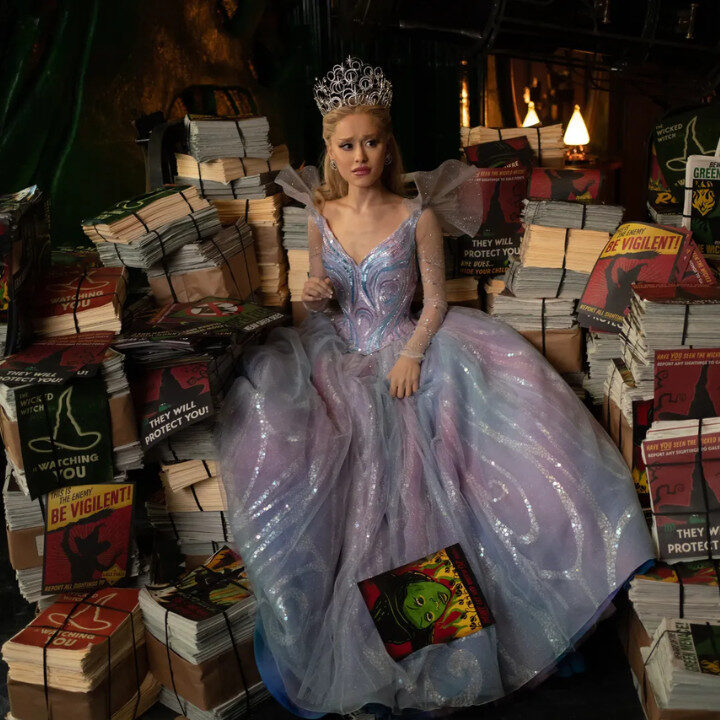
Elphaba, having exposed the Wizard as a fraud, is now living on the run in a shadowy forest, hunted by his soldiers. Glinda, still in Oz, has risen to full-on national sweetheart status: she floats around in a literal bubble, lives in a pink-and-marble Art Deco apartment and fronts a shiny PR machine that keeps the regime in power – whether she fully realises it or not. Around them, Oz is hardening into something darker. Animals are being rounded up and stripped of rights, propaganda posters turn Elphaba into a caricature of evil, and familiar figures from ‘The Wizard of Oz’ – the Tin Man, Scarecrow, Cowardly Lion and eventually Dorothy herself – slip into the story as the timeline catches up to the classic film.
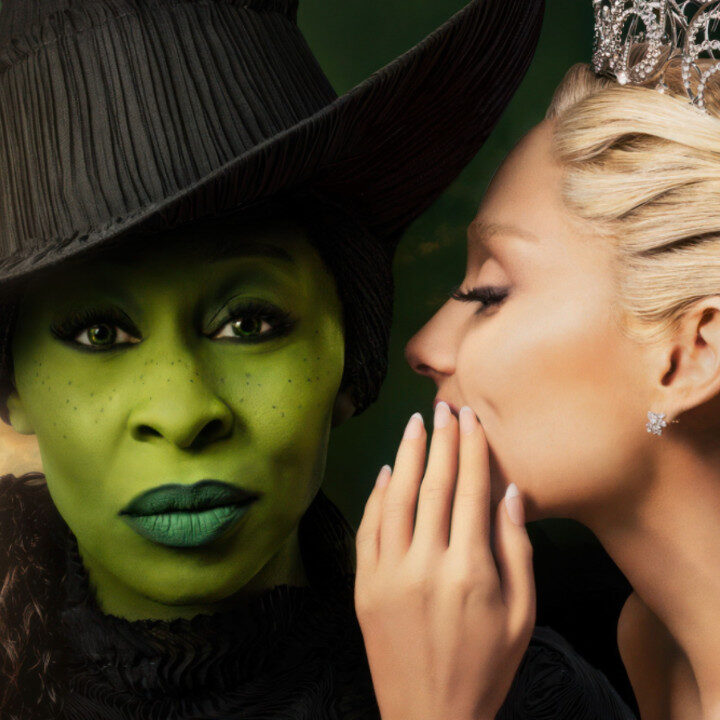
The emotional spine, though, is still the relationship between the two witches: one vilified and exiled, the other adored and compromised. Everything else – the politics, the flying monkeys, the increasingly chaotic magic – orbits that bond.
Strengthening The Stage Musical’s Final Act
Plenty of theatre fans have long complained that ‘Wicked’s’ second act is more rushed, plot-heavy and less musically memorable than its first. Rather than tiptoeing past these misgivings, ‘Wicked: For Good’ really commits to addressing them.
Freed from having to reintroduce the fantastical Oz universe, director Jon M. Chu gets to spend more time capturing his two leads together. Glinda, in particular, benefits: instead of simply the sparkly foil to Elphaba’s political awakening, she’s allowed a full arc – from performative positivity to a woman forced to confront the cost of her own complicity. Her new solo, ‘The Girl in the Bubble,’ may be staged within a hyper-styled apartment set, yet Grande’s performance keeps it grounded in something more vulnerable and recognisable: a pretty life that doesn’t feel true anymore.
Elphaba’s songs hit familiar beats, but are given more emotional air. ‘No Good Deed’ becomes a turning point where she looks at a world determined to call her a villain and, exhausted, half-considers giving in to it. A new number, ‘No Place Like Home,’ reframes that famous line from a different angle – Elphaba doesn’t want to go back; she wants to move forward, to a future that isn’t built on lies.
If Act Two onstage could sometimes feel like a hurried sprint to get Dorothy into the mix, ‘For Good’ becomes a complete story in its own right – still busy, still packed, but less like an epilogue and more like a final chapter.
How The Two Leads Carry The Film
In a word: committed.
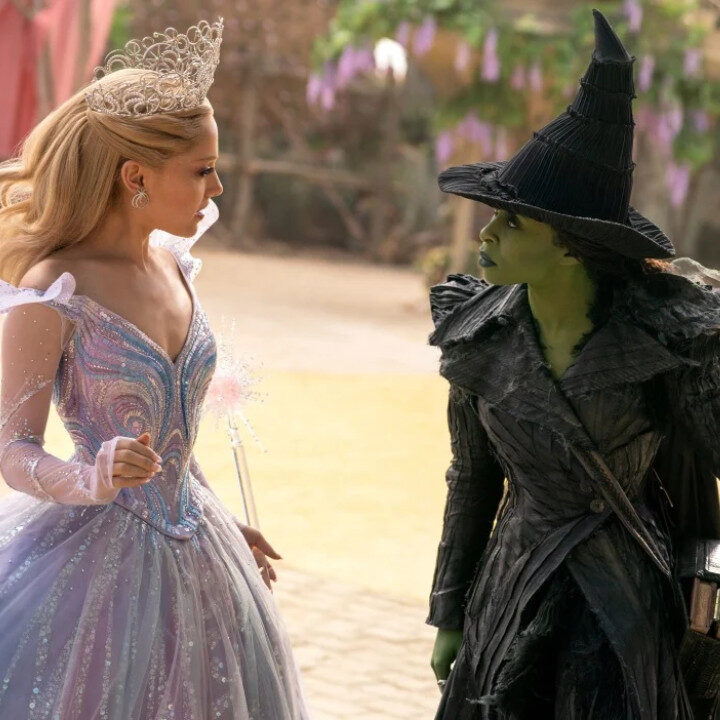
Grande, whose casting caused its fair share of debate, comes into her own here. Glinda is no longer just a hyperactive ‘popular’ girl; she’s a figurehead propping up a system she at first doesn’t fully understand, then slowly does – and doesn’t like what she sees. Grande nails the lightness – the comic timing, the tiny giggles, the little bursts of theatrical sparkle – but stands out in ‘Wicked: For Good’ for what’s the cracking underneath. When she sings ‘I Couldn’t Be Happier,’ you can hear the strain in every lyric, even as she’s surrounded by sparkle.
Erivo, meanwhile, continues to be the emotional centre. Her Elphaba carries the weight of someone who has tried to do the right thing again and again and watched it backfire each time. She evolves constantly throughout this film: fugitive, revolutionary, heartbroken sister, reluctant lover, reluctant icon – yet the script doesn’t always give her as much fresh material as it does for Glinda. However, Erivo fills these gaps on paper with a tough-edged tenderness that keeps Elphaba from ever feeling like just a ‘cause.’
‘Wicked: For Good’ is at its best when Chu stops swirling the camera for a moment and simply lets the two women sing at (and to) each other. Their final duet ‘For Good’ – sung through a half-broken door, with a long-awaited ‘I love you’ exchanged – is as big-feelings, theatre-kid, mascara-streaking risk as it sounds. But if you leave yourself open to earnestness, it lands.
How Much Depth Lies Beneath The Sparkle?
This is where opinion splits. If overt emotion isn’t your thing, ‘Wicked: For Good’ will likely reinforce your reservations. It’s brightly coloured, emotionally direct and not shy about tugging at every heartstring within reach. The political parallels – a leader who rules through illusion, a propaganda machine that turns one woman into the face of evil, a campaign against ‘others’ who once had full rights – are present, but more as broad strokes rather than as tightly argued political commentary. There are gestures toward fascism, media manipulation and scapegoating, but the film is ultimately more interested in feelings than in intellectual rigour.
For many viewers, though, that’s the point. Where some critics see sentiment and neatly wrapped-up endings as weaknesses, fans will probably recognise them as part of the appeal. This film isn’t trying to be a barbed political satire; it’s trying to be a big-hearted, accessible fable about how friendships form you, how power distorts people and how easy it is to turn someone into a villain.
It’s also worth noting that the movie gives more nuance to characters who were previously underwritten. Nessarose’s arc is handled with more care, Glinda is allowed to be both complicit and redeemable, and the origin stories of the Scarecrow and the Tin Man get more room to breathe – even if they’re still side quests in a very full plot.
Where ‘Wicked: For Good’ Falls Short
For all its emotional payoff, ‘Wicked: For Good’ isn’t perfect. There are stretches where the choreography and crowd scenes turn into a bit of an on-screen traffic jam – with so much happening that the central emotion drowns in the movement. The orchestration leans heavily into ‘big Broadway’ mode; yet after a while, some of the musical numbers begin to blur into one wall of sound, especially for anyone not already fluent in the score.
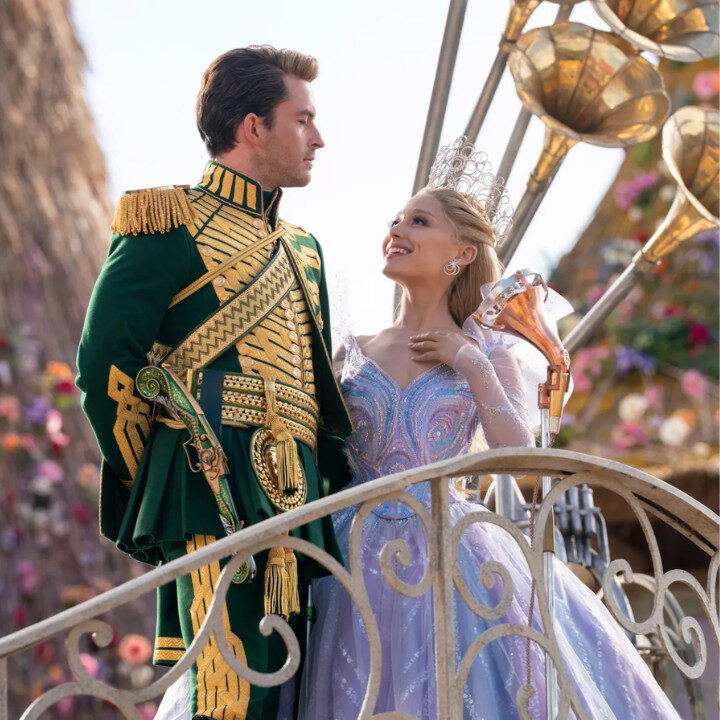
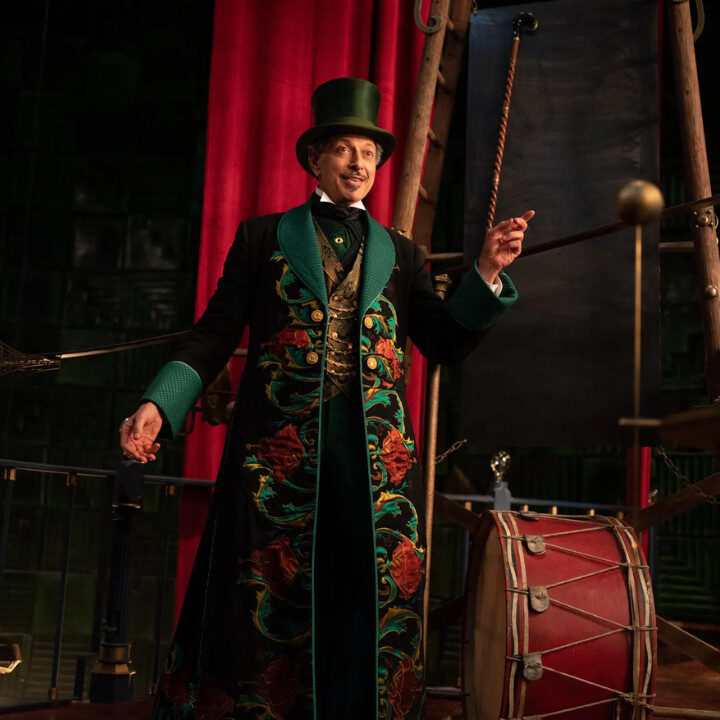
Moreover, not every supporting character lands. Jeff Goldblum’s Wizard is fun but underused; Fiyero, for all of Jonathan Bailey’s charm, sometimes feels more like a device rather than a fully explored person. ‘The Wizard of Oz’ tie-ins – Dorothy glimpsed from behind, callbacks to famous lines – will delight some but feel slightly clunky to others.
And if you were hoping this film would overhaul the source material or send Elphaba down a fundamentally different path, it doesn’t. Her arc still tilts towards sacrifice, towards taking on the role of ‘villain’ so that someone else can be ‘good.’ It’s powerful, but also a little bitter if you read Elphaba, as many do, as a stand-in for any marginalised figure finally done with playing nice.
Final Verdict: Is ‘Wicked: For Good’ Worth Your Time?
If you liked the first film even a little, yes. ‘Wicked: For Good’ is unapologetically itself: glossy, sentimental, occasionally overstuffed and absolutely sincere with what it cares about. It makes the second act of the story feel richer and more emotionally satisfying, gives Ariana Grande room to truly act as well as sing, and firmly establishes Cynthia Erivo’s Elphaba as one of the standout, big-screen musical performances of the decade.
Most importantly, it understands that the real love story at the heart of ‘Wicked’ isn’t between a witch and a prince, but between two women who fundamentally change each other – not neatly, not cleanly, but permanently. The door between them at the end might stay closed, but the film makes a convincing case that both will step through on their own, separately.
If you go in expecting a theatrical, big-feelings fantasy about power, perception and the kind of friendship that rearranges your DNA, you’ll likely walk out humming – and, if you let it, maybe become a bit changed ‘for good’ yourself.

Catherine Pun
A Hong Kong native with Filipino-Chinese roots, Catherine infuses every part of her life with zest, whether she’s belting out karaoke tunes or exploring off-the-beaten-path destinations. Her downtime often includes unwinding with Netflix and indulging in a 10-step skincare routine. As the Editorial Director of Friday Club., Catherine brings her wealth of experience from major publishing houses, where she refined her craft and even authored a book. Her sharp editorial insight makes her a dynamic force, always on the lookout for the next compelling narrative.