
Spoiler Warning: This piece discusses major plot points from ‘The Drama’
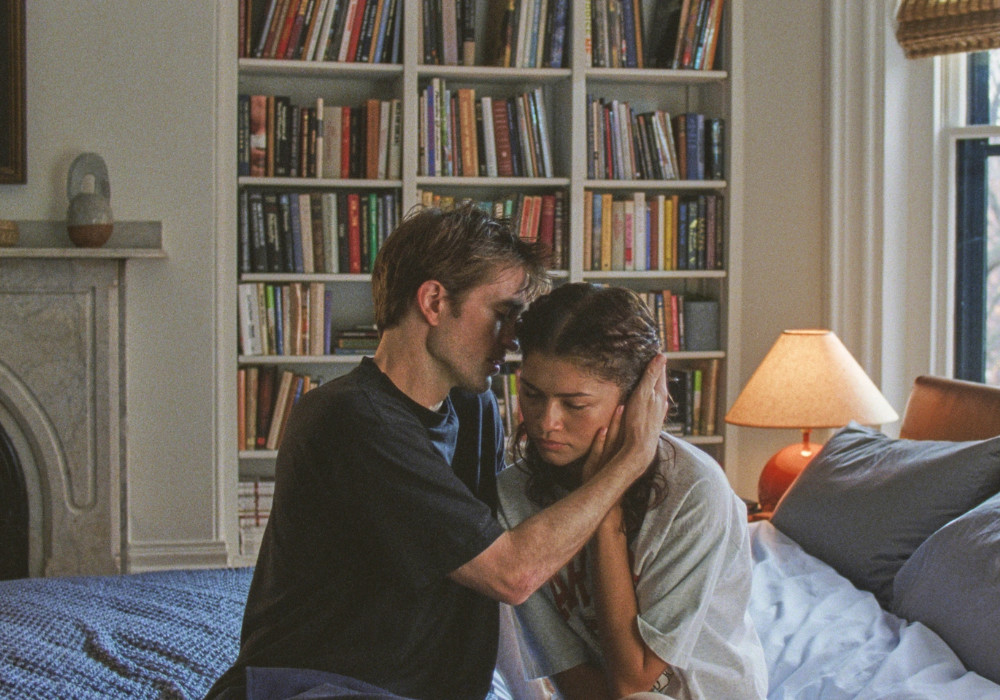
When Charlie discovers Emma’s confession – that she once plotted a school shooting – his world shatters. But what breaks it is not necessarily the truth itself. It is the gap between who he thought Emma was and who she actually is. And this gap, this rupture between perception and reality, raises a question that ‘The Drama’ poses with unsettling force: does a relationship require total transparency to survive? Or does complete honesty sometimes do more harm than good?
This is not a new question. Couples therapists and philosophers have wrestled with it for decades. But ‘The Drama’ weaponises it in a way that forces us to sit with the discomfort. The film refuses to tell us whether Emma and Charlie should stay together, whether transparency was worth it, or whether honesty – in this case – was the right choice.
Read More: Mark Your Calendars! Biggest Upcoming Movies Of 2026 That Are Worth The Hype

The Limits Of Honesty In Modern Love
There’s a pervasive assumption in modern relationships that complete transparency is the gold standard. The logic is intuitive: secrets breed distance, deception festers, and hidden truths will eventually poison everything. Therefore, the more honest you are, the stronger your relationship should be.
However, the problem with total honesty is that it assumes all information carries equal weight, all truths are equally necessary to share, and that withholding anything – even peripheral details from decades ago – is consistently a form of dishonesty that undermines intimacy. This line of thought starts to fray the moment you test it against real life circumstances. Consider the people who maintain strong marriages while keeping their browsing history private, who don’t disclose every critical thought that crosses their minds. Are these people living lies, or are they simply exercising emotional boundaries?
Emma’s confession to Charlie forces him to confront a version of his fiancée he never knew existed. But here’s what makes the film’s treatment so incisive: Emma didn’t actually do anything. She chose not to go through with her plan. Yet Charlie spirals because the possibility of who she could have been shatters his image of her. In other words, Charlie’s crisis lies in the limits of his acceptance when his partner’s honesty challenges his fundamental assumptions about who she is.
What Confession Demands From The Listener
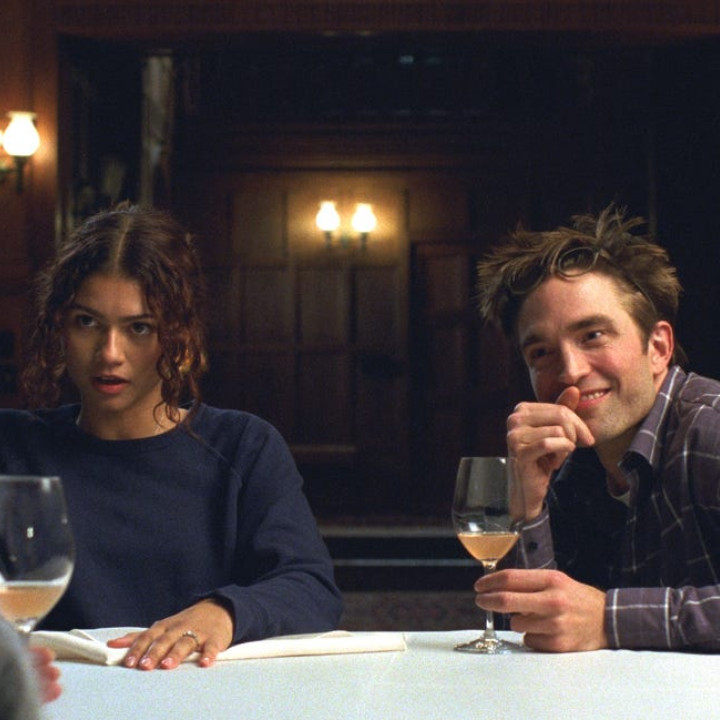
There’s an underexplored dimension to mandatory transparency: the burden it places on the listener. When someone tells you something disturbing, you cannot un-know it. You carry it forward. It shapes how you see them – whether you want it to or not.
Consider Charlie’s friends. Mike and Rachel laugh off their own confessions – cyberbullying, using someone as a human shield, leaving a child locked in a closet deep in the woods. The double standard is unmistakable. They’re granted grace, forgiveness, a collective shrug. But Emma, who didn’t follow through with her worst impulse, is treated as a ticking time bomb. The asymmetry is rooted in how people process information about others, especially when that information contradicts a pre-existing image.
This dynamic reveals something difficult about confession: it often says more about the listener’s prejudices than about the person confessing. Emma becomes a vessel for everyone’s worst-case scenarios, not because of what she did, but because of what others now imagine she could do.
The film suggests, somewhat brutally, that sometimes not knowing certain truths protects everyone involved. Because some knowledge arrives with such monumental baggage – social biases, fear, projection – that it transforms a relationship in ways that weren’t actually necessary for a couple to navigate the real work of building a life together.
What Couples Actually Need To Share
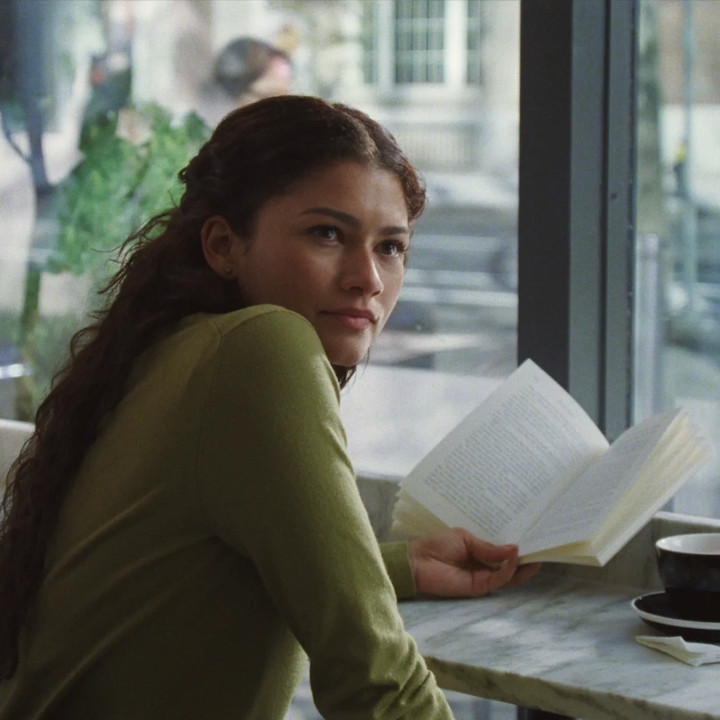
So what should couples be open about? This is where the real nuance lives. If we strip away the romantic veneer of total disclosure, what actually needs to be shared?
Things that directly affect your partner’s future – financial obligations, previous children, ongoing health conditions, infidelity – warrant openness. They shape decisions your partner is making, and without that information, their consent to the relationship is incomplete in a meaningful way. These are the truths that determine whether someone can fully understand the life they are stepping into.
But past actions that do not recur? Thoughts you never acted on? Old fantasies, regrets, or even crimes you have paid for and moved beyond? This territory is murkier. Sharing everything does not necessarily create intimacy. Sometimes it creates narrative burden. You are asking your partner not just to love you, but to love you along with the story you are telling them about your worst moments. That is a heavy lift.
Emma’s past is deeply troubling. The film does not minimise that. But Charlie’s inability to absorb this knowledge into his understanding of who Emma is now – who she has chosen to become, who she is actively being – suggests that total disclosure without the capacity to forgive or contextualise is not really a relationship at all.
When New Knowledge Demands A Choice
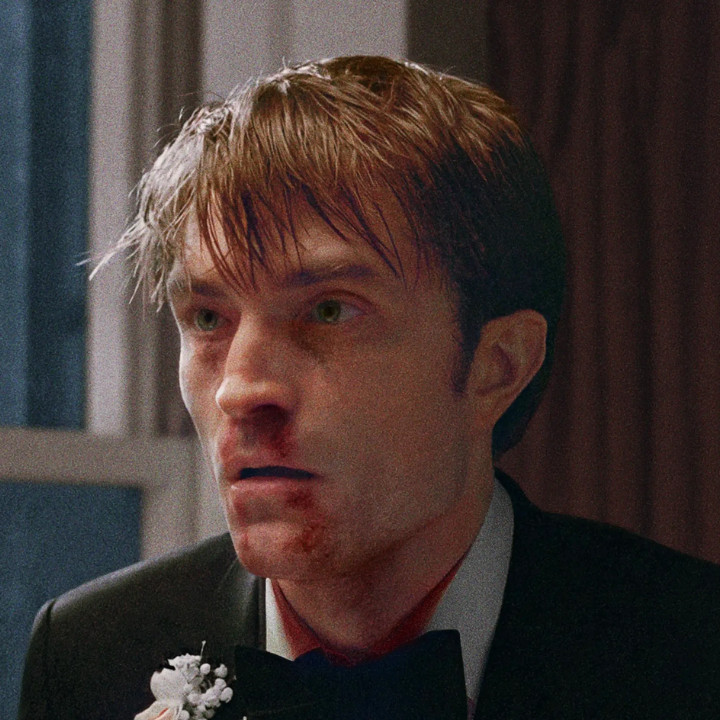
There’s another difficult truth that ‘The Drama’ touches on: the more information you have about your partner, the more choice you feel you have in deciding if you want to stay. This can be liberating. It can also be paralysing.
Before Emma’s confession, Charlie never had to choose if he could accept her dark past because he didn’t know about it. They could just be. But disclosure creates decision points. Each new revelation becomes another moment to evaluate if this person still meets your standards.
In practice, it often means that total openness becomes a test. Emma’s confession doesn’t bring them closer. It doesn’t create the foundation for real trust. Instead, it destabilises everything because Charlie now believes he has the right – the information, the clarity – to make a final judgment about Emma’s worthiness as a partner. And that judgment is filtered through his biases, his fears, and his clouded understanding of who she actually is now.
What if they’d continued without this knowledge? Would the relationship have been built on a lie? Or on the mutual agreement that some parts of ourselves remain private, compartmentalised, no longer central to who we are?

Some Truths Do Not Need To Define A Relationship
We live in an era obsessed with sharing. Mental health culture – valuable as it is in many ways – has created an expectation that all feelings must be externalised and all shadows must be brought into the light. This has helped people who needed permission to speak their truths. It has also created a culture where silence feels like deception and privacy feels like dishonesty.
But humans have always operated with selective transparency. People are not monolithic. We show different selves to different people. It is how we move through a complex world without being entirely overwhelmed by the knowledge that we are all capable of harm – all flawed, all contradictory.
Emma is capable of violence and capable of deep love. She is someone who was bullied to the brink of retaliation and someone who chose not to become a perpetrator herself. These truths coexist. Charlie’s breakdown happens because he cannot hold both truths at once. He cannot reconcile the person he loves with the person she could have been. So he forces a choice: either she is not really the person he thought she was, or she is fundamentally dangerous.
The tragedy of ‘The Drama’ is that it suggests full disclosure is not always the most humane answer. Sometimes a relationship survives not because everything has been exposed, but because not every buried truth needs to become the centre of what two people are trying to build.

Why Love Is Not The Same As Knowing Everything
This doesn’t mean relationships should be built on lies. It means that disclosure without context or compassion can become its own form of cruelty.
A healthier framework might be this: share things that are actively relevant to the relationship, or that your partner has come to deserve through real closeness. Don’t confess for the sake of confession. Don’t use disclosure as a form of emotional catharsis that your partner then has the burden to absorb. Recognise that there is a difference between healthy privacy and destructive secrecy – between knowing your partner has a rich interior life you do not need to catalogue, and being actively deceived about things that matter.
Charlie and Emma’s relationship collapses not because of what is revealed, but because Charlie uses it to retroactively recast the entire relationship. He asks Emma to defend who she was instead of honouring who she has chosen to be. That is the real failure of confession culture: it assumes that revelation creates understanding, when it often just creates more distance and judgment.
What ‘The Drama’ leaves us with, ultimately, is this: the strongest relationships may be between people who trust each other enough to respect silence. The ones who love each other enough to forgive the past – not because love is about knowing everything, but because it is about being seen by someone who accepts that humans are inherently contradictory.
Whether Emma and Charlie make it, the film suggests, depends not on how much they tell each other, but on whether Charlie can choose to love the whole Emma – the woman who chose not to harm, the person who loves him – rather than fixating on the version of her that exists only in his imagination.

Catherine Pun
A Hong Kong native with Filipino-Chinese roots, Catherine infuses every part of her life with zest, whether she’s belting out karaoke tunes or exploring off-the-beaten-path destinations. Her downtime often includes unwinding with Netflix and indulging in a 10-step skincare routine. As the Editorial Director of Friday Club., Catherine brings her wealth of experience from major publishing houses, where she refined her craft and even authored a book. Her sharp editorial insight makes her a dynamic force, always on the lookout for the next compelling narrative.