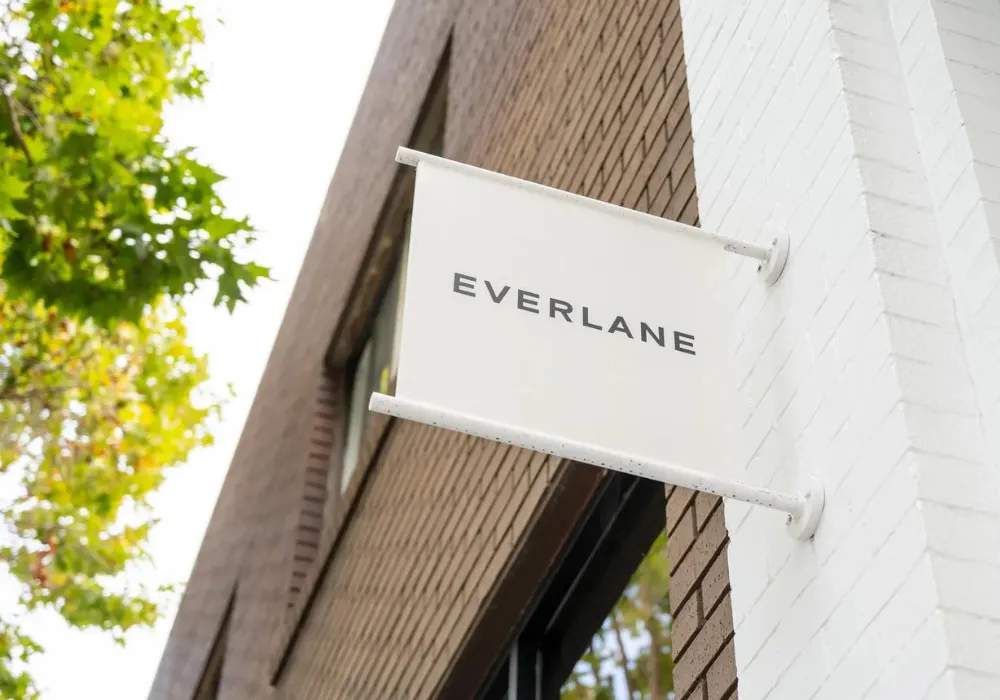

Call it the end of an era or the definitive ‘selling out’ of one, but this much is certain: the fashion world is reeling this week after reports that fast-fashion giant Shein is acquiring Everlane. Once a foundational brand of millennial sustainable fashion, Everlane’s acquisition deal values the San Francisco label at just USD$100 million.
The irony is almost too perfect to ignore. While this proposed deal has ignited predictable outrage across fashion circles, it raises a more consequential question: was ethical fashion ever anything more than a marketing category – and does it still matter to anyone?
Read More: Chinese Fashion Brands You’ll Want On Your Radar Before Everyone Else
From ‘Radical Transparency’ To Fire Sale
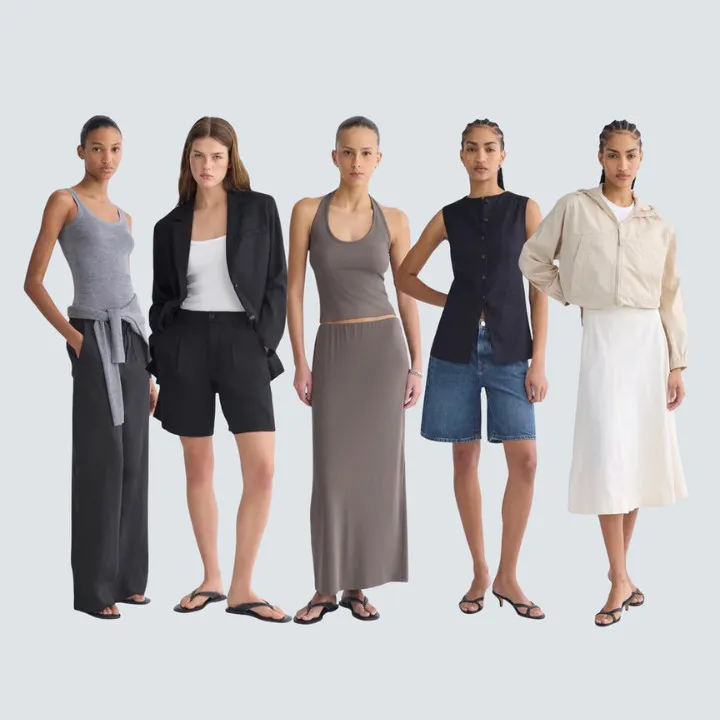
To understand why this deal feels so jarring, you have to understand what Everlane once meant. Founded in San Francisco in 2010, the brand positioned itself as a fashion industry antidote: a direct-to-consumer business that was transparent about production costs.
Everlane wasn’t just in the business of fashion – it trademarked the phrase ‘radical transparency’ and cultivated an ardent following rooted in the promise that shopping there meant opting out of fashion’s exploitative machine. Once valued at over USD$250 million, Everlane earned a devoted clientele – particularly amongst urban millennials – who believed that where you shopped was also a statement of values.
However, the cracks behind the once mighty brand started showing long before this week’s headlines. As early as 2020, watchdogs were flagging Everlane’s sustainability claims as ‘greenwashing.’ While the brand had been publishing aesthetically pleasing photos, little was actually disclosed about worker conditions, wages, or carbon emissions. It seemed that the brand which had shaped its entire identity on honesty was, in fact, not being fully honest.
As founder Michael Preysman stepped back by 2021, the subsequent attempt to pivot Everlane into a ‘clean luxury’ brand stalled. By the time majority owner L Catterton began seeking a buyer, the brand was carrying roughly USD$90 million in debt. The board’s search ended with Shein – a choice that speaks volumes about how far the brand has fallen.
Survival in Name Only
The financial logic is clear enough: Everlane is drowning, and Shein is offering a lifeline. This acquisition would keep the brand technically alive – but at what cost? Shein is arguably the most ideologically opposed company to everything Everlane once claimed to stand for: an ultra-fast fashion platform that has already faced hefty fines for greenwashing campaigns and intense scrutiny over troubling labour conditions.
At USD$100 million – barely exceeding Everlane’s reported outstanding debt – the price tag itself tells the story. The number is far below what the brand commanded at its height, positioning this as a desperate clearance rather than a strategic acquisition. And for the consumers who paid a premium specifically to participate in something that felt morally corrective? What remains is a brand name in a body that’s been hollowed out. At that point, is there anything left of Everlane that’s actually worth surviving?

Can ‘Ethical Fashion’ Exist?
The Everlane-Shein story is a broader indictment of how the 2010s sold ethical consumerism as a substitute for structural change – and what it actually accomplished. The idea that you could put your values into your dollars by buying the right basics from the right brand was always more comfortable than it was transformative.
And now that the brand most synonymous with that promise has been absorbed by its ideological opposite? The idea that ‘there’s no ethical consumption under capitalism’ moves from abstract critique into lived reality. The seductive promise that individual purchasing choices could function as activism was always a little too convenient – for the brands swearing by it, at least.
The reason Everlane is being sold to Shein isn’t, at its core, because consumers stopped caring about ethics. It’s because the premium that ‘ethical’ infrastructure commands at scale proved unsustainable – harder and more expensive to honour than a website price sticker made it appear. In a world of rising costs, inflation, and the dominance of ultra-cheap, lightning-fast platforms, even a brand with genuine credentials couldn’t make the math work.
So what comes next? Does ‘sustainable’ simply become a marketing word divorced from meaning? If Everlane couldn’t make transparency financially viable, the real question isn’t whether the brand survives Shein’s ownership. It’s whether the model itself was ever designed to survive. As Everlane’s fate hangs in the balance, what its once loyal customers confront is an uncomfortable truth: the era they were shopping for is – both financially and philosophically – already over.

Born in Korea and raised in Hong Kong, Min Ji has combined her degree in anthropology and creative writing with her passion for going on unsolicited tangents as an editor at Friday Club. In between watching an endless amount of movies, she enjoys trying new cocktails and pastas while occasionally snapping a few pictures.