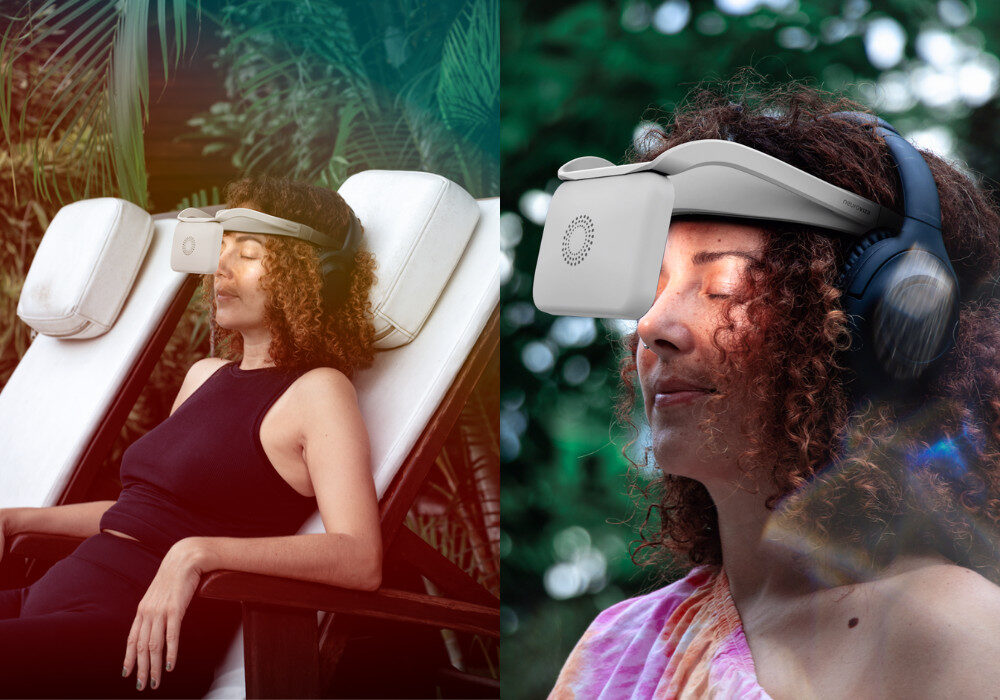
NeuroVIZR is a light-and-sound headset developed in Chiang Mai that feels a little like sci-fi brought to life – promising better focus, deeper sleep and calmer moods, all with your eyes closed. It’s a big claim, so we set out to see what’s really behind the hype.
The real question: is it actually worth inviting a pulsing light-and-sound device into your self-care routine? Our team lived with NeuroVIZR for several weeks – here’s what we noticed.
Read More: Feeling Stuck? The Best Life Coaches In Hong Kong Can Help You Break Through
First Impressions
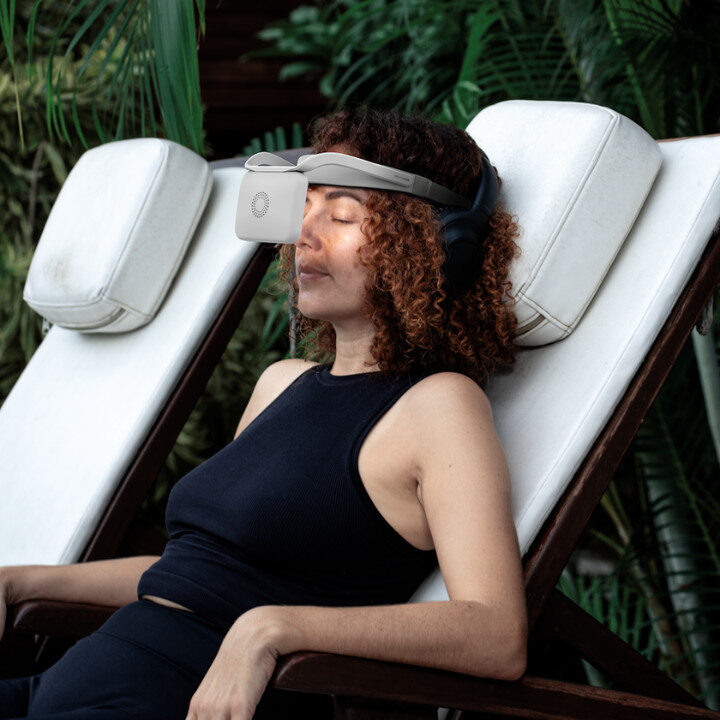
When NeuroVIZR first landed at the office, there was a fair amount of scepticism. On the surface, it’s a 110g lightbox with nine LEDs, paired with an app organised into programmes like Better Sleep, Neuro-Athletics and Habit Rewiring, backed by language about brain engagement and cognitive sovereignty. It sounded equal parts intriguing and intense. Experiencing it, however, felt very different from reading the marketing copy.
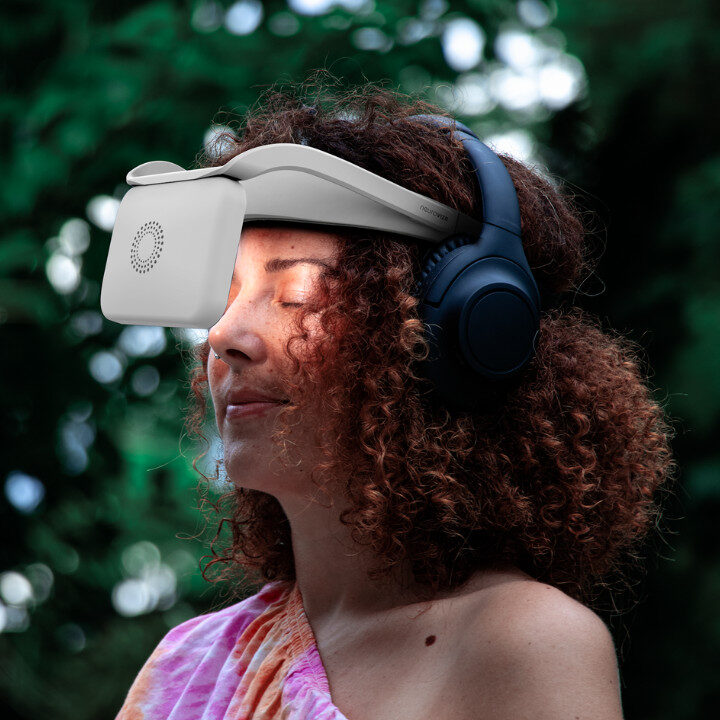
The process is straightforward: you slip on the ergonomic headband, which positions the device at the right distance from your eyes, open the app on your phone, and choose what you want to work on – sleep, stress management, focus, creativity, self-exploration and more. Then you close your eyes, press play, and let the flickering light and layered soundscapes run for 10 to 20 minutes.
Behind closed eyelids, the flicker becomes shifting patterns, colours and shapes, synced with ambient audio or rhythmic pulses. It’s somewhere between a meditation session and an abstract light show – without the constant voiceover many mindfulness apps rely on.
So What Is It Actually Doing?
Put simply, NeuroVIZR uses Variable Stroboscopic Stimulation (VSS) – carefully timed patterns of flickering light – combined with sound to guide the brain into different states. The aim isn’t to zone you out, but to keep your brain engaged, gently interrupting rigid patterns and encouraging more flexible activity.
Each session moves through phases: a settling-in period, more unusual light and sound patterns to shift your state, a phase that holds and strengthens that new state, brief changes that prevent drifting into autopilot, and finally a softer sequence that brings you back to baseline.
Conceptually, it draws from neuroscience, light-based interventions and meditation research. In practice, it feels like a structured mental reset – somewhere between breathwork, deep rest and a guided inner experience.
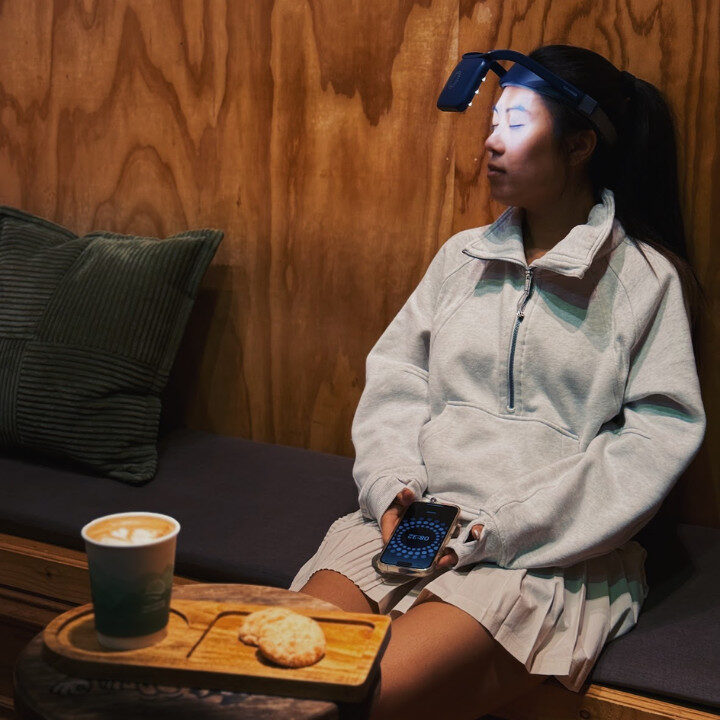
How We Used It: Sleep, Stress And Focus
We had different members of the team try NeuroVIZR with specific goals in mind. One focused on Better Sleep sessions in the evenings. Another leaned on Manage Stress and Regulate Mood during intense deadline weeks. A third used Focus, Brain Gym and Self-Exploration as a kind of mental warm-up before demanding work.
Sleep & Winding Down
The sleep sessions are structured around different times of day: brighter options for the morning, steadier daytime tracks aimed at diffusing stress, and softer evening programmes to ease you towards rest.
No one fell asleep instantly, but over time a pattern emerged. Playing NeuroVIZR in the evening became a cue that the day was over, often replacing the usual late-night scroll. There was an easier transition into ‘sleep mode’ and less of that wired, midnight restlessness after a week or two of consistent use. It doesn’t behave like a sedative; it’s closer to a sensory dimmer switch that helps the brain shift gears.
Stress & Mood
This is where NeuroVIZR started to win people over. The Manage Stress and Regulate Mood tracks occupy your attention with light and sound in a way that makes it harder for familiar thought loops – work worries, inbox anxiety, general mental noise – to dominate.
After sessions, the person using these tracks often reported a noticeable mental exhale: the same problems were still there, but felt a few notches quieter. They described feeling slightly less reactive, as if there was a fraction more space before snapping or spiralling. Whether that comes from genuine shifts in brain activity or just from carving out 15 minutes to properly switch off, the effect afterwards was clearly noticeable – and very welcome.
Focus & Performance
The Focus, Brain Gym and Neuro-Athletics sessions are designed to prime the brain before cognitively or physically demanding tasks.
For the team member who gravitated toward these tracks, they became a pre-work ritual: used in the morning before deep-focus blocks and sometimes before interviews or complex writing. The effect wasn’t a caffeinated buzz. It felt more like someone had tidied up the mental desktop – the tasks were still there, but settling into concentration was smoother, with less drifting before actually starting.
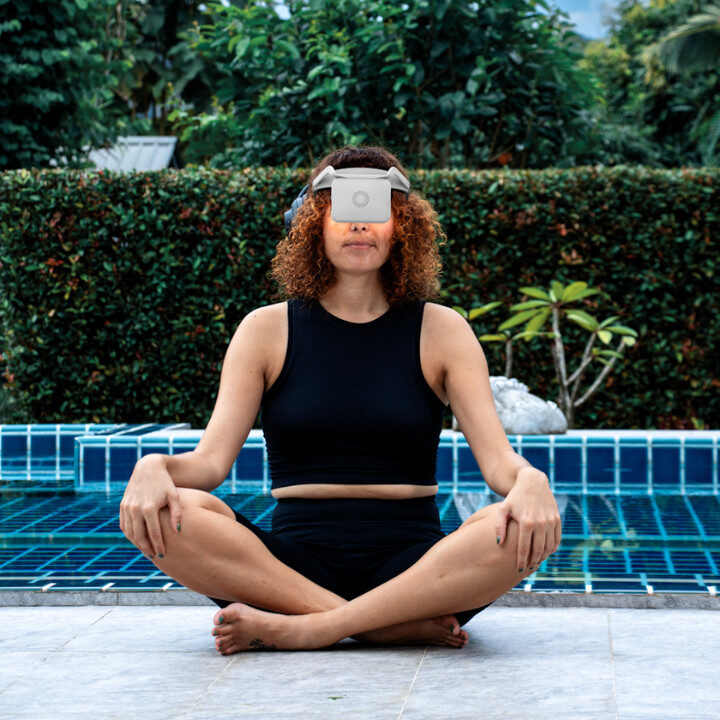
The Meditation Angle: For Brains That Don’t Like Sitting Still
If traditional meditation tends to make you restless, this is where NeuroVIZR becomes unexpectedly appealing.
The Meditation and Self-Exploration programmes draw on approaches like Vipassana, Zen and Tibetan practices, translated into light-and-sound sessions. There’s no guiding voice, no long visualisations – just structured sensory input that gives your attention something clear to follow.
In practice, it became easier to stay in one place for 15-20 minutes. The mind still wandered, but the shifting visuals and soundscapes had a way of drawing it back without much effort. Afterwards, there was that familiar post-meditation softness and clarity, without having to sit through instructions that didn’t quite land.
It isn’t a replacement for a dedicated meditation practice if you already have one, but it’s a surprisingly approachable way to add contemplative time into the day.
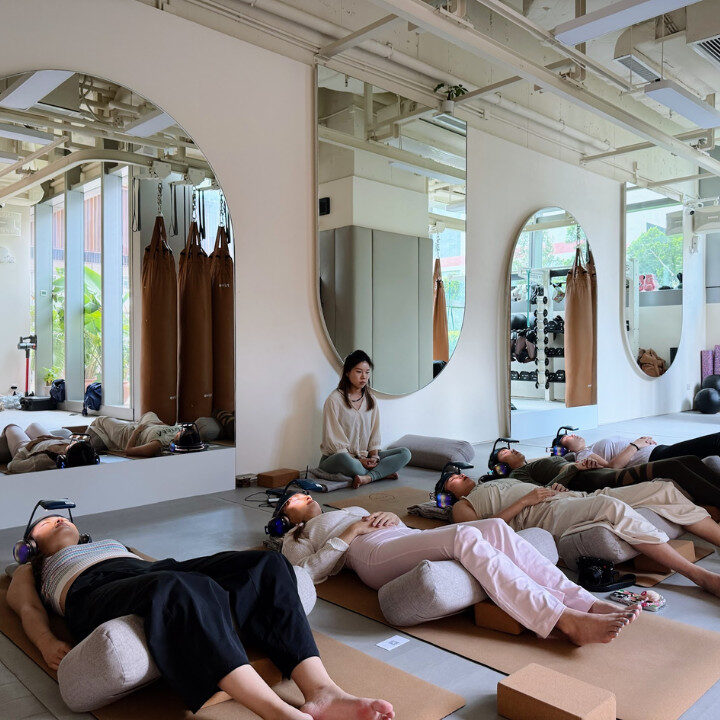
The Catch? It’s Not Magic – And It’s Not A Medical Device
NeuroVIZR is clear about what it isn’t. It’s not a medical device, not a replacement for therapy nor professional care, and not hypnosis nor subliminal mind control.
If you’re dealing with significant mental health concerns, something like this should sit alongside proper care – not take its place. And if you have a history of photosensitive epilepsy or strong reactions to flickering light, it’s important to avoid this kind of stimulation or speak to a doctor first.
There’s also the obvious reminder: you still need sleep, boundaries, decent food and a life that isn’t running on constant cortisol. NeuroVIZR won’t fix a chronically burnt-out lifestyle. What it can offer is a convenient, almost plug-and-play way to build small pockets of rest, focus and reflection into an already crowded day.
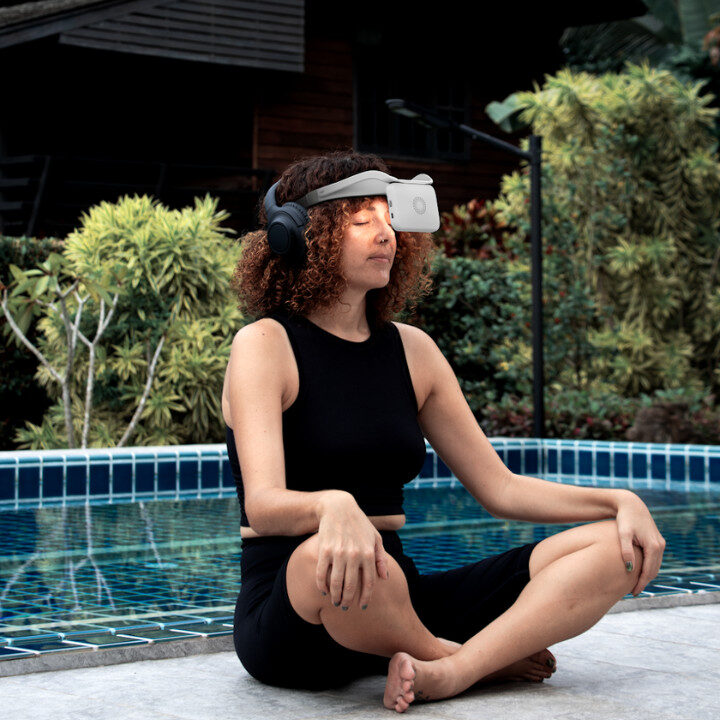
So… Is It Worth It?
For our team, the answer landed at a cautious but genuine yes – as long as you go in with realistic expectations.
What worked best was the structure it gave to switching off: putting on the headset, closing your eyes and handing over the next 15-20 minutes to a pre-set session. The range of programmes – from calming and grounding to more energising or abstract – meant people could use it both on frazzled days and on mornings when they wanted a clearer start. During hectic weeks, several of us noticed a tangible reduction in mental noise and a softer, more settled mood afterwards. For those who usually find meditation difficult, the light-and-sound format made that kind of practice feel more accessible.
It’s equally important to say what it doesn’t do: it won’t sort out your life, resolve deep-rooted issues or replace a therapist. It’s a tool, not a cure-all – and it works best alongside the basics: sleep, boundaries and proper support when you need it.
If the idea of a science-informed, high-tech way to build small pockets of rest, focus and reflection into your day appeals to you – and you’re willing to use it consistently – NeuroVIZR stands out as one of the more interesting wellness devices we’ve tested.
In the end, its value is disarmingly simple: it carves out protected time to pause, to tune in rather than scroll away, and to treat your mind as something worth tending to deliberately. In a world that constantly competes for your attention, that alone feels significant.

Friday Club. is where every day feels like Friday. We spark conversations that are both trendy and thought-provoking, exploring topics that truly matter while staying true to ourselves. We’re all about honesty, tackling tough subjects head-on, yet we never forget to embrace the fun life has to offer.