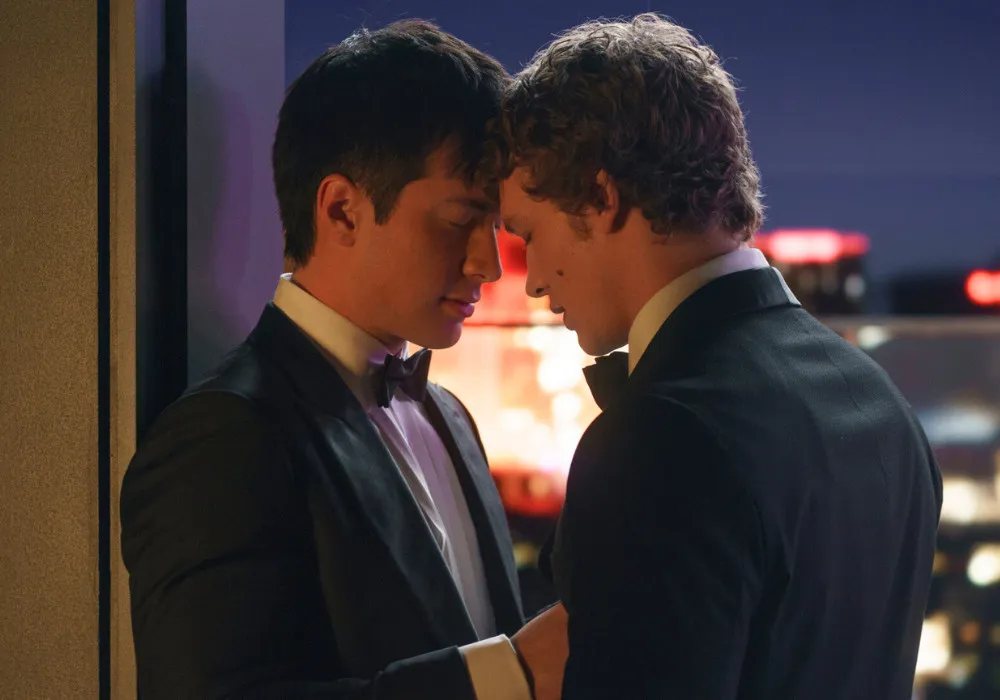

When ‘Heated Rivalry’ first debuted, few could’ve guessed that a modestly budgeted Canadian project would become a full-blown global phenomenon that most major studios spend millions trying – and failing – to manufacture. Conceived and written by Canadian creators before being picked up by HBO Max, the six-part series has since become the streaming service’s biggest smash since ‘Euphoria.’ Its leads have gone from indie obscurity to talk show couches and magazine covers, while the show itself has become a full-blown cultural event.
Everyone – from your co-worker to Pedro Pascal and Ayo Edebiri – is talking about it. In the process, ‘Heated Rivalry’ has ignited deeper conversations about female desire, fandom, and the cultural media appetite for mlm (male-male love) stories – positioning it as one of the most fascinating success stories in modern television.
Read More: Ready, Set, Binge! When & Where To Watch The Biggest Upcoming TV Shows In 2026
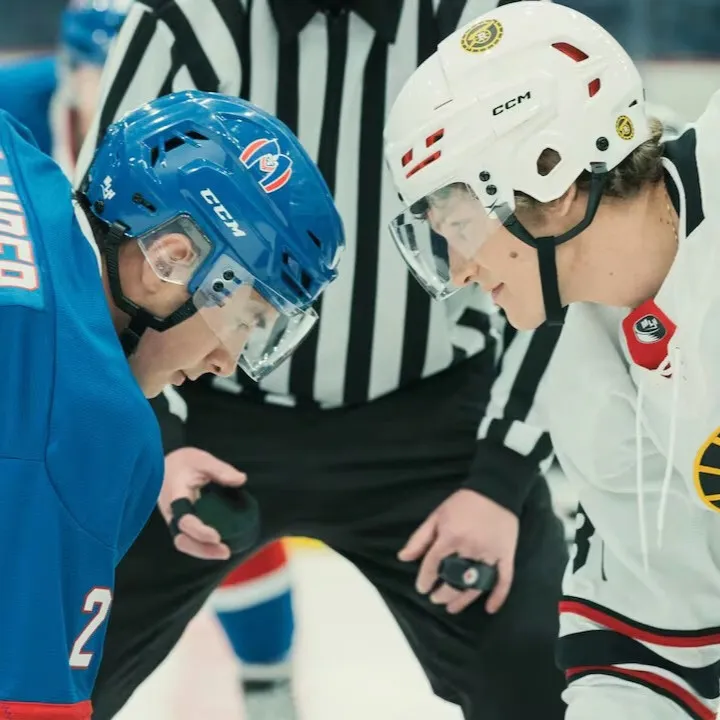
Hockey Romance Turned Global Sensation
Fundamentally, ‘Heated Rivalry’ is a blistering, slow-burn love story between two professional hockey players, Shane Hollander (Hudson Williams) and Ilya Rozanov (Connor Storrie), who begin as fierce competitors before finding themselves caught in something messier – and far more intimate – off the ice.
The story’s structure – particularly its first episode – isn’t for the traditional TV purist, because let’s be real: that first episode? It’s rough. The pacing is chaotic – title card, sequence, title card, sequence – and there’s barely enough air between scenes to understand where one moment ends and another begins. It’s stylised, sure, but almost too stylised. Those expecting clean storytelling will spend the first 45 minutes wondering whether an actual editor was part of the budget.
But the chaos, as it turns out, is part of the appeal. The show is structured almost like a highlights reel of longing: emotionally charged, visually intoxicating, occasionally incoherent – but impossible to look away from. As the series moves into its later episodes – especially five and six – it settles into something truly compelling. Gone is the choppy hyper-editing; Suddenly, there are proper arcs, breathing space, and genuinely good television. The final episodes feel fully inhabited and emotionally textured, unpacking real intensity rather than just skating from one lust-fuelled montage to another. This is a series designed for today’s viewers. It’s slick, sexy, and easy to get lost in.
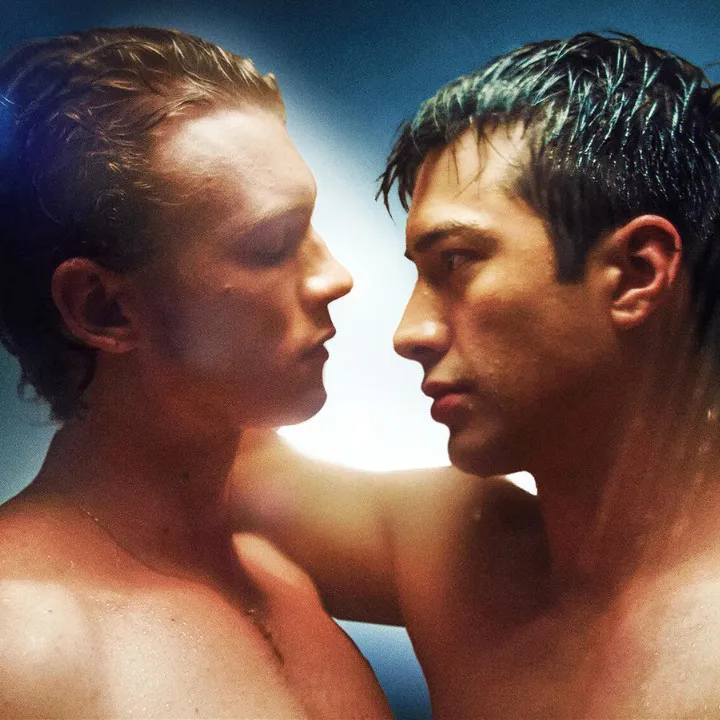
Storytelling For A ‘TikTok Generation’?
While the series speaks directly to queer and female audiences, it’s also a perfect encapsulation of media made for the so-called ‘TikTok generation.’ Heated Rivalry’ is not prestige television; it’s purpose-built emotional television. Its aesthetic and pacing allow viewers to devote themselves wholly to the fantasy – surrendering to the story without overanalysing every beat. Its flow mirrors the way people now consume media: bursts of beauty, longing, and chaos that feel addictive rather than exhausting. That isn’t a dig – it’s the reason why people are able to sink into the story so easily. The iconic needle drop of ‘All The Things She Said’ by t.A.T.u? Practically pre-destined to appear in the background of every video in your algorithm.
As someone who believes we should evaluate art for what it is, not what we think it should be, approaching this series the way you would ‘Chernobyl’ is just missing the assignment. It’s trying to make you feel. The storytelling choices – especially early on – trade logic for sensations, coherence for heartbeat. Style and sweat over symmetry. By the finale, when we’re deep in character turmoil and emotional truth, all these choice starts to make sense – and more than pays off for viewers.
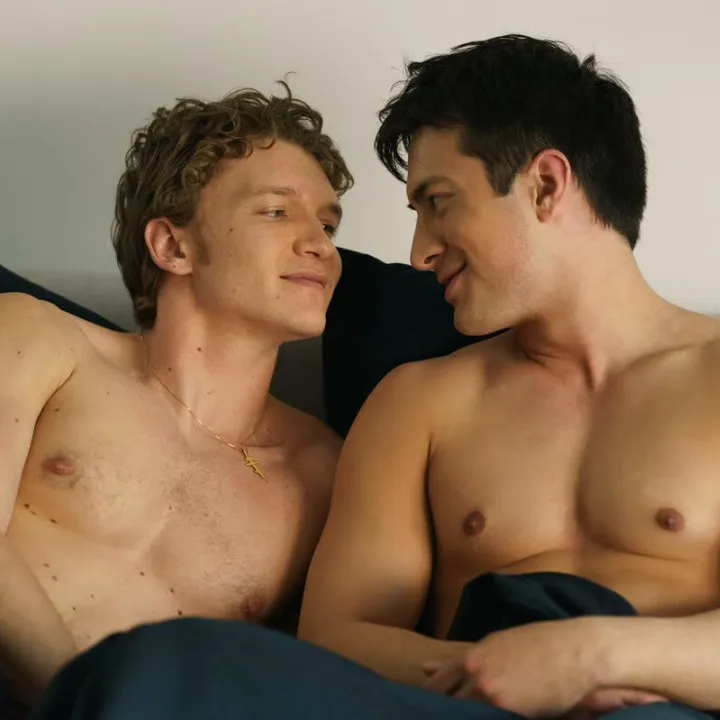
Female Desire, Reframed
Executives might be stunned by the fervour surrounding ‘Heated Rivalry,’ but really, the signs were all there. ‘Heartstopper’ showed how women eagerly embraced mlm love stories, and ‘The Hunting Wives’ proved they’re equally hungry for television that lets its characters actually have sex. Combine these trends, and ‘Heated Rivalry’s’ rise feels almost inevitable.
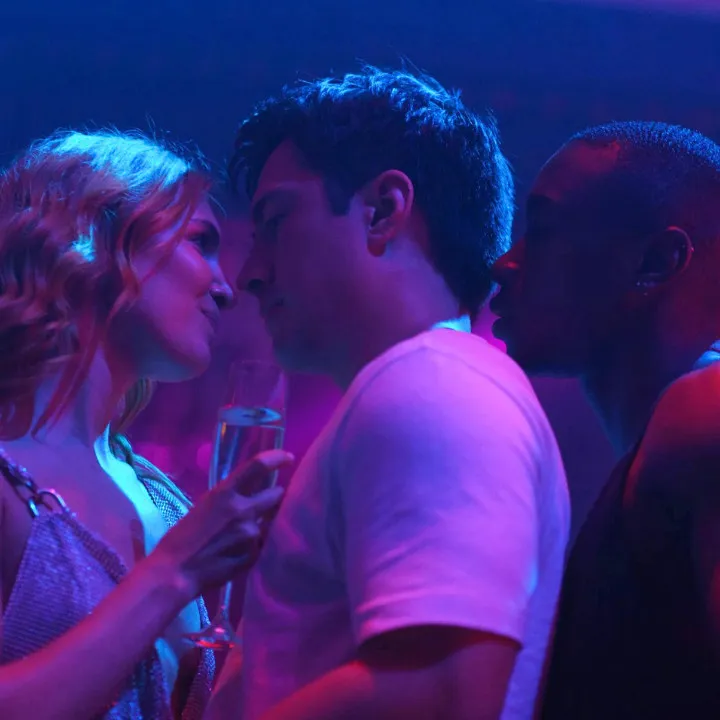
The key demographic of ‘Heated Rivalry’ has captured plenty of fascination. The fandom is massive but, interestingly, largely female. Queer, straight, trans, single, married – so many women from all walks of life have found something deeply compelling in watching Shane and Ilya (as well as Scott and Kip) navigate desire, vulnerability, and affection. Many women have spoken about loving it precisely because they don’t see themselves in it. It’s an intriguing blend of empathy, escapism, and fantasy that reveals how women’s desires and interests have been oversimplified or misunderstood by mainstream media. In its success, ‘Heated Rivalry’ has become a lightning rod for long-overdue conversations about women’s desire.
They’re not watching to project themselves into the fantasy or imagining being part of the love story. As the spiritual descendents of the ‘fujoshi’ lineage – female fanbases that have been writing, drawing, and celebrating mlm stories for decades – these viewers are content to watch from the sidelines, proud ally-style, whispering ‘good for them.’ That voyeuristic-yet-supportive dynamic even mirrors the women in the show itself. Within ‘Heated Rivalry,’ most female characters effectively embody these same roles – the ‘girl best friend’ or the ‘understanding beard’ watching these men’s emotional chaos from the periphery. Whether consciously or not, the show doubles its audience’s experience: women in the series and women watching it are both observers, facilitators, and emotional witnesses, positioned just outside the fire but feeling (and basking in) all its heat.
A Safer Space To Desire
The wild success of ‘Heated Rivalry’ has opened new discussions about the gap between sexual identity and sexual fantasy. In a cultural landscape where women’s sexual preferences are constantly politicised, the show has given them space to explore interest and attraction without judgment. Even queer women have expressed their love for the series – describing how it’s refreshing to enjoy a love story untouched by the real-world baggage, trauma, and power imbalances that often haunt portrayals of women’s sexuality.
‘Heated Rivalry’s’ distance from women’s bodies and desires paradoxically makes it feel safer for women to consume. For queer and straight women alike, this distance is part of the appeal. It’s a bittersweet dynamic: women finding emotional refuge in a story that doesn’t feature them, because it’s free of the societal weight that so often distorts their own narratives. When it’s just Shane and Ilya – especially in the steamier sequences – the intimacy feels purer, safer, more equal, and easier to get completely sucked into.
When Archetypes Start To Crack
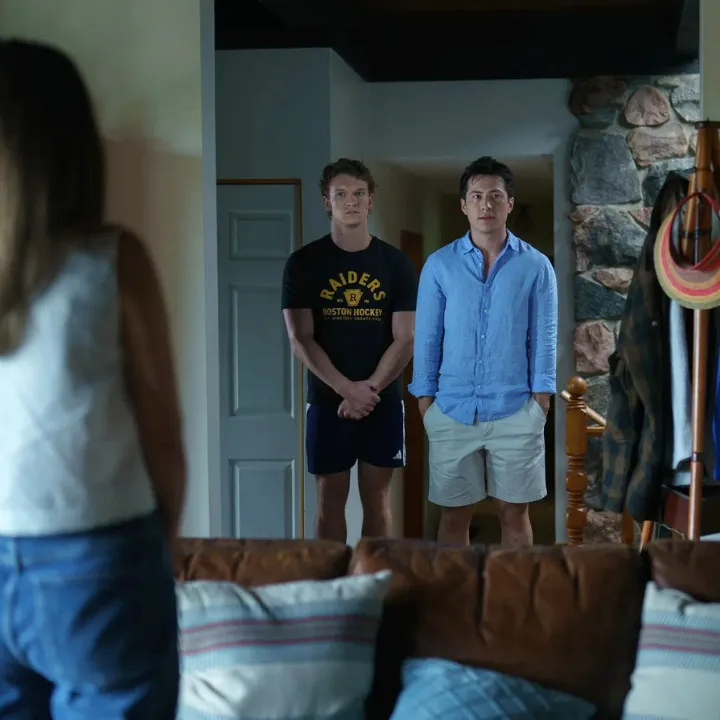
One of ‘Heated Rivalry’s’ smartest moves is how it reframes masculinity in queer storytelling. Early episodes establish a dynamic that feels familiar: Ilya as the cocky, experienced Russian; Shane as the shy, innocent Asian-Canadian. But by midseason, those archetypes are upended as we delve more into the world of sports, hockey, and locker rooms. By embracing the more masculine aesthetics of its universe, ‘Heated Rivalry’ manages to challenge the rigidity that often comes with it.
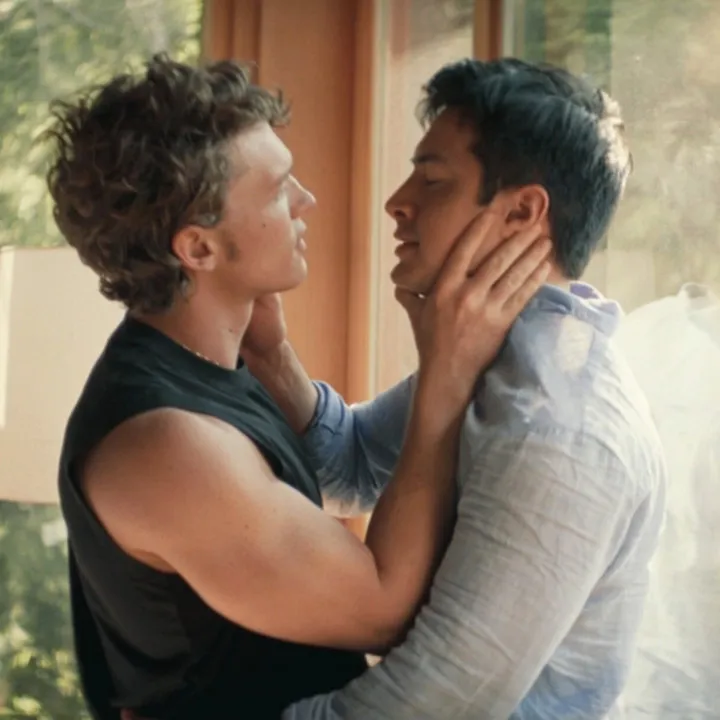
In doing so, ‘Heated Rivalry’ upends numerous coded expectations around queer masculinity. Its physical setting – a hockey world built on aggression and brashness – makes moments of earnestness hit harder. Every bruise, every whispered Russian ‘I love you,’ becomes a rebellion. The dynamic between Ilya and Shane begins to flip familiar power roles as well: self-assurance becomes unmoored, hesitance grows assertive. The typical top/bottom social dichotomy – so often mapped along heteronormative ‘masculine’ versus ‘feminine’ lines – crumbles entirely. Both men are dominant and submissive, proud and insecure, protectors and the protected.
The Slow Build That Made It Explode
In a world of whole-season drops, the ‘traditional’ week-by-week release formula did wonders for ‘Heated Rivalry’s’ trajectory – letting word-of-mouth build and audience anticipation snowball. Each new episode ignited social media discourse and fan edits aplenty, amplifying the chemistry between its leads and deepening the conversation around its themes. ‘Heated Rivalry’ isn’t trying to be ‘Breaking Bad’. It doesn’t need to. What it is – intimate, messy, sincere, and unabashedly horny – is exactly why it works. It gets under your skin because it’s not trying to be clever – it’s trying to connect. The show’s stars have even shared how real closeted athletes have reached out after its release, with one even coming out publicly because of it.
In a world that sometimes seems allergic to sincerity, ‘Heated Rivalry’ lets its fans love the show loudly, shamelessly, and with their whole hearts. And who doesn’t love that? For all the think-pieces, hashtags, and debate around what makes this show so irresistible, maybe the answer is simpler than we think: audiences still want to watch beautiful people fall in love, mess it up, and yes, have sex, with honesty and tenderness. ‘Heated Rivalry’ understands that – and milks it for all it’s worth.

Born in Korea and raised in Hong Kong, Min Ji has combined her degree in anthropology and creative writing with her passion for going on unsolicited tangents as an editor at Friday Club. In between watching an endless amount of movies, she enjoys trying new cocktails and pastas while occasionally snapping a few pictures.