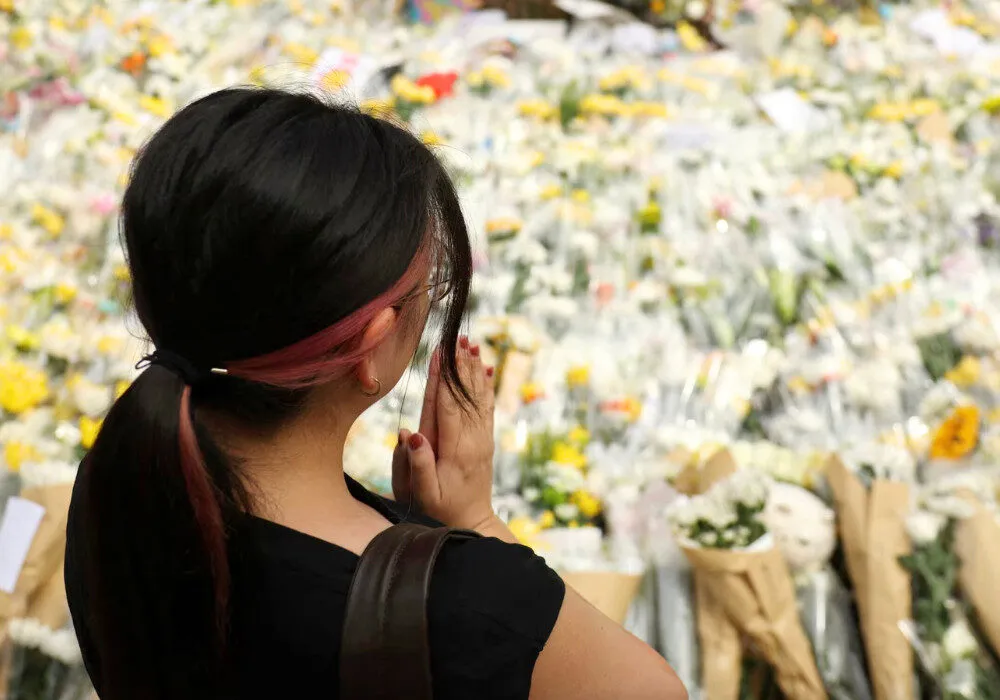

In the deadliest fire Hong Kong has seen in more than 70 years, seven towers of Wang Fuk Court in Tai Po were engulfed in a five-alarm blaze on 26 November, taking more than 150 lives and injuring many others. Among those who died were firefighter Ho Wai-ho, who entered the burning high-rises with his crew and never came home, and migrant domestic workers who were part of the families and households they supported every day. At Friday Club., we pay tribute to their courage and to the often invisible labour, love, and sacrifice that sustained countless lives and communities long before the flames appeared.
Read More: Together For Tai Po – Resources, Hotlines And Ways To Help
A Firefighter’s Final Call
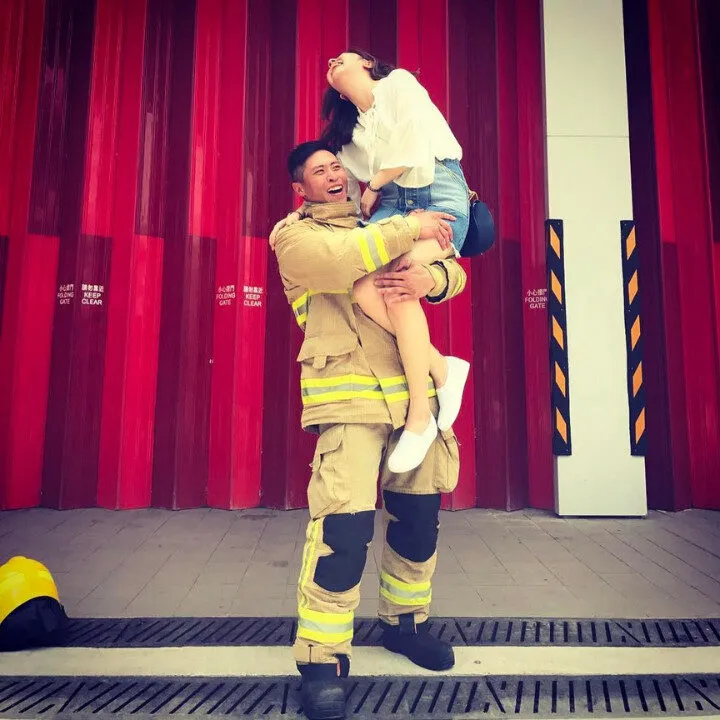
When the No. 5 alarm was raised in Tai Po, 37-year-old Ho Wai-ho and his fellow firefighters from Sha Tin Fire Station made their way into thick smoke, dark stairwells, and dangerous heat to search for residents trapped inside. Somewhere in that chaos, he was critically injured in the line of duty and did not make it home. In the hours that followed, his name moved quickly across the city – not as a number in a headline, but as the face of courage in a tragedy that shook Hong Kong.
In the aftermath, Ho’s girlfriend of 10 years spoke publicly about the man she had expected to marry, calling him her ‘superhero’ – gentle and thoughtful in private life, even as he faced risk at work. Her words made clear that behind the uniform was someone with everyday joys and worries, a wedding to prepare, and a future to build. For his family, fiancée, friends, and colleagues, official honours sit alongside a grief: the loss of a son, a partner, a brother, and someone they imagined growing old with.
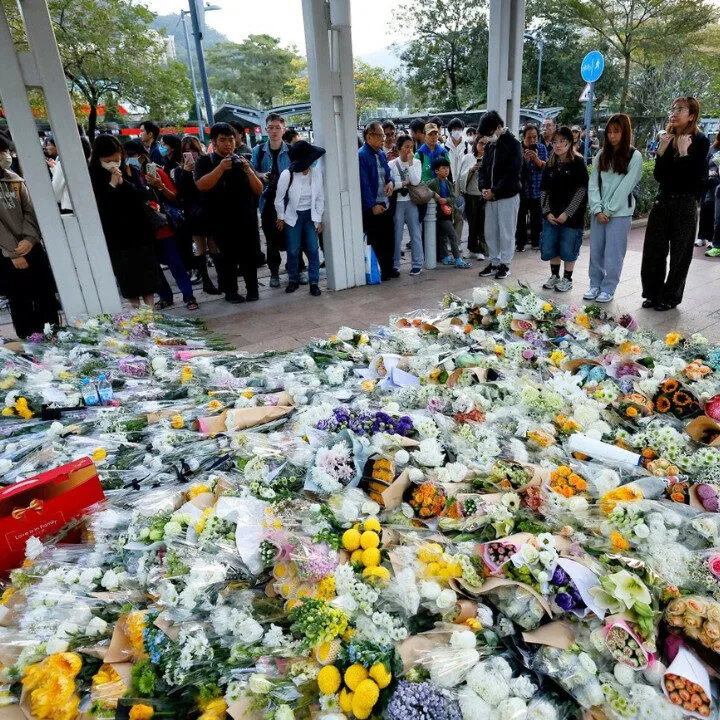
In the days following the blaze, people have gathered outside Sha Tin Fire Station and near the site of the fire, leaving flowers, cards, and handwritten notes of thanks. Colleagues have remembered Ho as calm, reliable, and dedicated – the kind of firefighter who took on difficult tasks. His final call is now part of Hong Kong’s shared memory: a reminder of the everyday bravery of those who step forward when the rest of us are told to step back.
Migrant Domestic Helpers: The Backbone Of Hong Kong
From the chaos, more stories of courage have emerged – and with them, a clearer picture of how deeply Hong Kong relies on the migrant domestic workers who lived and worked in Wang Fuk Court, cooking, cleaning and caring for children and elderly residents. Hundreds of Indonesian and Filipina women were employed in the estate, and consular authorities have since confirmed that at least 10 migrant domestic workers were among the dead – nine Indonesian and one Filipina – including Indonesians Sri Wahyuni, Siti Khotimah and Ernawati, and Filipina worker Maryan Pascual Esteban.
Amid the smoke and panic, many of these women became first responders in the most intimate sense. Indonesian media report that Ernawati was found still holding the baby she cared for, believed to have shielded the child with her own body. Filipina worker Rhodora Alcaraz Tuñacao – who had only just arrived in Hong Kong – carried a three-month-old through choking smoke to safety and is now recovering after being critically injured. Others, like Filipina worker Reinalyn Niere, rushed the children in their care out of burning flats and down darkened stairwells, acting with the same instinctive care they showed in daily life, only this time under unimaginable pressure.
These women crossed borders to support families back home – paying for school fees, medical care and daily necessities – while sustaining households here. In this tragedy, their role has been impossible to ignore: they were inside the homes as the first line of care, making split-second decisions with the lives of children, employers and themselves at stake.
Remembering The People, Not The Numbers
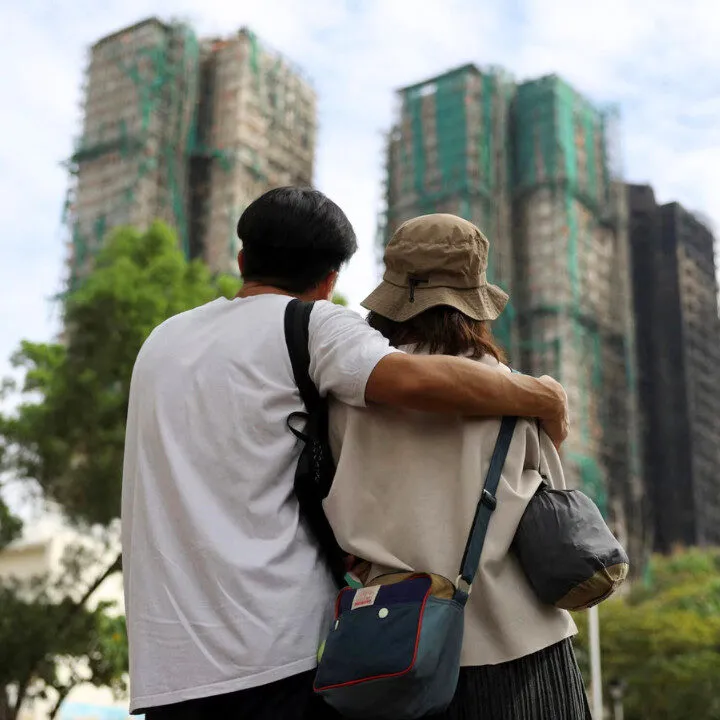
Grief has rippled through Hong Kong’s communities, bringing vigils, urgent searches for information, and round-the-clock support from NGOs and volunteers. For many migrant domestic workers who survived the Wang Fuk Court fire, the emotional shock now sits alongside practical worries – including the pressure to secure new employment in order to remain in Hong Kong. In recognition of these exceptional circumstances, the Labour Department has said it will handle affected cases with greater flexibility, alongside wider post-fire support measures from the government and charities.
In official records, the Tai Po fire will inevitably be remembered in numbers – the alarm level, the fatalities, the households displaced. But for Hong Kong, it is already a story of people: a firefighter who never made it to his wedding; migrant workers who should never have had to risk their lives in the homes where they worked; families whose ordinary evening turned into unimaginable loss.
To honour them is to insist that their work, their care, and above all their lives mattered – and to commit, going forward, to seeing and protecting the people who hold up this city. It is also a call to build a Hong Kong where those who run towards danger, whether in uniform or inside the home, are given not only medals and condolences after tragedy, but safety, dignity, and visibility while they are still here.

Born in Korea and raised in Hong Kong, Min Ji has combined her degree in anthropology and creative writing with her passion for going on unsolicited tangents as an editor at Friday Club. In between watching an endless amount of movies, she enjoys trying new cocktails and pastas while occasionally snapping a few pictures.