

Bali has drawn a clear line: if your itinerary includes brand deals, barter stays, or even a ‘quick unpaid shoot,’ immigration would like a word. As of May 2026, a tourist visa is no longer a comfortable grey area. Indonesian authorities have tightened visa rules and rolled out a patrol task force targeting foreign influencers, content creators, and digital creatives turning holidays into work trips on the island. One thing is clear: the era of casual collabs in Canggu is officially over.
Read More: The Best Music Festivals In 2026 That Deserve A Spot On Your Bucket List
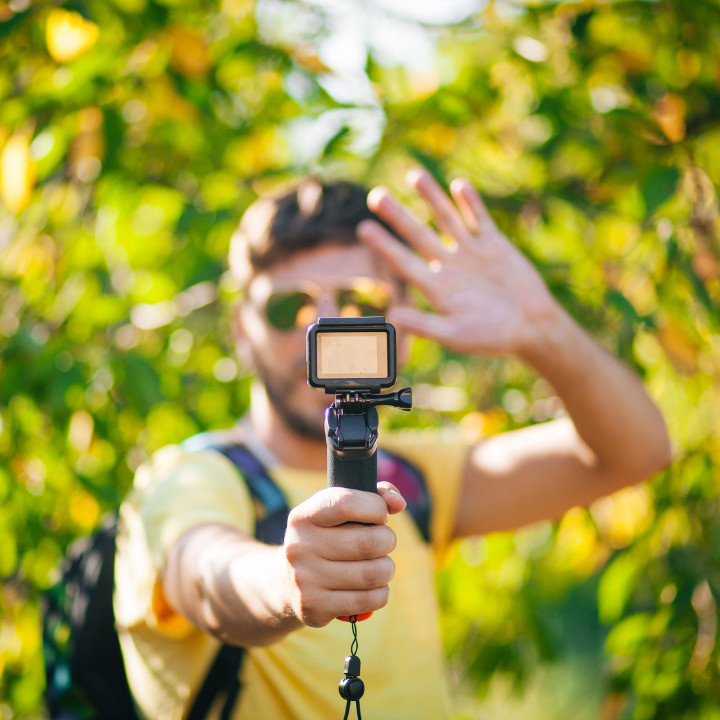
What Exactly Counts As ‘Work’ Now?
Balinese authorities are closing the gap between ‘holiday content’ and commercial activity. Tourist visas, including Visa on Arrival and standard C1 tourist visas, are strictly for leisure, and immigration is now taking a far stricter stance on content creation where there’s payment, promotion, exposure, or commercial benefit involved. That means a wide range of creator activity can now fall under ‘work’, including:
- Sponsored social media posts for brands
- Paid collaborations with hotels, cafes, beach clubs, or tour operators
- Barter deals involving free stays, meals, transport, or activities in exchange for promotion
- Paid photography or videography services, even when the client is ‘just a friend’
- Hosting retreats, workshops, classes, or events where participants pay or the host receives benefits
- ‘Volunteering’ or helping a business in exchange for accommodation, perks, or exposure
Authorities have also signalled that content made for monetised channels or personal brands may still be treated as work, even if no money changes hands on the day. For digital nomads, the laptop-at-the-villa excuse is no longer enough. If you’re servicing clients, running a business, or producing commercial content from Bali, immigration now expects you to be on the correct visa – not relying on a tourist stamp.
How Bali Is Enforcing This Crackdown
Bali’s crackdown is now moving from the rulebook to the ground. Authorities have launched the Dharma Dewata Immigration Patrol Task Force, an on-the-ground enforcement unit carrying out checks across creator-heavy areas including Canggu, Ubud, Seminyak, and Uluwatu. In its first weeks of operation this year, officials have reportedly detained more than 60 foreign nationals over visa violations linked to promotional work, unauthorised employment, and overstays.
Key enforcement moves include:
- Immigration patrols focused on creator and influencer hotspots including Canggu, Seminyak, Ubud, and Uluwatu
- Spot checks at co-working spaces, studios, cafés, and villas where foreign nationals are known to gather and work
- Digital monitoring of social media for sponsored posts, tagged brands, or collaborations that point to commercial activity
- Cross-checking public content against immigration records to see whether a traveller’s visa matches the activity being shown
- Targeted operations around retreats, workshops, classes, nightlife events, and music gigs involving foreign talent
When violations are found, the consequences can escalate quickly: fines, cancelled visas, detention, and deportation are all on the table. In more serious or repeated cases, travellers could also face long-term blacklisting or permanent bans from re-entering Indonesia.

The Paperwork Bali Expects Creators To Have
The message Bali is trying to send isn’t ‘No Creators Allowed.’ It’s that creator work should be backed by the correct visa. To support this shift, Indonesian authorities have introduced visa pathways specifically designed for content creators, influencers, and remote workers who were previously operating in a legal grey area.
- C5A single-entry visa for content creators, influencers, YouTubers and media professionals: For sponsored campaigns, brand shoots, tourism promotions, local business collaborations, and other content work in Indonesia. The visa allows an initial 60-day stay and can be extended twice in-country, up to 180 days.
- E33G visa for remote workers: Geared towards digital nomads, freelancers, entrepreneurs, and remote professionals earning from overseas employers or clients. Rather than covering local employment, it applies to those using Bali as a base while working for clients or businesses outside Indonesia. Applicants must show a minimum annual income of USD $60,000, and the visa is valid for one year with renewal options.
Together, the C5A and E33G visas represent Bali’s attempt to formalise an economy that has long operated in a loosely regulated space. The message from authorities is clear: if there’s a client, a contract, a campaign, or commercial activity involved, there should be a visa that reflects it.

Born in Korea and raised in Hong Kong, Min Ji has combined her degree in anthropology and creative writing with her passion for going on unsolicited tangents as an editor at Friday Club. In between watching an endless amount of movies, she enjoys trying new cocktails and pastas while occasionally snapping a few pictures.