
Disclaimer: This article contains details about an ongoing investigation. It also discusses allegations of sexual violence and abuse of underaged individuals, which may be distressing to some readers.
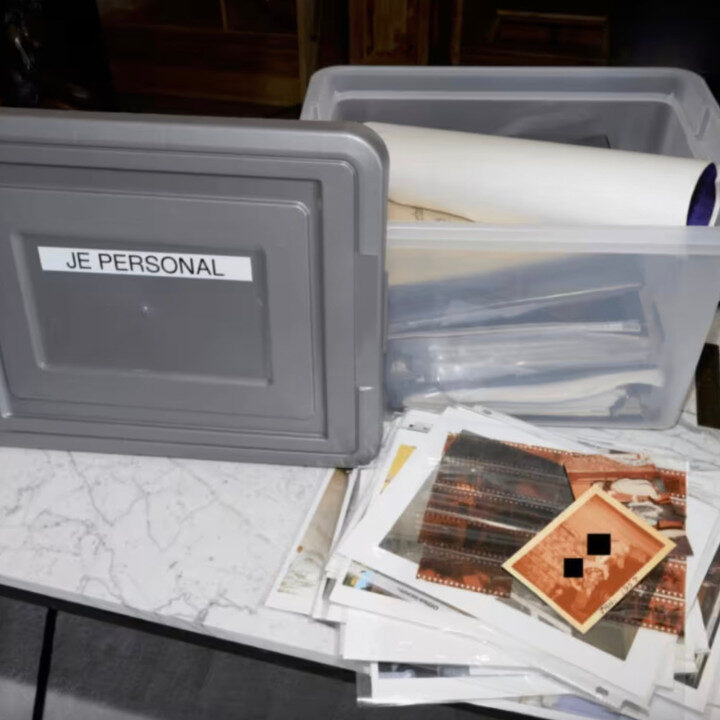
In Washington, officials at the US Justice Department have begun opening up boxes of paperwork from their investigation into Jeffrey Epstein’s network – a release forced by a long-promised transparency law that, after repeated delays, has finally started to bite.
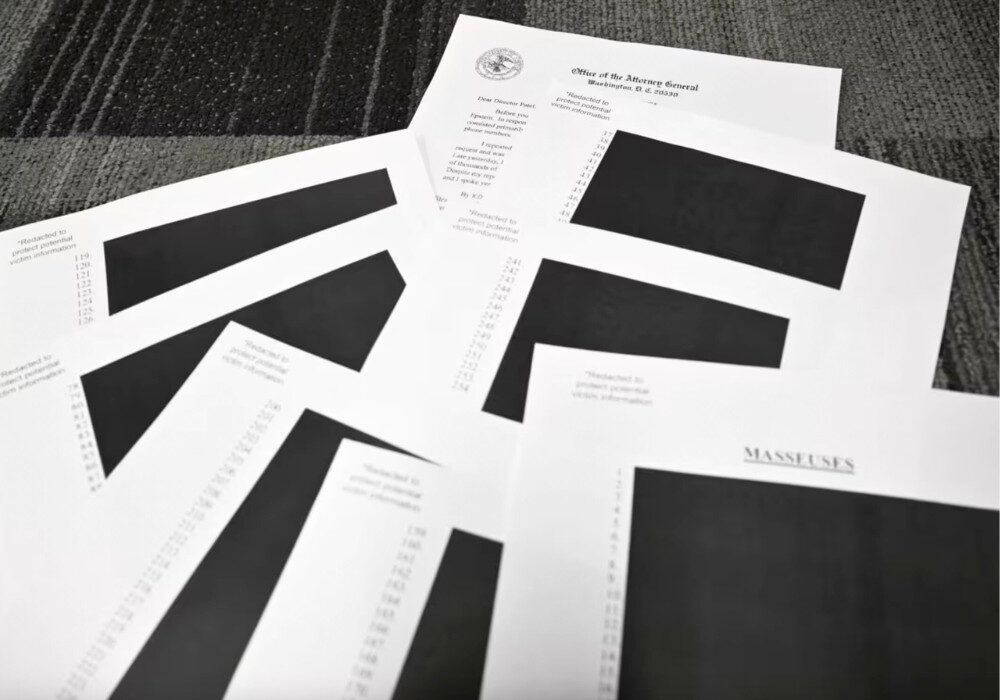
The new law, the ‘Epstein Files Transparency Act,’ was signed by President Donald Trump. And in recent days it has triggered the first public drop: thousands of pages, photos and records that campaigners have waited years to see. But as people start reading, many are running into the same thing again and again – thick black lines, missing pages, and gaps where key details ought to be. Instead of clarity, the first batch has landed with a thud: lots of material, and yet a sense that the public is still being kept at arm’s length.
Officials insist this is only a fraction of what will be released. Survivors and their lawyers aren’t reassured. They say the government is far too late, and still unwilling to fully show who helped Epstein, or how he was treated so leniently for so long. So the scrutiny intensifies. Watchdogs, survivors, and political partisans are poring over what’s been released – and coming away with more questions than answers. For many, it doesn’t look like a system confronting itself. It looks like a system protecting itself.
Read More: Police Investigate Chilling Links Between d4vd And Missing Teen Found In Tesla
Thousands Of Pages, And Plenty Of Black Holes
Scrolling through the Justice Department’s new ‘Epstein library,’ it doesn’t take long to understand why this release has landed with such force – and why it’s also leaving so many readers dissatisfied.
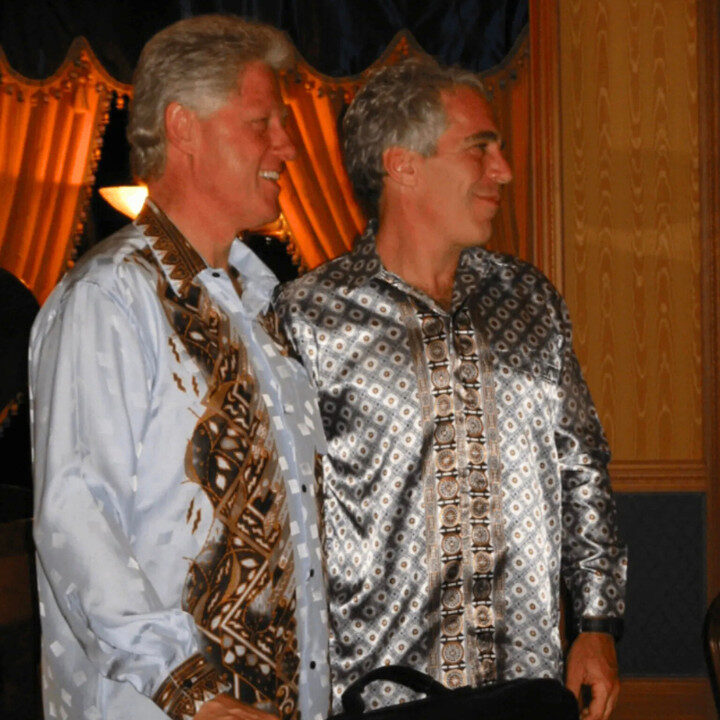
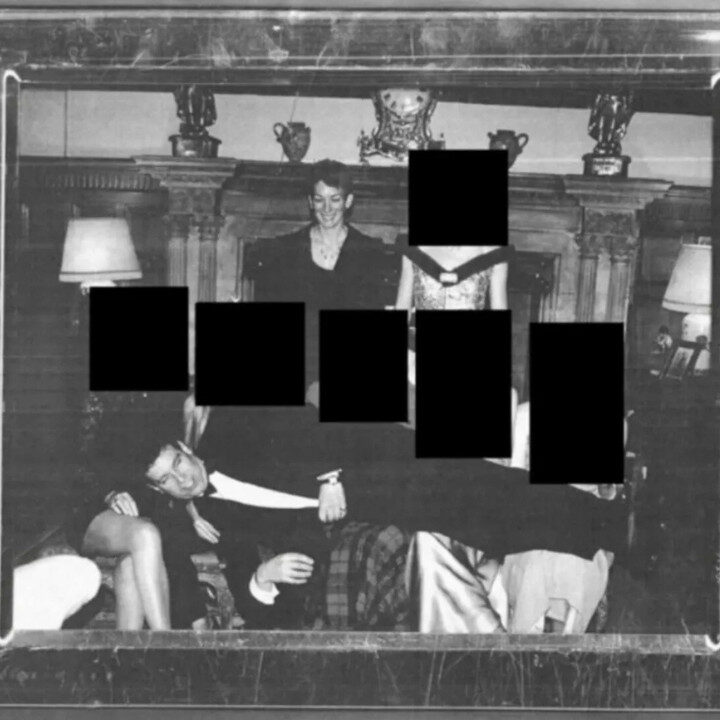
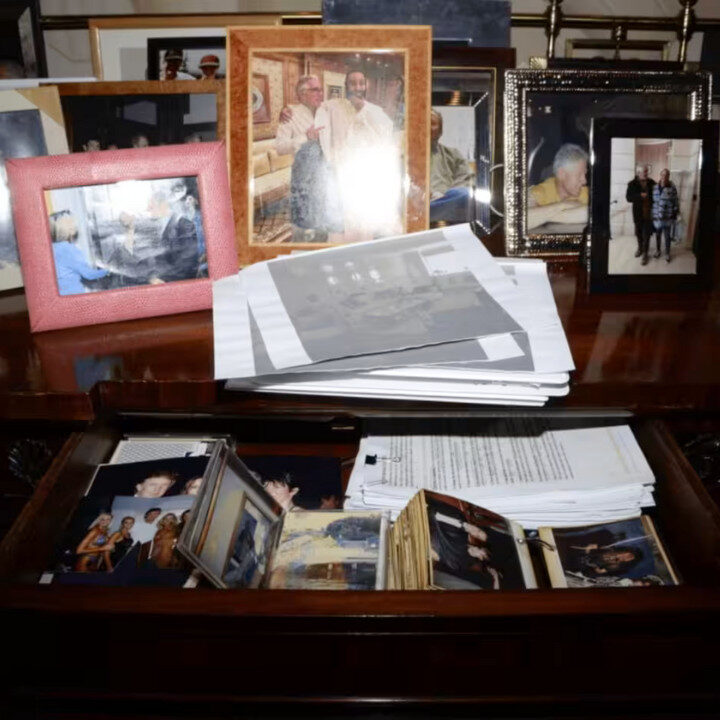
There are thousands of files: grainy photos, dense internal memos, flight manifests, and excerpts from grand jury material. Familiar names run through the paperwork – politics, business, academia – appearing in travel logs, contact lists, and calendar entries. Some references are arresting; others feel insubstantial: names without context, dates without clarity, fragments without conclusions. One image widely shared since the drop shows former President Bill Clinton in a pool with Ghislaine Maxwell and another woman whose face is redacted. Elsewhere, Donald Trump and other high-profile figures appear in logs and entries – mentioned, but without allegations of criminal conduct in those references. The official site now hosts thousands of individual PDFs and at least one video from this round alone, while separate releases attributed to Epstein’s estate, including emails, are being read alongside the government material by those trying to piece together what the official record still doesn’t spell out.
For some survivors, the most arresting detail isn’t a photograph but a line in an old FBI record. One document suggests the FBI was warned as early as 1996, when Maria Farmer reported that Epstein was involved in child sexual abuse and exploitation. Her name is redacted in the file, but Farmer identified herself publicly after the release, calling it ‘vindication’ while also expressing deep sorrow and anger that, in her view, officials failed to act – leaving more victims unprotected. And then there’s the gallery effect: images of Epstein and Maxwell alongside a roll call of the famous – Prince Andrew, Bill Clinton, Diana Ross, Michael Jackson, Mick Jagger, Kevin Spacey, and Pope John Paul II – many undated, many without explanation. For critics, that’s the point: notoriety isn’t accountability, and photos without context don’t answer who enabled Epstein, how influence was used, or why protection lasted as long as it did.
What The Black Bars Make Impossible To See
Compared with what many people imagined ‘transparency’ would look like, the most striking thing in this document drop isn’t the famous names – it’s the ink. Page after page is heavily redacted. In some files, there’s little more than a header or an official stamp; in others, only scattered words remain. That makes it difficult to reconstruct the basics in any meaningful detail: how prosecutors weighed charges, which leads were pursued or abandoned, and how far – if at all – influential associates were seriously examined.
Justice Department officials say there are reasons for that. They point to the legal obligations built into the new law and existing privacy statutes: the need to protect victims and family members from exposure, and to avoid compromising investigations that remain technically open even after Epstein’s death and Ghislaine Maxwell’s conviction. Critics and watchdog groups accept the principle of safeguarding survivors, but want more than broad assurances. They are calling on the department to spell out its redaction logic – to specify which exemptions were used, and why – and so far, officials have not offered that level of detail.
And that, critics argue, is why the release is already hardening into a fight over what the black bars mean. Victims and their advocates say some redactions – particularly in FBI interview summaries and trafficking-related internal documents – appear to go well beyond survivor protection, dulling the larger story of institutional failure. The result is a vacuum where narratives multiply: for some survivors, it feels like ‘a slap in the face’; for others watching from the outside, each redacted line becomes either proof of a cover-up or ammunition for a politically motivated smear.
A Missing Cluster Sparks Claims Of A Scrub
Within hours of the Justice Department’s Epstein page going live, online observers began spotting something odd: a small cluster of files appeared to have vanished without any public explanation. In the absence of information, speculation filled the gap. Social media users claimed the missing material must involve the sitting president, and accused officials of quietly scrubbing anything that could be politically damaging.
The department later offered a more procedural account. Prosecutors in the Southern District of New York, officials said, had flagged several images for temporary removal while they reassessed whether any victims could be identified in the background. One of the files caught up in that review was a photograph of Donald Trump from within the wider Epstein set.
After what officials described as a hurried recheck, the Trump image was restored without alteration. The Justice Department said none of the people visible in the photograph were victims, and stressed that the pause was driven by victim protection and legal obligations – not by a desire to shield Trump or any other public figure. Some of the other flagged files, officials added, remain offline while unresolved privacy concerns are reviewed. But for critics already distrustful of the release, the episode has become its own kind of evidence: another reason, they argue, to treat every update with suspicion.
What’s Still Sealed – And What Comes Next
Then there is the question of scale. For all the noise this first release has generated, lawmakers say it represents only a small fraction of what the government holds. There are other records still to come – bank information, internal memos, investigative files – sitting behind the public-facing archive.
The timeline, however, is already slipping. An early push for the Epstein Files to be fully out by the end of the year has given way to something looser. Justice Department officials are not committing to firm dates, telling Congress to expect a rolling release shaped by staffing and the slow grind of line-by-line review.
And that may be the crux of what comes next. The reaction to this heavily redacted cache – from politicians on both sides of the aisle, and from the public – is likely to influence the tone and pace of future drops. Survivors and their advocates keep returning to the moral centre of the debate: that accountability requires more than volume. It requires clarity – who enabled Epstein, who looked away, and which institutions bent the rules in his favour. Whether the next batches deliver that, or simply add more black ink and missing context, will determine if this long-promised reckoning becomes real – or remains another chapter defined by delay, secrecy, and argument.

Born in Korea and raised in Hong Kong, Min Ji has combined her degree in anthropology and creative writing with her passion for going on unsolicited tangents as an editor at Friday Club. In between watching an endless amount of movies, she enjoys trying new cocktails and pastas while occasionally snapping a few pictures.