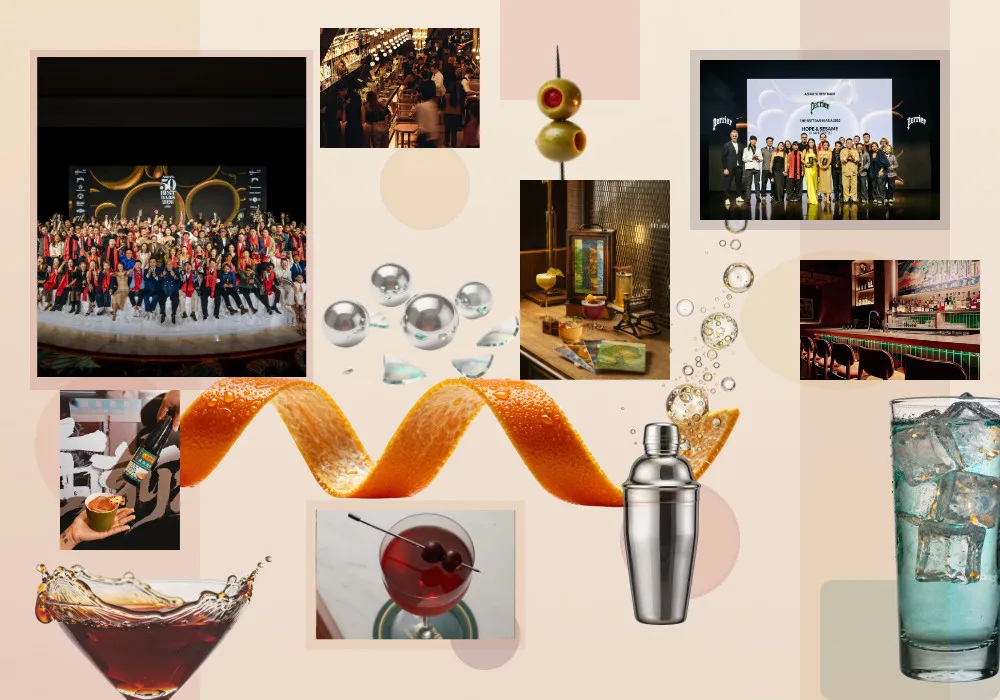
Hope & Sesame becomes the first Mainland Chinese bar to reach No.1, leading a record year that places Guangzhou, Shenzhen and several rising cities at the forefront of Asia’s cocktail scene.
For years, Asia’s cocktail map was dominated by a familiar group of capitals. Hong Kong supplied innovative independent bars, Singapore brought highly attentive service, Tokyo upheld its measured execution, and Bangkok developed into one of the region’s most prolific drinking cities. Asia’s 50 Best Bars 2026 doesn’t erase that order, but it does redraw it.
Announced in Macau, this year’s ranking covers 22 cities and includes 14 new entries and two returning names. With Guangzhou’s Hope & Sesame at No.1, the result carries greater significance when viewed beside the country’s broader performance: Mainland China secured a record seven positions across six cities, placing two Shenzhen bars within the top 10.
Read More: Asia’s 50 Best Bars 2026 – Mix & Mingle At Hong Kong’s Star-Studded Guest Shifts
A Decade In The Making
Hope & Sesame’s ascent isn’t an overnight success. Founders Andrew Ho and Bastien Ciocca opened the bar in 2016, when speakeasies were still relatively unfamiliar in southern China. Hidden behind a traditional Cantonese shop in Guangzhou’s historic Dongshankou neighbourhood, it became an early testing ground for modern cocktail techniques in a city rarely mentioned among Asia’s established bar capitals.
The bar entered Asia’s 50 Best Bars in 2019 and remained on the list for seven consecutive years, climbing to No.7 in 2025. That same year, it made its debut on The World’s 50 Best Bars at No.29. Its tenth anniversary now arrives with the region’s highest accolade, confirming the central role it has played in southern China’s cocktail development.
Advanced technique has always been integral to Hope & Sesame, encompassing rotary distillation, ultrasonic infusion, fermentation and controlled batching. Yet the processes never overshadow the drinking experience. Their purpose is to translate Cantonese food memories into cocktails that remain approachable, even when the methods behind them are highly technical.
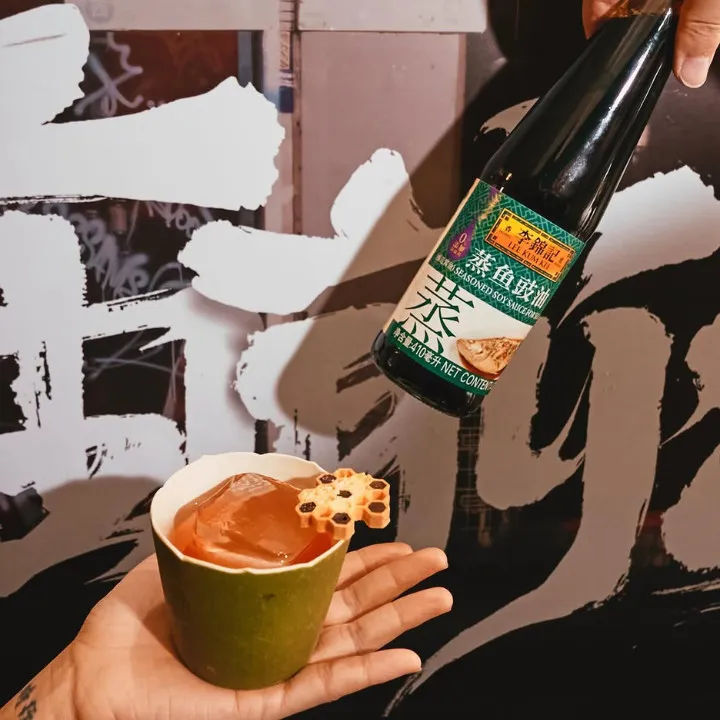
Menus have drawn upon Cantonese cuisine and the food cultures of Chinese communities around the world, using tea, oyster sauce, aromatics and regional pantry staples as starting points. A collaboration with Lee Kum Kee, for example, treated sauces as foundations for flavour, showing how ingredients associated with the domestic kitchen can acquire new relevance behind the bar.
This sense of place is fundamental to Hope & Sesame’s success. The bar didn’t reach No.1 by reproducing a London, New York or Tokyo experience in Guangzhou. Its reputation has grown because its drinks could only have emerged from the city and culture surrounding them.
China’s Cocktail Map Expands
One successful bar can be treated as an exception. Seven entries across six cities point to an ecosystem.
Shenzhen provides the clearest evidence. MO Bar Shenzhen climbed to No.5, while Obsidian Bar entered at No.10. Securing two top-10 positions would be notable for any city; for Shenzhen, it indicates the pace at which a market associated primarily with technology and finance has established a hospitality identity of its own.
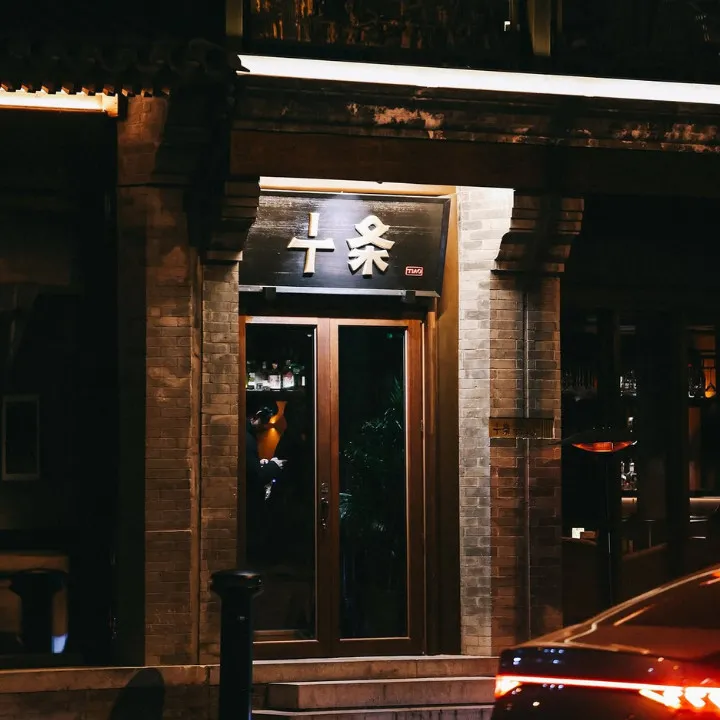
The geography of China’s remaining entries is just as significant. Pony Up entered at No.19 in Shanghai, CMYK placed No.27 in Changsha, Ralph’s Bar debuted at No.28 in Chengdu and Tiao joined at No.50 in Beijing. Guangzhou and Shanghai remain important, but recognition is now reaching cities with far less international exposure.
These bars also resist a uniform model. MO Bar occupies the upper floors of Mandarin Oriental Shenzhen, while Obsidian sits atop the Ping An Finance Centre. Tiao operates inside a Beijing hutong at Mandarin Oriental Qianmen, and Ralph’s Bar forms part of Ralph Lauren’s first dining store in China. Hope & Sesame, meanwhile, grew from an independent neighbourhood speakeasy.
China’s cocktail sector is therefore advancing through two complementary forces. Founder-led bars contribute local knowledge, creative freedom and close relationships with their communities; international hospitality groups bring investment, training and access to global networks. Their coexistence gives the market several routes towards recognition rather than forcing every bar to follow the same blueprint.
The expansion also coincides with changing drinking habits across China. Traditional baijiu remains commercially dominant, while younger consumers are showing greater interest in whisky, cocktails and more casual forms of social drinking. In response, baijiu producers have experimented with coffee, ice cream and mixed drinks to connect with a generation moving away from formal banquets and obligatory toasting. Cocktail bars form part of the same evolution. They provide a setting in which Chinese spirits, ingredients and drinking customs can be explored with greater flexibility, carrying distinctive flavours into a format suited to contemporary nightlife.
Bangkok Still Commands The Numbers
China may have taken the highest honour, but Bangkok retains the ranking’s largest city presence. Dry Wave Cocktail Studio rose to No.4 and claimed The Best Bar in Thailand, while Bar Us held No.6 and received the Sustainable Bar Award.
Lennon’s entered at No.7 as the year’s highest new entry, and Bar Sathorn climbed 31 places to No.17. BKK Social Club, Opium, G.O.D and newcomer Aqua Bar completed the city’s eight places.
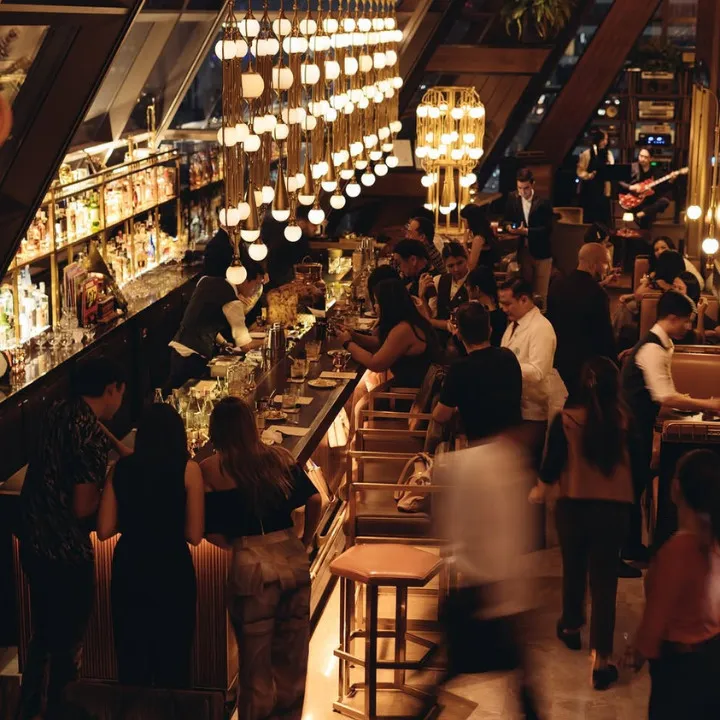
Together, they demonstrate the breadth of Bangkok’s bar scene. Dry Wave and Bar Us represent its experimental side; Lennon’s, BKK Social Club and Aqua Bar show the continued strength of luxury hotels; Bar Sathorn occupies the historic House on Sathorn; and Opium draws upon its Chinatown setting above acclaimed restaurant Potong.
Bangkok’s eight entries confirm its continued importance, while China’s performance broadens the regional field. This year’s results suggest that bars in Guangzhou, Shenzhen and Changsha can now command the same industry attention long associated with Bangkok, Hong Kong, Seoul and Singapore.
Hong Kong’s Standing Holds
Hong Kong secured seven places, led by last year’s winner, Bar Leone, at No.3. Gokan rose to No.22, Coa placed No.24 and Mius debuted at No.36, with Argo, Montana and Penicillin completing the city’s representation.
The city also performed strongly outside the numerical rankings. Coa received the Legend of the List Award, recognising its sustained contribution to Asia’s cocktail culture. Shelley Tai’s Mius won Best Bar Design, while Kinsman received Best Cocktail Menu for a drinks programme rooted in Cantonese traditions.
These results reveal a city whose importance cannot be measured through placements alone. Hong Kong continues to produce internationally recognised independent bars while providing the talent, guest shifts, brand relationships and professional networks that connect the region’s drinks community.
As more Chinese cities gain recognition, Hong Kong’s role isn’t disappearing. It’s operating within a larger and more competitive market – one in which regional ideas, bartenders and audiences circulate more freely than before.
Rankings, of course, are never a complete measurement of quality. Asia’s 50 Best Bars is decided by more than 300 industry professionals, drinks writers and well-travelled cocktail specialists, which means visibility and access inevitably form part of the equation. Smaller bars and less-connected markets can still be overlooked. Nevertheless, the list offers a useful record of where industry attention is gathering.
In 2026, much of that attention is moving towards Mainland China. Hope & Sesame’s No.1 position may be the headline, but the more consequential story is the foundation beneath it: experienced bartenders, more adventurous consumers, luxury investment and bars willing to centre Chinese ingredients and regional identities.
The result doesn’t mean China has displaced Bangkok, Hong Kong, Seoul or Singapore. It shows that Asia’s cocktail hierarchy now has more centres of power. Hope & Sesame has reached the top, but the seven Chinese bars surrounding its victory may ultimately tell us more about where the region is heading next.
Asia’s 50 Best Bars 2026: The Full List
| Rank | Bar | City |
|---|---|---|
| 1 | Hope & Sesame | Guangzhou |
| 2 | Zest | Seoul |
| 3 | Bar Leone | Hong Kong |
| 4 | Dry Wave Cocktail Studio | Bangkok |
| 5 | MO Bar Shenzhen | Shenzhen |
| 6 | Bar Us | Bangkok |
| 7 | Lennon’s | Bangkok |
| 8 | Boilermaker | Goa |
| 9 | Jigger & Pony | Singapore |
| 10 | Obsidian Bar | Shenzhen |
| 11 | Modernhaus | Jakarta |
| 12 | Nutmeg & Clove | Singapore |
| 13 | Alice | Seoul |
| 14 | Vender | Taichung |
| 15 | Cosmo Pony | Jakarta |
| 16 | Offtrack | Singapore |
| 17 | Bar Sathorn | Bangkok |
| 18 | Soka | Bengaluru |
| 19 | Pony Up | Shanghai |
| 20 | BKK Social Club | Bangkok |
| 21 | Carrots Bar | Jakarta |
| 22 | Gokan | Hong Kong |
| 23 | Punch Room Tokyo | Tokyo |
| 24 | Coa | Hong Kong |
| 25 | Opium | Bangkok |
| 26 | Virtù | Tokyo |
| 27 | CMYK | Changsha |
| 28 | Ralph’s Bar | Chengdu |
| 29 | Smoke & Bitters | Hiriketiya |
| 30 | Bar Spirit Forward | Bengaluru |
| 31 | G.O.D | Bangkok |
| 32 | Three X Co | Kuala Lumpur |
| 33 | Bar Cham | Seoul |
| 34 | Workshop14 | Hanoi |
| 35 | To Infinity & Beyond | Taipei |
| 36 | Mius | Hong Kong |
| 37 | Argo | Hong Kong |
| 38 | Bar Trigona | Kuala Lumpur |
| 39 | Bar Libre | Tokyo |
| 40 | The Golden Tooth | Jakarta |
| 41 | The Han-Jia | Tainan |
| 42 | M+MS Bar | Seoul |
| 43 | Origin Bar | Singapore |
| 44 | Problem Child | Makati |
| 45 | The St. Regis Bar (Macau) | Macau |
| 46 | The Hudson Rooms | Hanoi |
| 47 | Montana | Hong Kong |
| 48 | Aqua Bar | Bangkok |
| 49 | Penicillin | Hong Kong |
| 50 | Tiao | Beijing |
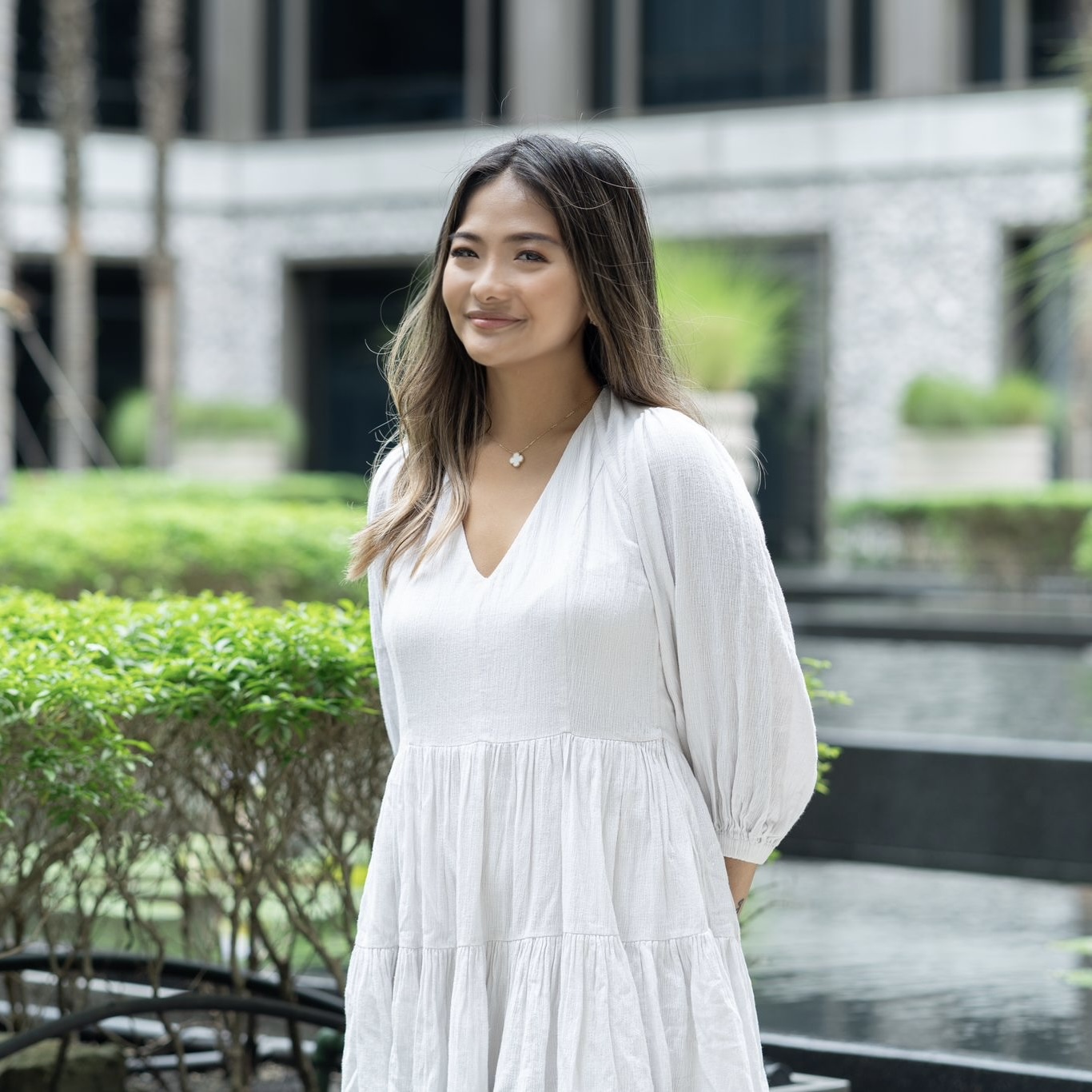
Catherine Pun
A Hong Kong native with Filipino-Chinese roots, Catherine infuses every part of her life with zest, whether she’s belting out karaoke tunes or exploring off-the-beaten-path destinations. Her downtime often includes unwinding with Netflix and indulging in a 10-step skincare routine. As the Editorial Director of Friday Club., Catherine brings her wealth of experience from major publishing houses, where she refined her craft and even authored a book. Her sharp editorial insight makes her a dynamic force, always on the lookout for the next compelling narrative.