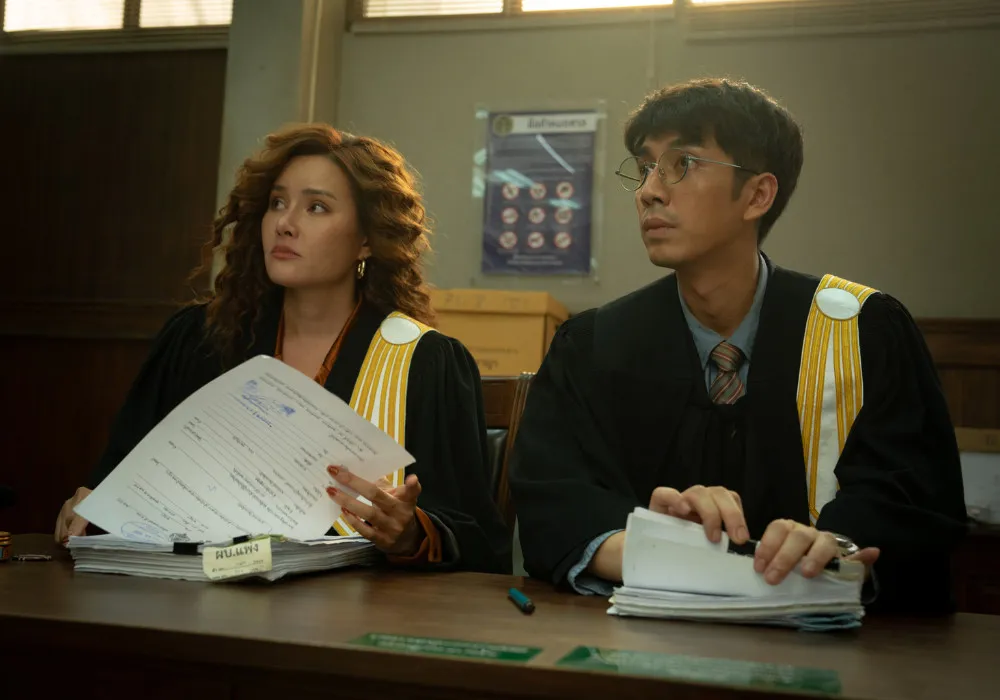

Netflix’s latest Thai courtroom drama currently holds a perfect Rotten Tomatoes score. As a Thai, I found myself recognising far more than I expected.
For anyone outside Thailand, ‘The Evil Lawyer’ is easy to enjoy as a tightly made legal thriller. The courtroom battles are tense, the performances are gripping, and each episode moves at a pace that makes ‘just one more episode’ a dangerous promise.
For me, however, the experience was something else entirely.
Almost every case featured in the series – if not all of them – was inspired by real headlines. The entire time I was watching, I had the nagging feeling that I had read about them before. Somewhere between the corruption scandals, abuse of power, legal loopholes, and headline-grabbing controversies, I found myself thinking: ‘this is familiar…’
After finishing the series, I started digging deeper. It didn’t take long to discover that several Thai publications had already begun drawing comparisons between the show’s fictional cases and real events that have unfolded across Thailand over the years.
‘The Evil Lawyer’ never claims to be based on true stories. And yet, it constantly feels like it’s living just a few degrees away from reality.
Read More: The White Lotus Season 3: An Ending More Bitter Than Sweet
The Lawyer Who Thrives In Grey Areas
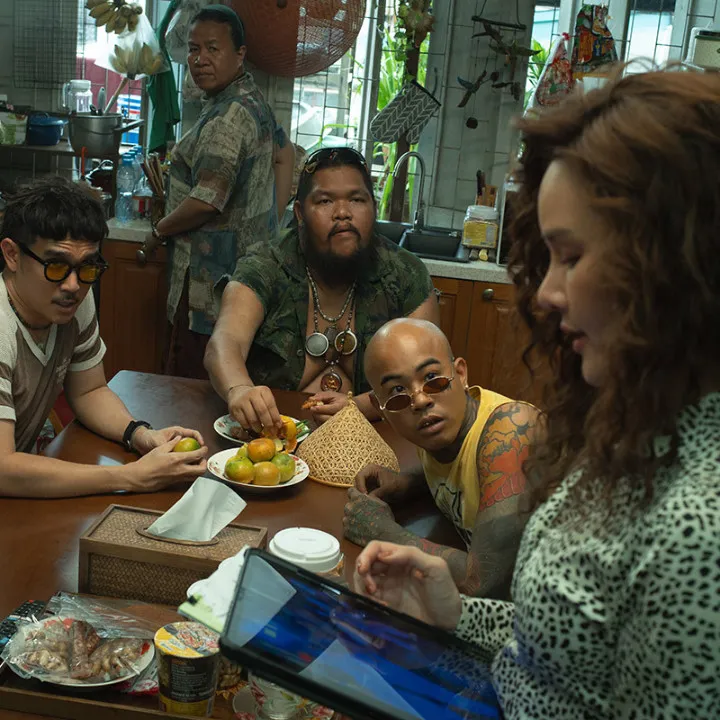
The series follows Jittri, played by Ratha Phongam, a defence lawyer whose talents seem best suited to cases most lawyers would rather avoid.
She isn’t interested in simple questions of right and wrong. Instead, she operates in the murky space between legality and morality, consistently finding ways to exploit loopholes, challenge assumptions, and secure victories where defeat often feels inevitable.
Her counterpart is Mek, played by Nat Kitcharit, an idealistic young lawyer whose belief in justice collides headfirst with the realities of power and influence. Their dynamic becomes the engine driving the series forward, forcing viewers to confront uncomfortable questions about whether justice and the law are always the same thing.
A Courtroom Drama Built On Detail
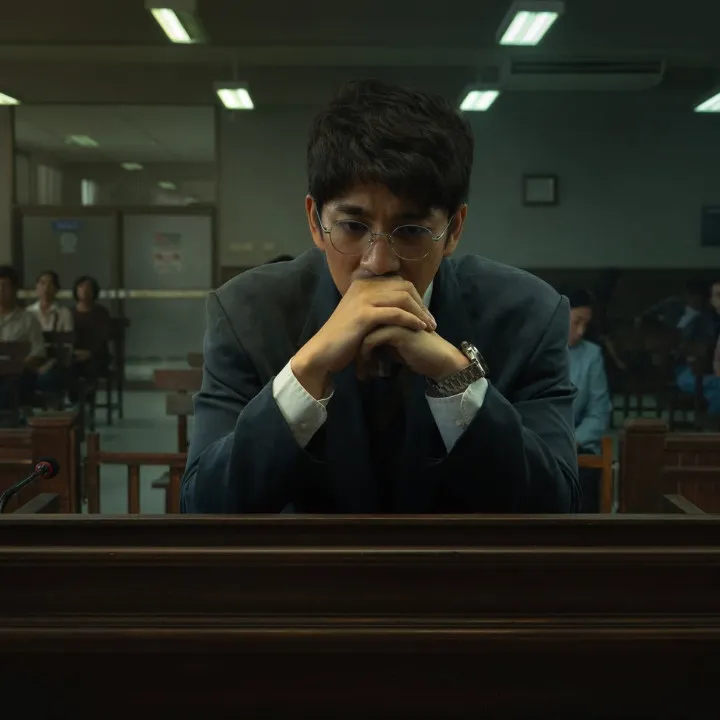
Thai television rarely ventures into courtroom drama, which makes ‘The Evil Lawyer’ feel refreshing from the outset.
Director Nottapol Boonprakob, known for ‘Mad Unicorn’ and the documentary ‘Come and See,’ approaches the material with unusual care – the team spent five to six years researching the plot. The courtroom exchanges are crisp and calculated. Investigations unfold methodically. Evidence is treated as something earned, not conveniently discovered at the perfect moment.
More importantly, the series understands that the courtroom itself is only part of the story. Around every case sits a broader ecosystem of influence, money, politics, and self-interest. The legal battles are compelling, but the social commentary beneath them is what stays with you.
No Villains. No Heroes.
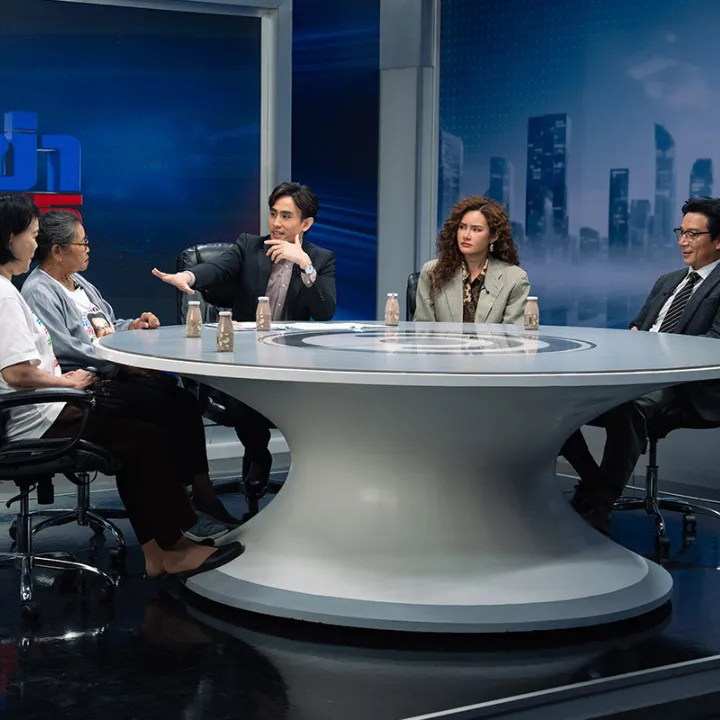
What impressed me most after the final episode was the series’ willingness to acknowledge that people rarely act according to simple moral categories. Almost every character is pursuing some version of self-preservation, personal ambition, or survival. Even Jittri, despite her methods, never feels entirely villainous.
This is where ‘The Evil Lawyer’ is at its strongest. Rather than telling viewers what to think, it constantly forces them to examine their own moral boundaries. Faced with the same pressures, compromises, and impossible choices, would you really behave any differently? I found myself switching sides with each character throughout the series – which made for a compelling viewing experience.
What lingers is a cast of characters who feel less like archetypes and more like real people: flawed, complicated, and often uncomfortably human.

More Than A Legal Thriller
Where ‘The Evil Lawyer’ works best is when it uses the courtroom to ask bigger questions about Thailand. What happens when influence meets justice? Can the legal system always deliver fair outcomes? And why do people so often prioritise their own interests over the ideals they profess?
The ending leaves enough unresolved to suggest that a second season is almost certain.
And if that happens, I’ll be watching – partly for the drama, and partly because I suspect I’ll once again recognise more of it than I’d like.

Chol is a Thai writer and editor specialising in travel, culture, and lifestyle. A former magazine writer and contributor to several travel guidebooks, she has also appeared in Netflix's Midnight Asia. She is passionate about storytelling and exploring Thailand's diverse communities and landscapes.