For years, Thailand’s Boys’ Love industry dominated conversations about the country’s entertainment exports. Today, another genre is becoming one of the most influential forces in Asian pop culture.
What began as niche storylines, supporting characters and late-night television experiments has evolved into a global fandom economy powered by sold-out fan meetings, luxury brand endorsements and some of Thailand’s most recognisable stars.
Welcome to the world of Thai Girls’ Love, or GL.
Read more: How TWENTYFIFTH Brings Thai Craft Into The Present
The Genre That Outgrew Its Shadow
Before there was FreenBecky. Before LingOrm. Before fan meetings stretching from Manila to São Paulo.
There was ‘Yes or No.’
Released in 2010, the film became a cultural milestone, introducing mainstream audiences to a romantic story between two women at a time when such narratives were rarely given major screen space. For much of the following decade, however, Thai GL remained on the margins of Thai entertainment.
Female couples appeared as supporting storylines in mainstream dramas. They existed as subplots, experiments or one-off episodes. Much like the early years of Boys’ Love, or BL, the industry was testing the waters.
The difference was visibility.
While BL quickly developed dedicated online communities and publishing ecosystems, GL spent years slowly filtering into traditional television. It appeared in series such as ‘Hormones,’ ‘Club Friday’ and ‘Songkram Nang Ngam,’ gradually normalising sapphic relationships for mainstream audiences before the industry had its own dedicated stars.
The GAP Effect
Every entertainment movement has its breakthrough moment.
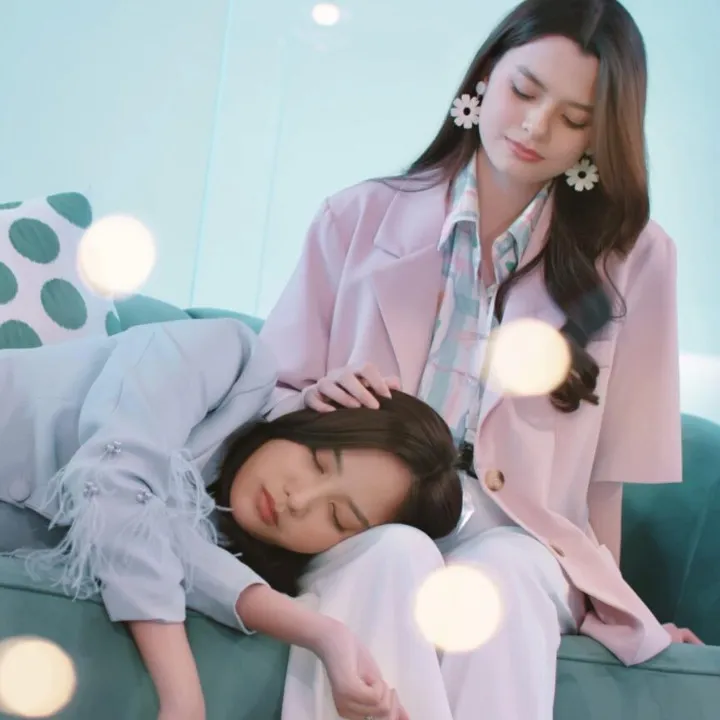
For Thai GL, that moment arrived in 2022 with ‘GAP The Series.’
The series pushed Thai GL from what had largely been considered a niche screen category into a commercially viable mainstream market. More importantly, it proved that audiences around the world were willing to invest emotionally, financially and culturally in stories centred on women loving women.
The success of Freen Sarocha and Becky Armstrong created something more powerful than a hit television show. It offered a blueprint for Thai GL in the years that followed.
Networks that had previously viewed Thai GL as a secondary market suddenly saw commercial opportunity. Production houses increased investment. New projects moved quickly into development. By 2024 alone, Thailand released more than 20 GL series – the highest annual output the category had ever seen.
What had once been treated as a niche offshoot had become an industry.
The Real Product Isn’t The Series
The most important thing to understand about Thai GL is that the television show is only the beginning.
The true engine of the Thai GL industry is the pairing.
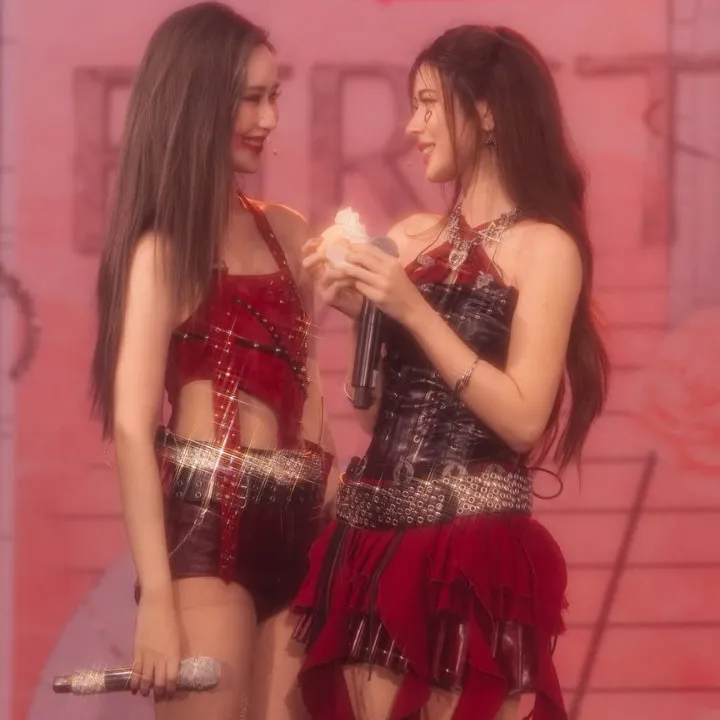
Much like K-pop groups or Japanese idol culture, Thai GL operates through highly managed on-screen partnerships that continue long after filming wraps. Fans follow not only the characters but also the actresses themselves through fan meetings, livestreams, concerts, endorsements, magazine covers and international tours.
From this has emerged a new generation of celebrity duos whose influence reaches well outside television.
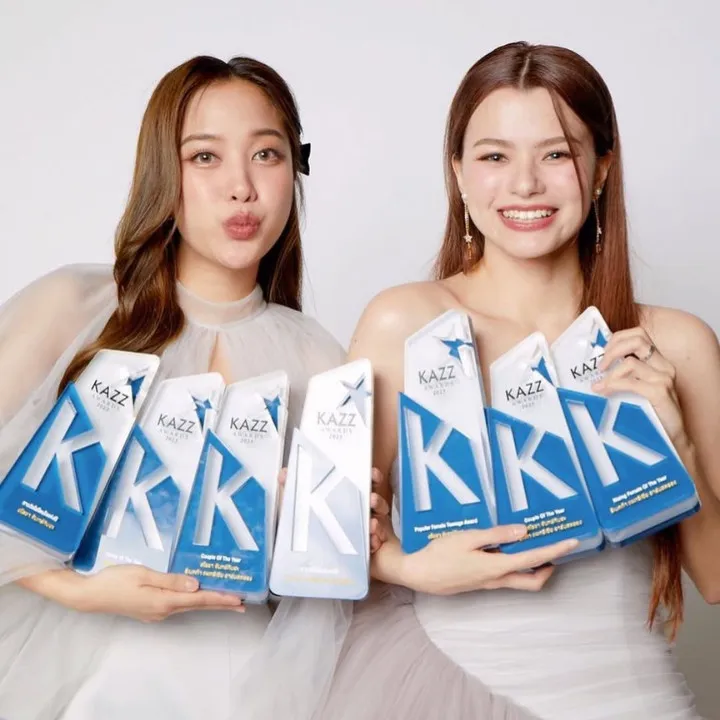
FreenBecky, LingOrm, EngLot, MilkLove, NamtanFilm and KaoJane have become entertainment brands in their own right, commanding loyal fandoms capable of filling arenas and driving significant commercial value.
The relationship between performer and audience no longer ends with the final episode.
For many fans, it begins there.
Moving Past ‘Tom-Dee’
The evolution of Thai GL storytelling mirrors wider changes in Thai society.
Early representations often relied on familiar ‘tom-dee’ dynamics, where one character adopted a masculine presentation, or Tom, while the other embodied traditional femininity, or Dee. These narratives frequently revolved around conflict, sacrifice or social rejection, with happy endings remaining relatively rare.
Contemporary Thai GL looks very different.
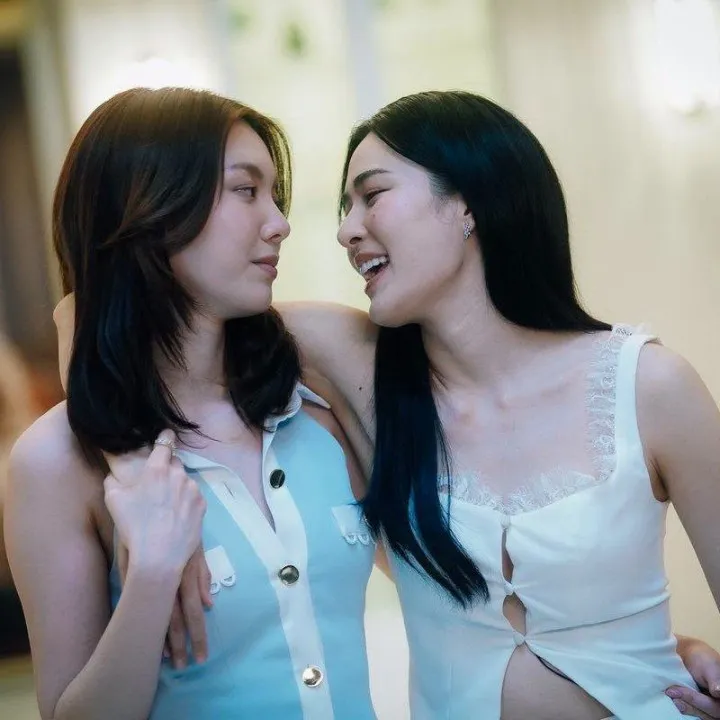
Today’s stories are increasingly described as sapphic rather than simply lesbian. The shift reflects broader and more fluid representations of female desire, identity and relationships.
Characters are no longer confined to rigid masculine-feminine roles. Many enter stories already comfortable with their sexuality. The central conflict is less about self-discovery and more about navigating family expectations, social structures and personal ambitions.
Rather than asking, ‘Am I gay?’
The question has increasingly become, ‘Can I build a life with the person I love?’
The Rise Of The Fandom Economy
Perhaps the most fascinating aspect of Thai GL is how quickly it has moved outside television.
Thai GL now operates as a sophisticated fandom ecosystem spanning entertainment, fashion, beauty and tourism.
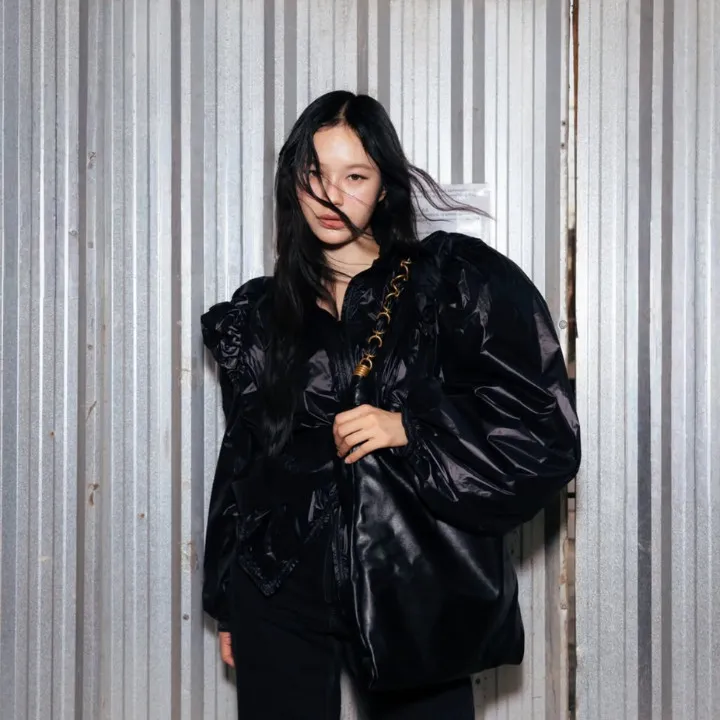
Stars who first gained recognition through GL projects are securing luxury fashion partnerships, global beauty campaigns and ambassador roles with international brands. Fan communities organise birthday projects, advertising campaigns and overseas events with a level of commitment once associated primarily with K-pop fandoms.
International fan meetings have become particularly significant.
Across Asia, Latin America and increasingly Europe, Thai GL stars are drawing audiences eager to participate in an entertainment culture that feels distinctly Thai yet globally accessible.
The numbers tell a compelling story. Major Thai GL pairings have collectively staged dozens of international events across markets including the Philippines, China, Taiwan, Japan, Vietnam, Mexico, Brazil and the United States.
For a screen category that barely existed in mainstream television a decade ago, the growth has been remarkable.
When Beauty Queens Enter The Chat
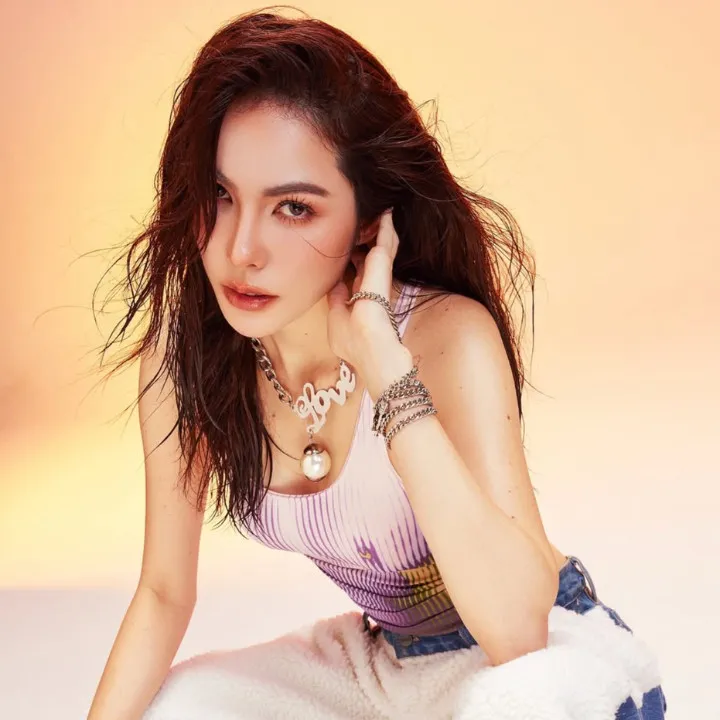
One of the more unexpected developments in Thai GL has been the role of Thailand’s beauty pageant industry.
Miss Grand Thailand has emerged as an unlikely incubator for GL fandom culture, producing some of Thailand’s most visible pairings and turning audience enthusiasm into commercial opportunity.
The success of EngLot demonstrated that the Thai GL phenomenon could move outside scripted entertainment. Chemistry, fan engagement and personality became valuable assets in their own right.
The pageant world quickly adapted.
Fan meetings, livestream commerce, original series and international tours became natural extensions of a fandom model that had already proven its commercial power.
In the process, Thai GL has become part of a wider entertainment ecosystem where the boundaries between pageantry, television, celebrity culture and fan communities continue to blur.
Thailand’s Next Cultural Export
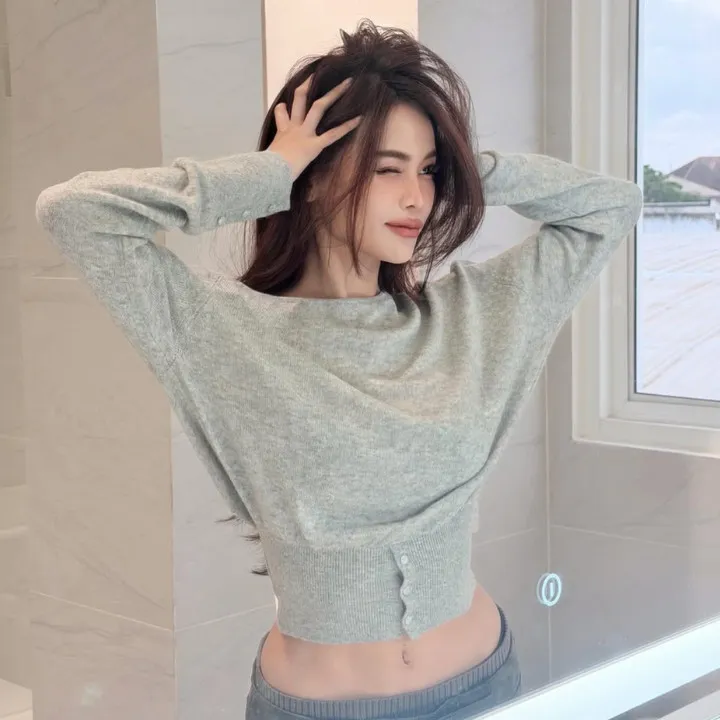
For years, BL was considered one of Thailand’s most successful soft power stories.
Thai GL may be following the same trajectory.
It has already demonstrated its ability to generate international audiences, attract foreign investment, promote Thai talent and create global fan communities. Government agencies have begun recognising its cultural and commercial potential, while broadcasters and streaming platforms continue to expand their investment in the space.
Yet perhaps the most significant achievement of Thai GL isn’t economic.
It’s cultural.
Over the past decade, stories about women loving women have moved from the margins of Thai television into mainstream popular culture. They have grown from tragic subplots into headline productions, from niche audiences into international fandoms.
What began as a handful of supporting characters has become an entertainment movement.
And judging by the growing queues at fan meetings around the world, the story is only just beginning.

Chol is a Thai writer and editor specialising in travel, culture, and lifestyle. A former magazine writer and contributor to several travel guidebooks, she has also appeared in Netflix's Midnight Asia. She is passionate about storytelling and exploring Thailand's diverse communities and landscapes.