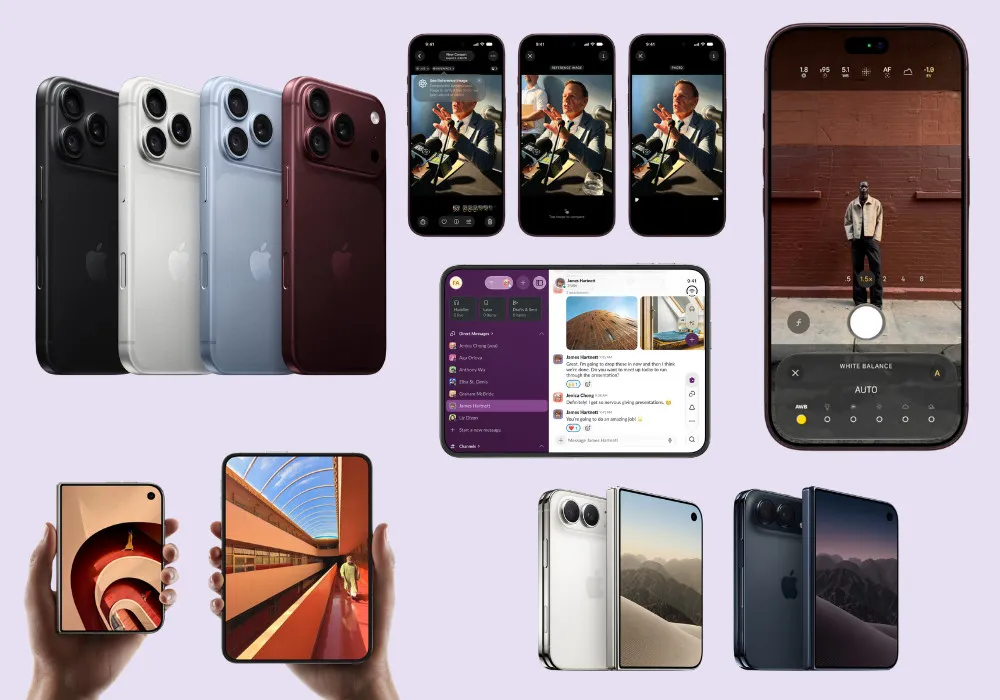

Another September, another iPhone launch – and this year, Apple has added a foldable to the family. The iPhone 18 Pro and Pro Max offer expanded camera controls and longer battery life, while the iPhone Duo is the company’s first foldable smartphone.
Absent this time is the standard iPhone 18. Apple has yet to announce its launch plans, though the model is reportedly expected in early 2027, leaving those interested in the regular version with a longer wait.
Pre-orders for the Pro and Pro Max opened on 12 September, ahead of their 18 September release. The iPhone Duo follows with pre-orders on 16 October and availability from 23 October.
Read More: Meet The DJI Osmo Pocket 4 – The Tiny Camera Seen Everywhere Now Has Major Upgrades
The Pro Series Gets Serious About The Camera
Apple’s iPhone 18 Pro and Pro Max give keen photographers more room to experiment, backed by the A20 Pro chip. Its six-core CPU, seven-core GPU and dual 16-core Neural Engine support increasingly demanding photography, gaming and on-device AI, with Apple claiming up to 40% faster graphics performance than the iPhone 17 Pro.
The most significant changes, however, show up when you open the camera. The 48MP Fusion Main camera introduces a variable aperture that adjusts light intake and depth of field to suit the scene. For everyday use, this should mean better low-light results; for those who enjoy composing a shot, it also offers more control over how much of the background remains in focus.
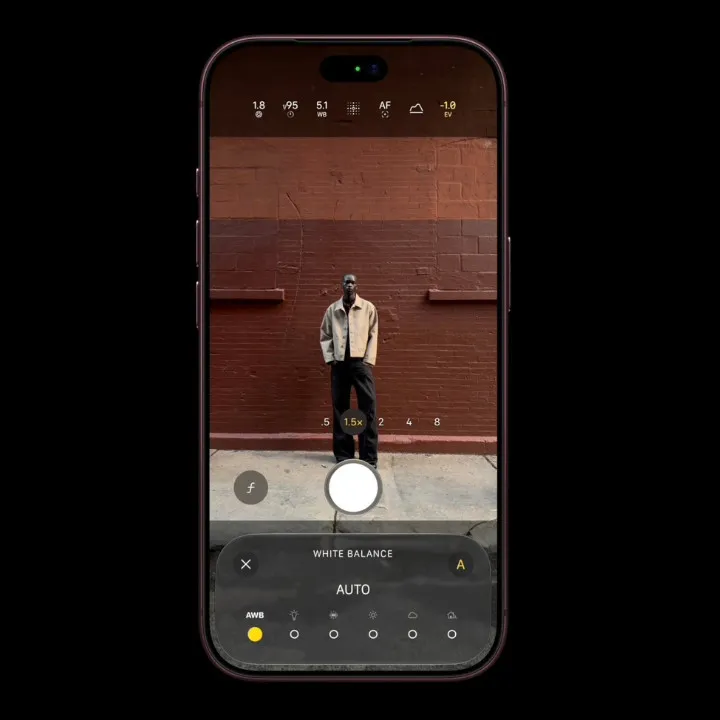
That control continues within the Camera app, where aperture, shutter speed and white balance can be adjusted manually, with a histogram to help assess exposure. Photographic Styles 3 adds texture and grain adjustments, allowing a portrait to retain softer skin detail or a street scene to take on a film-like finish. Together, these tools give users a greater role in deciding how their photographs look.
For video, the Main camera records 4K Dolby Vision at up to 120fps, while Cinematic mode supports 4K Dolby Vision at 60fps. The ability to apply Cinematic effects after recording also gives you more control over the final look.
With editing freedom growing, Apple Reference Image digitally signs photo data at capture. This creates a verifiable record of what the sensor originally captured, addressing an increasingly relevant concern for photographers: proving an image’s origin when its appearance can be altered so easily.
Engineered To Go The Distance
Longer battery life may prove just as persuasive as the camera upgrades, especially for anyone whose day rarely allows time beside a charger. The iPhone 18 Pro series pairs the A20 Pro’s efficiency with a larger vapour-chamber cooling system, designed to disperse heat and maintain performance during demanding tasks such as gaming.
Apple rates the Pro Max for up to 30 hours of typical use, while its US specifications list video playback of up to 36 hours for the Pro and 45 hours for the Pro Max. When the battery does run low, both models can reach 50% charge in around 15 minutes with a compatible wired charger. On the Pro Max, a five-minute top-up delivers up to seven hours of video playback – useful reassurance before boarding a flight or heading out for the evening.
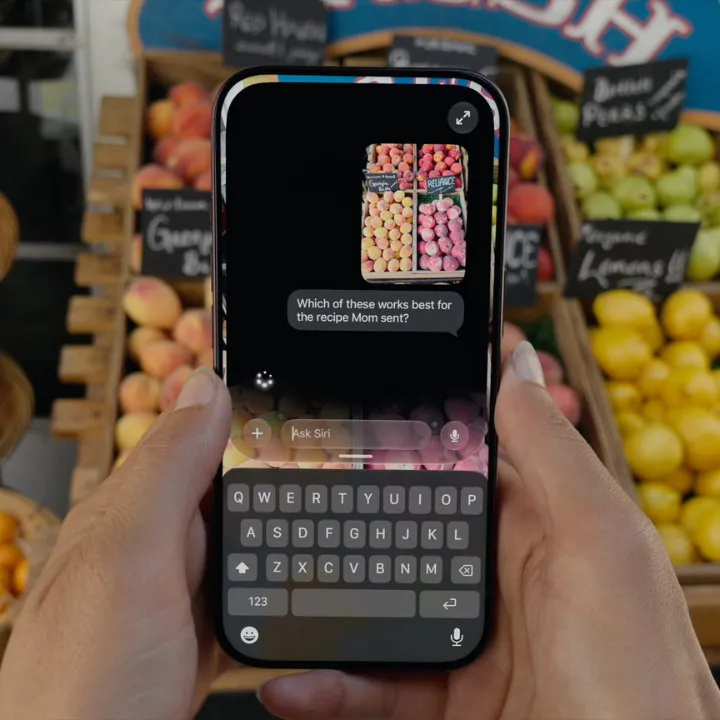
Day-to-day use also gets a little easier with a redesigned Dynamic Island, which displays three Live Activities at once, keeping navigation, music and other updates within view as you switch between apps. Both phones support Wi-Fi 7 and Bluetooth 6, with Apple also listing its C2 cellular modem for the Pro.
The exterior offers its own reason for a second look: burgundy joins black, silver and glacier, with storage options spanning 256GB to 2TB on both models. US prices start at USD$1,199 for the Pro and USD$1,299 for the Pro Max.
Unfolding The iPhone Duo
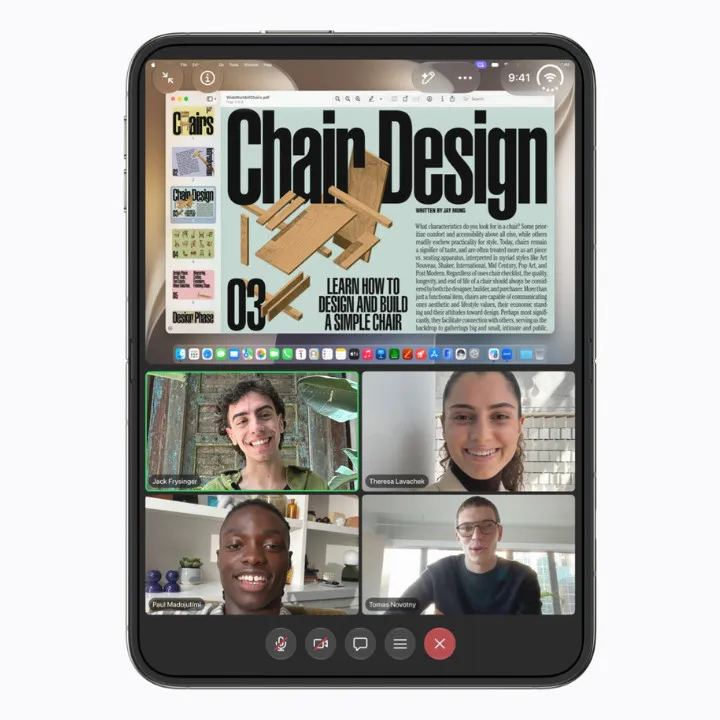
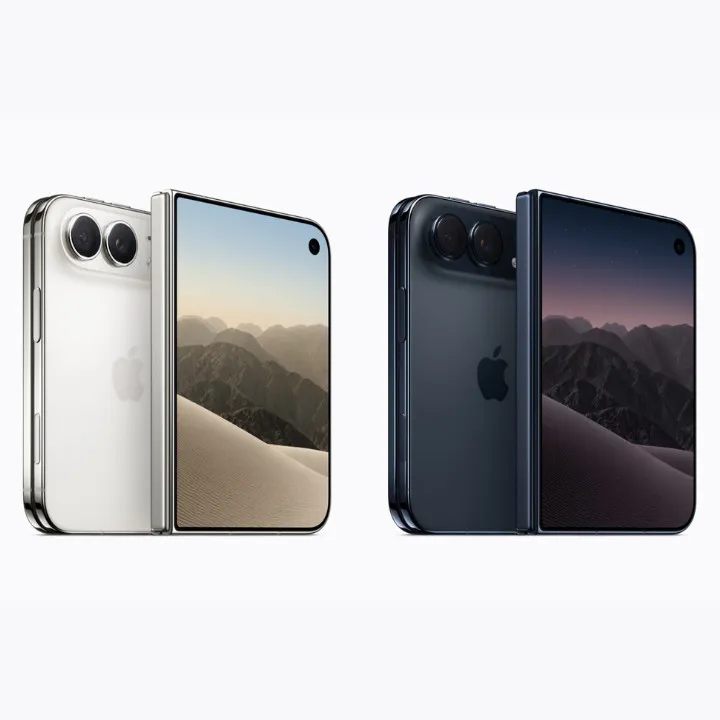
Apple’s most conspicuous departure this September is the iPhone Duo, its first foldable smartphone. Closed, it offers a 5.4-inch outer screen; opened, it reveals a 7.6-inch Super Retina XDR display, with 50% more screen area than the iPhone 18 Pro Max.
The appeal becomes clearer when working across apps. Split View lets you browse photographs beside an email and drag an image straight into your message, giving familiar tasks more breathing room. Both displays share the same aspect ratio, maintaining consistent proportions as you open and close the phone.
The second screen also changes the experience of being photographed. Duo Preview lets your subject check their pose and framing on the outer display, while Smart Take captures the shot when everyone is ready – giving the photographer time to join the group.
That shared-screen approach carries through to Duo FaceTime, which lets nearby friends join a call using the outer display. For younger subjects, Kid Cue plays animations beside the cameras to draw their attention towards the lens. These are playful additions, but they give the folding design a practical role in everyday photos and conversations.
Durable Duos
A folding screen brings its own engineering challenges, and Apple has paid close attention to how the Duo holds up. A Grade 5 titanium frame and hinge cover sit alongside Ceramic Shield protection on the front and back, while the inner display uses 10 ultrathin layers designed to move as it folds, reducing stress and visible creasing. A scratch-resistant coating and IP68 water and dust resistance add further protection.
The larger screen will gain another use later this year, when support for Apple Pencil (USB-C) arrives. For those who prefer handwritten notes or sketching out an idea, it could make the Duo a useful pocket-sized alternative to reaching for a tablet.
Available in star white and night sky, the iPhone Duo starts at US$1,999 for 256GB, with storage options reaching 2TB.

Born in Korea and raised in Hong Kong, Min Ji has combined her degree in anthropology and creative writing with her passion for going on unsolicited tangents as an editor at Friday Club. In between watching an endless amount of movies, she enjoys trying new cocktails and pastas while occasionally snapping a few pictures.