
Content warning: This article discusses rape and sexual violence, which some readers may find distressing.
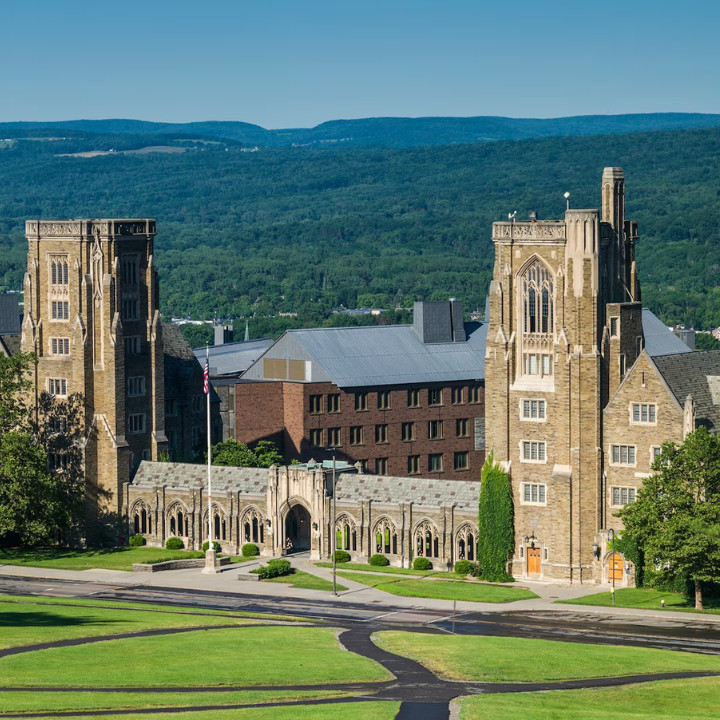
Cornell University and seven current or former Chi Phi fraternity members are facing renewed scrutiny following a civil lawsuit filed in September 2026 by a former student identified as Jane Doe. She says she was drugged and gang-raped at the fraternity’s house in October 2024. Her lawsuit accuses the seven men of involvement in the attack and challenges the university’s handling of her report.
The lawsuit has prompted the reopening of a criminal investigation closed without charges in 2024, raising questions about the evidence authorities reviewed and how they handled Doe’s report.
Read More: Son Of Mango Founder Arrested In Spain Over Father’s Death
The Night In Question
Doe’s lawsuit names Cornell University, national and local Chi Phi entities, organisations associated with Delta Delta Delta sorority, a local bar and other defendants. Seven current or former students are named: Matthew Ingalls, Johnathan Newell, Winston Lee, Gillio Lopes, Diego Sarabia, Scott Norris and Scott Kretzschmar.
According to the complaint, Doe was a 20-year-old Cornell student when she visited the Chi Phi fraternity house to meet a friend after an evening out in Ithaca on 19 October 2024. She alleges that fraternity members pressured her into taking a substance they described as ketamine and supplied additional alcohol and marijuana. The complaint describes repeated rape and sexual assault by multiple men over several hours, continuing into the following morning, including while she was incapacitated and unable to consent.
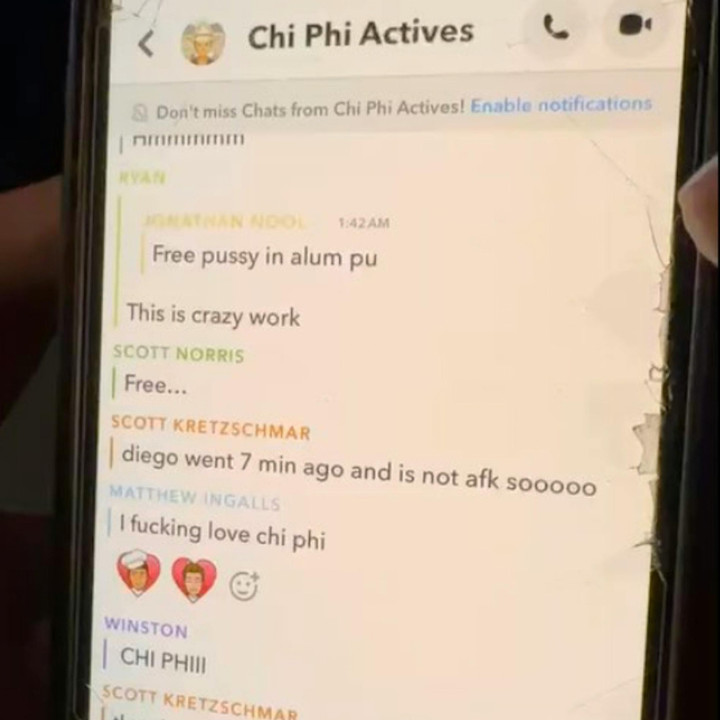
The lawsuit also reproduces a screenshot from a Snapchat group called ‘Chi Phi Actives.’ It alleges that Newell sent a message at approximately 1.42am encouraging other members to come upstairs and participate in the assault, and that more men subsequently entered the room.
Several defendants have publicly disputed the allegations. Kretzschmar’s lawyer denied that his client touched or sexually assaulted Doe; Norris denied participating in sexual activity or drug use; and Lopes’s lawyer denied the allegations against his client, saying they did not reflect the complete record.

The Initial Handling
According to her lawsuit, Doe reported the assault to Cornell University Police on 8 November 2024, with encouragement from friends. Cornell placed the Chi Phi chapter under temporary suspension that day. A separate Title IX investigation began in January 2025, followed by at least 12 hearings in May, according to the complaint.
The disciplinary outcomes remain contested. Doe’s legal team says two of the seven named students were expelled, while others received lesser sanctions, including suspensions, workshops or written assignments. Cornell says its panel imposed sanctions that included expulsions and suspensions, and disputes suggestions that essay-writing was anyone’s sole punishment.
The university maintains that its proceedings followed university policies and has declined to disclose individual outcomes, citing federal student-privacy law. It says the Chi Phi chapter was closed in 2024 and remains barred from campus.
The criminal investigation took a separate course. Tompkins County prosecutors declined to bring charges in 2024, with District Attorney Matthew Van Houten saying the evidence available at the time was insufficient to support prosecution. He acknowledged that his office relied on Cornell University Police’s investigation without conducting an independent inquiry.
Whether prosecutors received the Snapchat screenshot during that investigation is disputed. Van Houten said it had not been provided to his office; Cornell says its police department supplied it in November 2024, along with other evidence.
Doe has since left Cornell. Her lawyer, Thomas Giuffra, says she continues to experience significant distress following the events described in her complaint.
A Renewed Pursuit Of Accountability
Doe’s 101-page civil complaint seeks damages from the individuals she accuses of involvement and the institutions she says failed to protect her. It also challenges Cornell’s handling of her report.
Following the lawsuit, Van Houten reopened the criminal investigation and announced plans to present evidence to a grand jury. He described the complaint as ‘dramatically different’ from Doe’s initial statement. Giuffra disputes that characterisation and has criticised authorities for failing to follow up with her through investigators trained to interview survivors of sexual violence.
On 1 October, Governor Kathy Hochul appointed the Office of Attorney General Letitia James as special prosecutor, transferring oversight after expressing a loss of confidence in the local district attorney’s handling of the case.
That appointment places the criminal investigation under new leadership. Alongside it, Doe’s civil lawsuit seeks to establish responsibility for the violence she describes and the institutional failures she says followed. Both the events at the fraternity house and the response to her report are now under renewed examination.

Born in Korea and raised in Hong Kong, Min Ji has combined her degree in anthropology and creative writing with her passion for going on unsolicited tangents as an editor at Friday Club. In between watching an endless amount of movies, she enjoys trying new cocktails and pastas while occasionally snapping a few pictures.