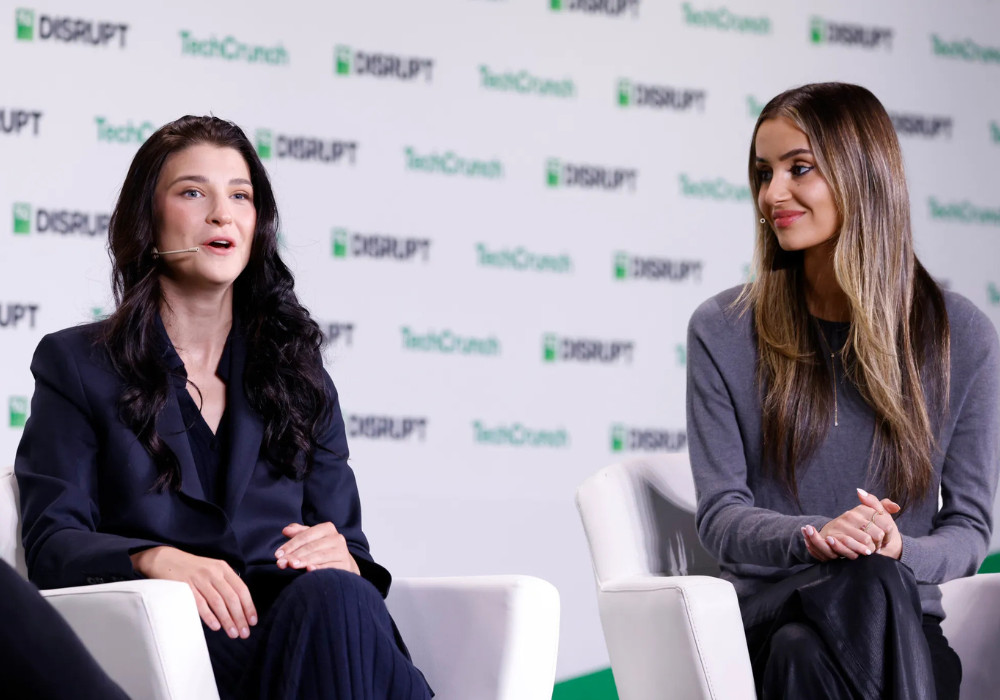

After promising to streamline the online shopping experience with a prominent name behind it, AI shopping app Phia has managed to fumble the bag in spectacular fashion. The startup, co‑founded by Phoebe Gates – daughter of Microsoft billionaire Bill Gates – and Sophia Kianni, is facing backlash after it was discovered that it had been taking affiliate credit (and commissions) for sales it never actually drove.
Phia sold itself on the promise of using AI to find the lowest prices for users. But accusations that it was essentially skimming commissions have left the browser extension grappling not just with efficiency questions, but with a deeper crisis of user trust.
Read More: The ‘Selling Out’ Of An Era? Shein Moves To Acquire Everlane For USD$100 Million

How Phia Sold Its Promise
Pitching itself as an AI‑powered personal shopping assistant, Phia was a simple enough idea on paper: a browser tool to help users find the lowest prices by comparing options across platforms and applying discount codes at checkout. Likened to the infamous Honey shopping tool – which faced similar misconduct allegations in the past – what set Phia apart was largely the big‑tech name recognition at the helm.
With co‑founder Phoebe Gates front and centre, the startup was automatically given more credibility in tech and business – and it also carried an implicit sheen of values‑driven purpose.
Phoebe’s background in activism also positioned Phia as a promoter of sustainability, ethical standards, and second‑hand or eco‑conscious fashion. Tapping into the rhetoric of ‘democratising’ online shopping, the browser was marketed as a smarter, more transparent choice in the murky world of affiliate marketing and e‑commerce.
Reportedly raising over USD$40 million in funding and boasting celebrity investors like the Kardashians, Hailey Bieber and Karlie Kloss, Phia’s own affiliate model promised that commissions would only be earned when purchases were directly influenced by the app’s suggestions.

Caught With Its Hand In The Cookie Jar
The scandal facing Phia boils down to the gap between that pitch and what its code was actually doing when shoppers clicked through links. Instead of taking a cut only when its suggestions directly influenced a purchase, the platform was reportedly injecting its own tracking into unrelated transactions – even ones where the user had arrived on their own or via another affiliate.
This tactic, known as ‘cookie‑stuffing’ or attribution hijacking, plants Phia’s cookies on a user’s browser without a proper click‑through. When checkout comes, the retailer’s system credits Phia for the sale – diverting commissions from others and into the startup’s pocket.
In practice, that means other platforms, creators and publishers who may have driven the sale could lose their fee, while Phia got paid for doing nothing more than sitting in the background.

The Act & The Optics
One detail that’s made this scandal especially sticky is how blatant the workaround looks once you see it. Not only is the behaviour reportedly in violation of most affiliate networks’ terms and stand-down rules, but a platform that positioned itself as a more transparent middleman getting caught cutting the line through fake clicks is about as toxic for a reputation as it gets.
From a user’s point of view, the reported experience might have looked relatively harmless: the browser extension finds price comparisons, maybe suggests a promo code, and checkout goes through as normal. But under the hood, the extension was running its own agenda – dropping in its own cookies and falsely stepping into the commission stream.
An AI‑backed shopping app co‑founded by a Gates heir and climate activist, additionally backed by celebrity investors, and framed as a way to make online shopping fairer and more efficient – this is as far as you can get from just a random coupon plugin. When a brand uses the rhetoric of a more ethical and empowering experience, then gets caught using shady tricks, the backlash isn’t just about the code: it’s about the sense of bait‑and‑switch.
A substantial part of Phia’s success hinges on trust: trust that the AI is working in users’ interest, trust that revenue streams are clean, trust that a high‑profile, values‑led startup wouldn’t replicate the very behaviours it claims to be fixing.
The disconnect between what’s visible and what was actually happening behind the scenes has turned Phia into a cautionary tale – a case study in why people are wary of ‘smart’ shopping tools, now often powered by AI, wedged between them and the checkout button.
The Bigger They Are, The Harder They Fall
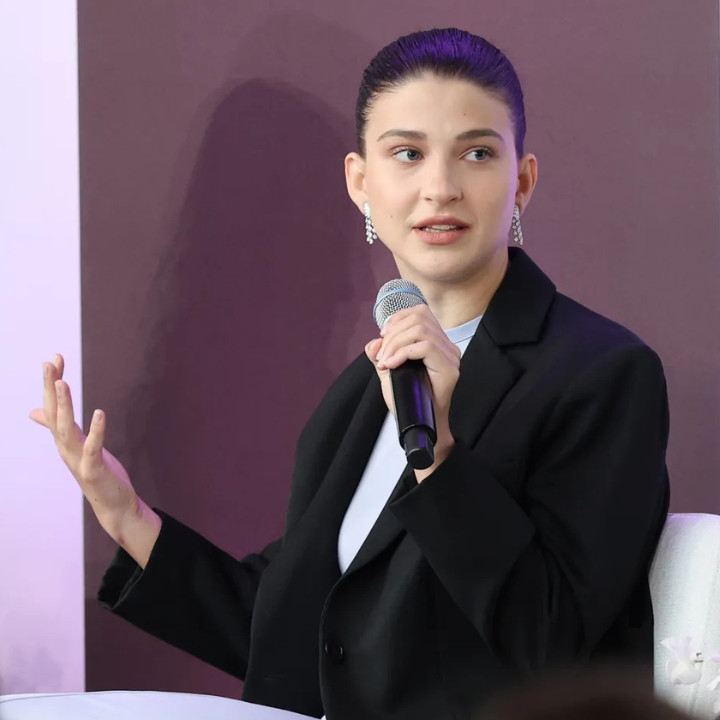
Why this particular story has been travelling so fast comes down to who’s at the core of it – what was once a selling point has accelerated its downfall. While Phoebe has argued for distancing herself from her family name and building something herself, the reality of the Gates surname is inescapable: any project attached to that level of wealth and philanthropy is going to be held to a different standard.
With Phia’s existing privacy complaints, this cookie‑stuffing scandal paints a bleak picture of a young company already pushing into grey areas.
It also doesn’t help that Phia’s unravelling lands in a landscape already suspicious of AI. There’s a growing skepticism around tools that promise to ‘optimise’ or ‘personalise’ shopping while discreetly nudging users toward whatever makes the platform the most money.
Even in a pre‑AI internet, concerns around tools like Phia were nothing new. Now with masks slipping to reveal misleading AI tools, it’s not that we haven’t seen this before – it’s the same old story, just with shinier packaging.
Phia has already released a statement that its ‘glitch’ has been fixed, but the longer‑term challenge is harder: convincing users that its version of AI‑assisted shopping can be trusted again – when its supposed core differentiator already looks like an empty promise.

Born in Korea and raised in Hong Kong, Min Ji has combined her degree in anthropology and creative writing with her passion for going on unsolicited tangents as an editor at Friday Club. In between watching an endless amount of movies, she enjoys trying new cocktails and pastas while occasionally snapping a few pictures.