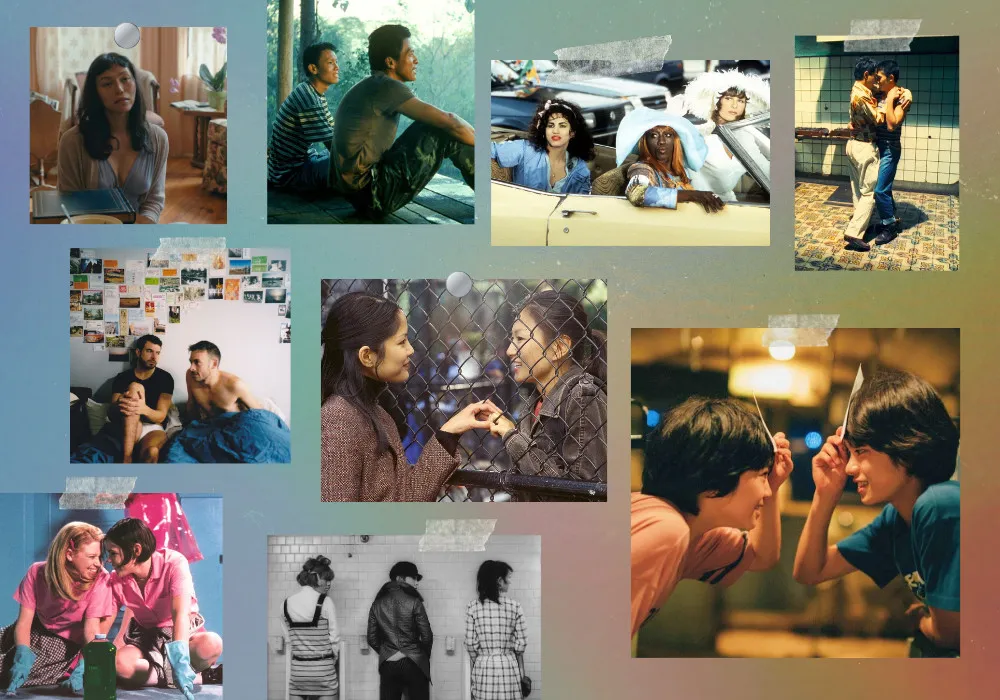
Have you already cried over ‘Brokeback Mountain’, swooned through ‘Call Me by Your Name’ or emotionally unravelled watching ‘Portrait Of A Lady On Fire’? From ‘Carol’ to ‘Moonlight’, these modern classics have rightfully earned their place in the queer cinema canon – but they’re only the beginning.
Consider this list your next watchlist: a curated mix of all-time greats, overlooked gems and films that capture queer love, identity and everything in between with nuance, heartbreak and real cinematic power.
Read More: Heated Rivalry – The Little Canadian Show That Set The World On Fire
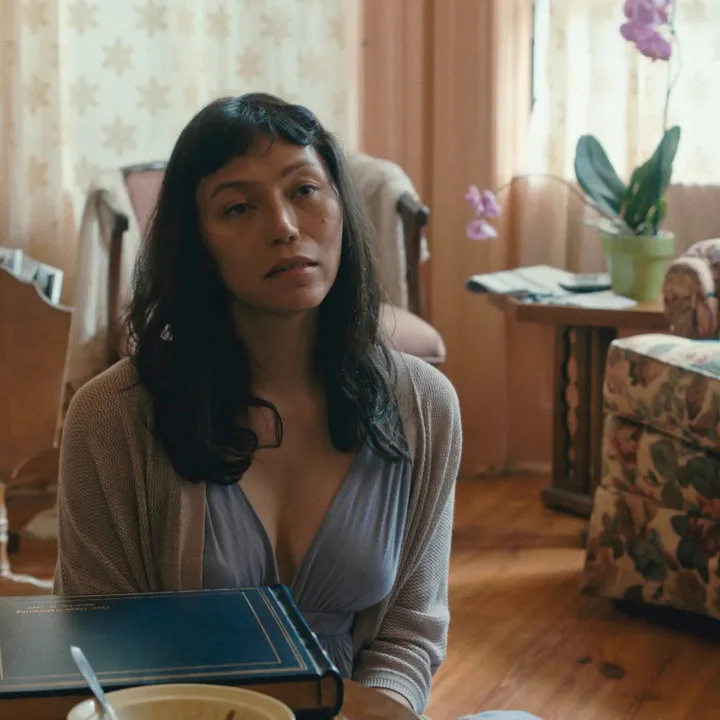
Lingua Franca (2019)
Written, directed by and starring Filipina filmmaker Isabel Sandoval, ‘Lingua Franca’ is Sandoval’s first film after her gender affirmation. Olivia (Sandoval) spends her days caring for an elderly woman in Brooklyn’s Brighton Beach and her nights gripped by an unrelenting sense of dread: ICE raids on the news, money being sent back to the Philippines and the uncertainty of life as an undocumented trans woman in America. When her employer’s grandson Alex (Eamon Farren) enters the picture fresh out of rehab, their fragile romance becomes less an escape than a fraught negotiation of power, desire and survival. Following the ways language, borders and bodies become bargaining chips in the search for emotional and physical security, Lingua Franca explores how the most romantic gesture may simply be the promise of a future in a system that doesn’t think you deserve one.
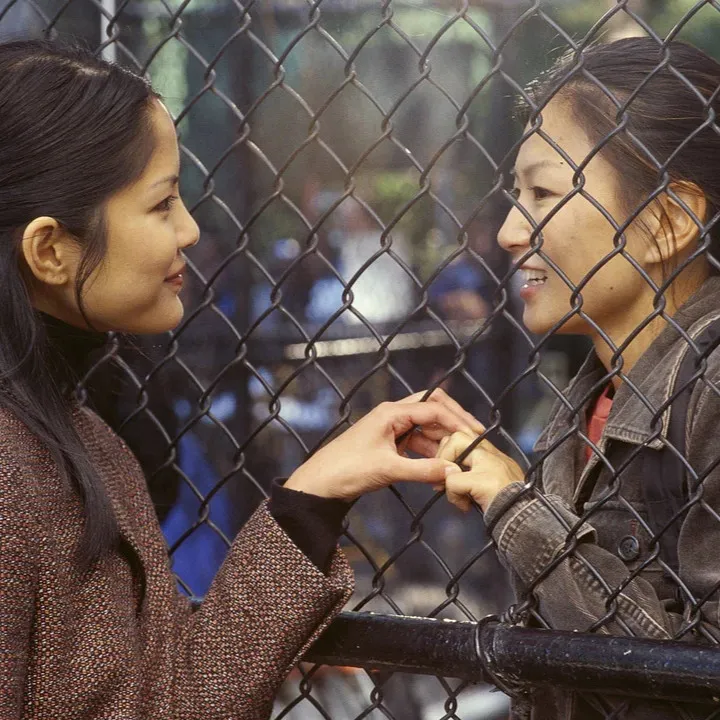
Saving Face (2004)
If you’ve ever wanted a queer romcom that understands what it’s like to juggle filial piety, auntie gossip and a wildly inconvenient crush, queue up ‘Saving Face.’ Alice Wu’s landmark debut follows Wil (Michelle Krusiec), a Chinese-American surgeon whose double life – playing the good daughter at matchmaking dinners while secretly seeing charismatic ballet dancer Vivian (Lynn Chen) – falls apart when her mother (Joan Chen) shows up pregnant, refuses to name the father and is effectively exiled to Wil’s apartment. An enduring modern queer classic, ‘Saving Face’ is a true gem that lets queer Asian women have big feelings, messy family dynamics and a joyfully romantic ending.
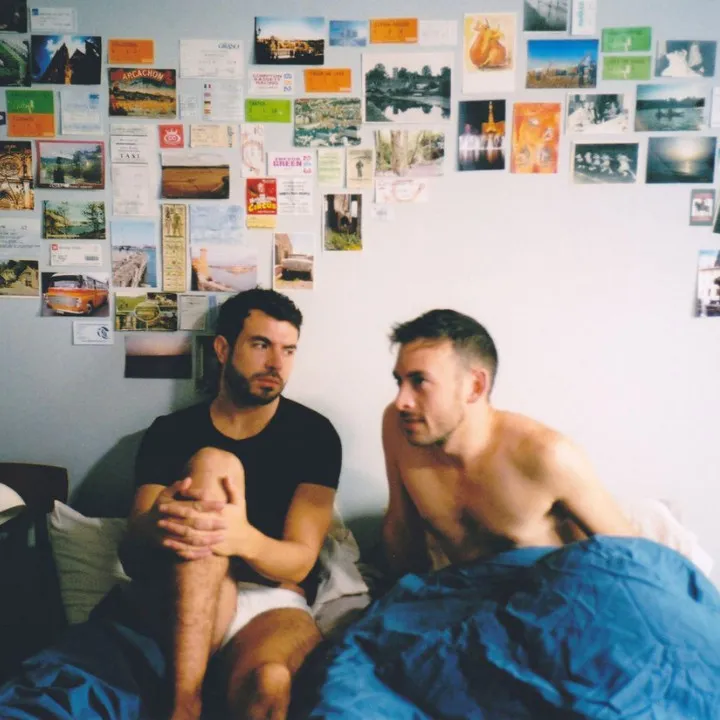
Weekend (2011)
Rather than tracing a grand, years-long romance, Andrew Haigh’s Weekend zooms in on just 48 hours. Set in Nottingham, this aching two-hander follows shy lifeguard Russell (Tom Cullen), who goes home one night with the blunt, artistic Glen (Chris New) and discovers that this would-be one-night stand is becoming something more. Over a single weekend, with Glen’s departure for America looming the next day, they fall further into each other as the impending goodbye shapes every moment. Intimate and emotionally precise, Weekend plays like a queer ‘Before Sunrise’: candid, tender and heartbreakingly honest about how even the briefest encounter can feel like a lifetime.
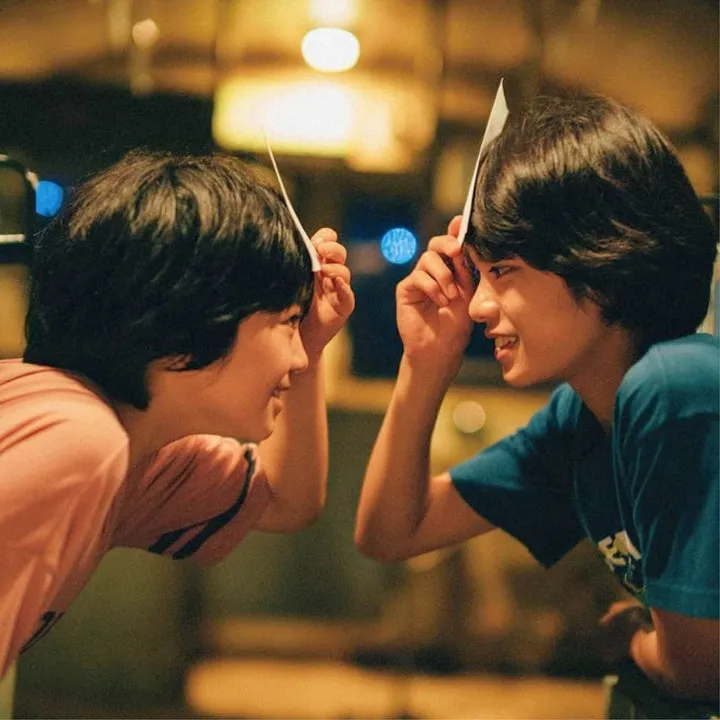
Monster (2023)
2023 Cannes Queer Palm winner ‘Monster’ begins with a simple but troubling setup: a single mother (Sakura Andō) grows increasingly alarmed when her young son Minato (Sōya Kurokawa) comes home with just one shoe, cuts his own hair and starts acting out, prompting her to accuse his seemingly mild-mannered teacher (Eita Nagayama) of mistreatment. Told three times over – from the perspective of the mother, the teacher and finally Minato himself – the film uses a Rashomon-style structure to peel back the assumptions surrounding what has happened. What emerges is a much gentler truth: a tentative, emotionally charged bond between two boys weighed down by the world around them. With a masterfully crafted narrative, luminous music by the late Ryuichi Sakamoto and Hirokazu Kore-eda’s compassionate storytelling, Monster explores how easily difference gets mistaken for danger, and how radical it can be to simply let children explore and understand their own feelings without judgement.
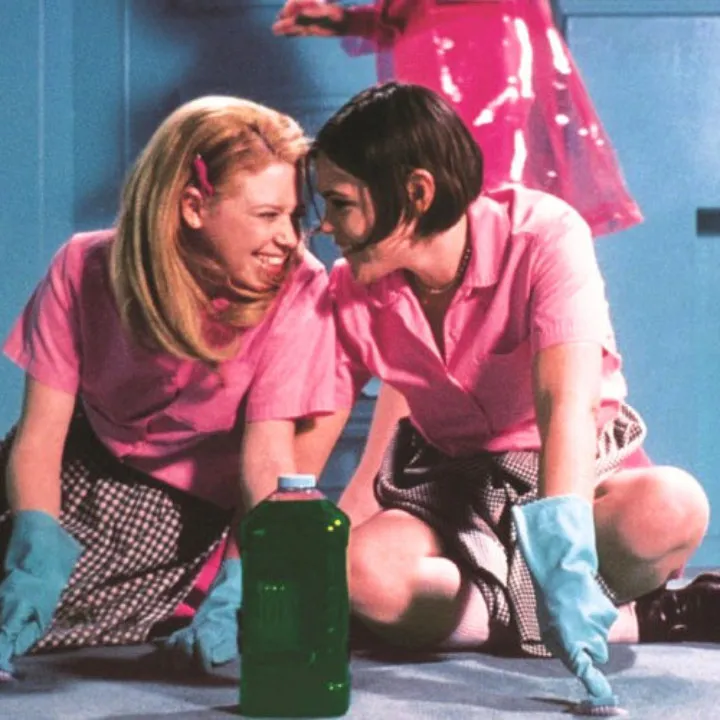
But I’m A Cheerleader (1999)
In Jamie Babbit’s candy-coloured ‘But I’m A Cheerleader,’ all-American cheerleader Megan (Natasha Lyonne) believes her vegetarianism and Melissa Etheridge posters are just innocuous personality traits. Certainly not signs that she might be a lesbian. When her God-fearing parents stage an intervention, she is shipped off to True Directions – a hilariously rigid conversion camp where she’s taught how to perform ‘correct’ gender roles. Between girls scrubbing floors in pink and boys chopping wood in blue under an out-of-drag RuPaul’s watchful eye, Megan inevitably falls for resident rebel Graham (Clea DuVall). Fully embracing camp, this cult classic exposes how artificial forced heteronormativity looks next to the messy, vulnerable authenticity of queer love. But ‘I’m A Cheerleader’ lets its lesbians fight back, get the girl and drive off into the sunset together.
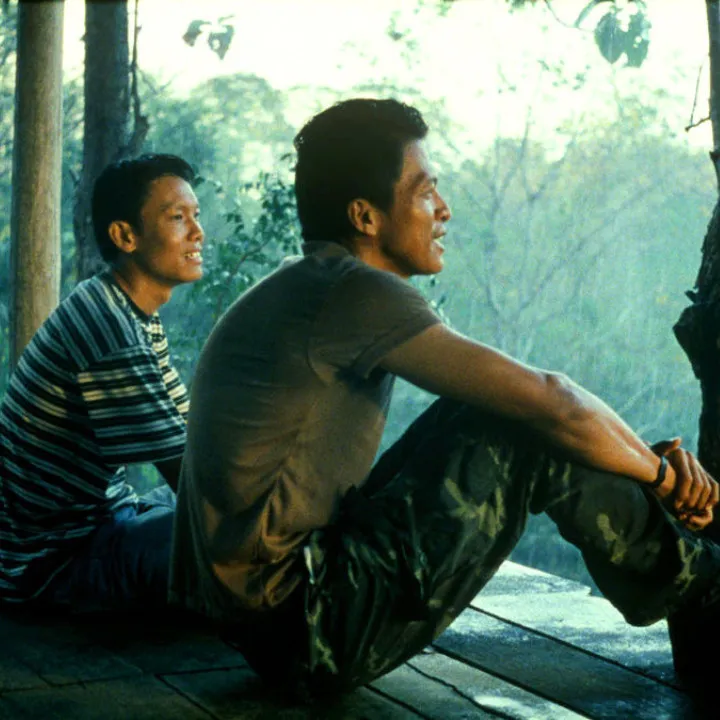
Tropical Malady (2004)
Apichatpong Weerasethakul’s ‘Tropical Malady’ plays out in two distinct halves, loosely connecting a grounded queer romance with elements of Thai folklore. It begins with a low-key courtship between Keng (Banlop Lomnoi), a soldier stationed in rural Thailand, and Tong (Sakda Kaewbuadee), a shy country boy. As they share snacks, wander through cinemas and carefully circle each other, a quiet flirtation begins to take shape. But when Tong abruptly disappears into the darkness, the film slips into its surreal second half. A soldier, played again by Lomnoi, finds himself hunting – and being hunted by – the spirit of a tiger shaman, played in human form by Kaewbuadee, through the dense jungle. Moving away from conventional romance, ‘Tropical Malady’ explores queer desire as something enigmatic, primal and difficult to contain, using dreamy mystical realism to carry its love story into the realm of myth.
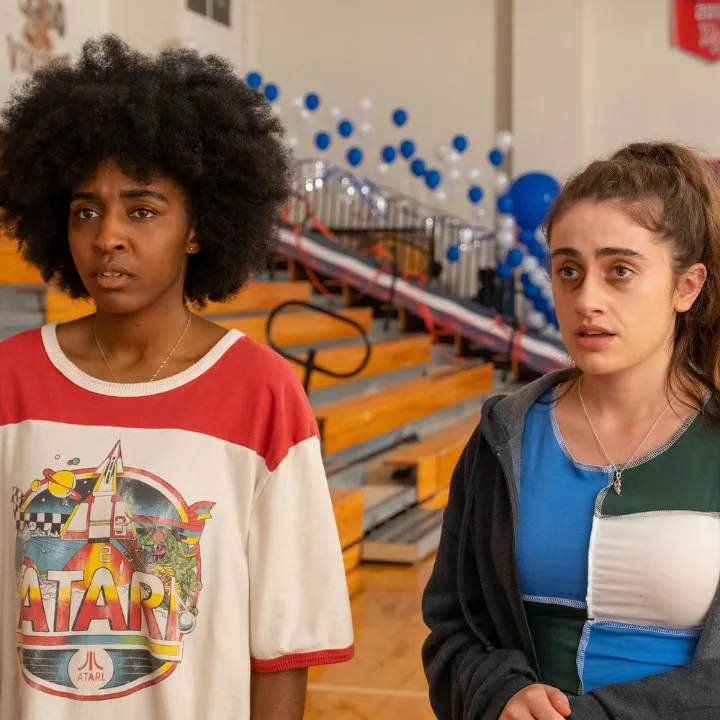
Bottoms (2023)
If ‘Fight Club’ were remade as a wildly stupid, very horny lesbian teen comedy, you’d get ‘Bottoms.’ Co-written by and starring Rachel Sennott alongside Ayo Edebiri, the film follows best friends PJ and Josie: two unpopular high school lesbians so desperate to hook up with hot cheerleaders that they start a ‘self-defense’ club. As their barely supervised fight club takes off, with girls pummelling each other in the name of empowerment, their scheme spirals into total mayhem. A queer, campy satire of the classic movie, ‘Bottoms’ gleefully pushes itself to the edge of pure insanity and refuses to pull back. Crass, violent and proudly unserious, the film still offers a surprisingly smart, oddly sweet take on friendship, queer yearning and how messy high school can get for ‘ugly, untalented gays.’
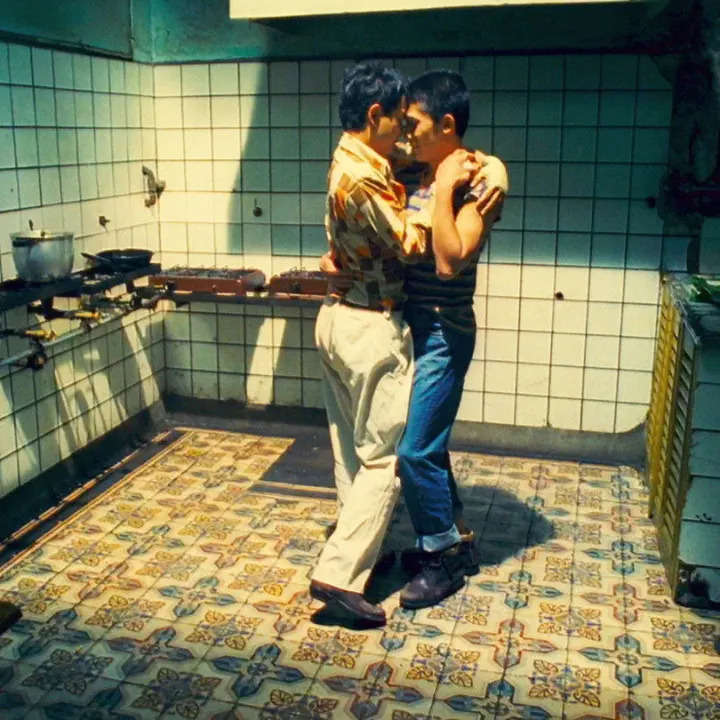
Happy Together (1997)
Wong Kar-wai’s ‘Happy Together’ is the rare breakup movie that stretches a relationship’s death rattle into something hypnotic, bruised and heartbreakingly beautiful. Lai and Ho, played by Tony Leung and Leslie Cheung, are lovers from Hong Kong who travel to Buenos Aires to start over, only to find themselves trapped in a cycle of fights, reconciliations and late-night tango bars. While Lai picks up odd jobs to save for a ticket home, Ho drifts in and out of his life – working the streets, returning bloodied and needy, seducing, erupting, then disappearing again. Through Christopher Doyle’s masterful cinematography, the film turns cramped apartments, flickering lamps and even Iguazú Falls into mirrors of emotional turmoil. Raw, stunning and unflinching in its depiction of a volatile on-again, off-again relationship, ‘Happy Together’ lets its queer romance play out warts and all.
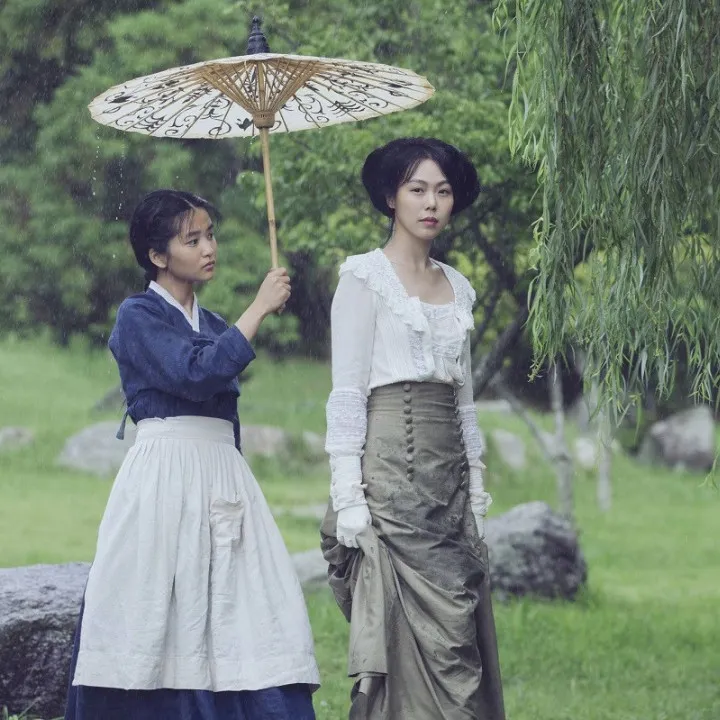
The Handmaiden (2016)
A Gothic lesbian romance drunk on power games, silk gowns, and narrative trickery, Park Chan-wook’s ‘The Handmaiden’ is a roller coaster from start to finish. In 1930s Japanese-occupied Korea, petty thief Sook-hee is hired as a maid to the seemingly fragile heiress Lady Hideko – secretly helping a fake Japanese count/suave con man scam her out of after her fortune. As Sook-hee starts falling for her mark, the film reveals – over three twisting chapters – that almost everyone is running some kind of con. With a razor-sharp script, gorgeous set design, and red-hot chemistry between its leads, ‘The Handmaiden’ follows the twists and turns of two women rewriting the narratives built to exploit them – falling in love along the way.
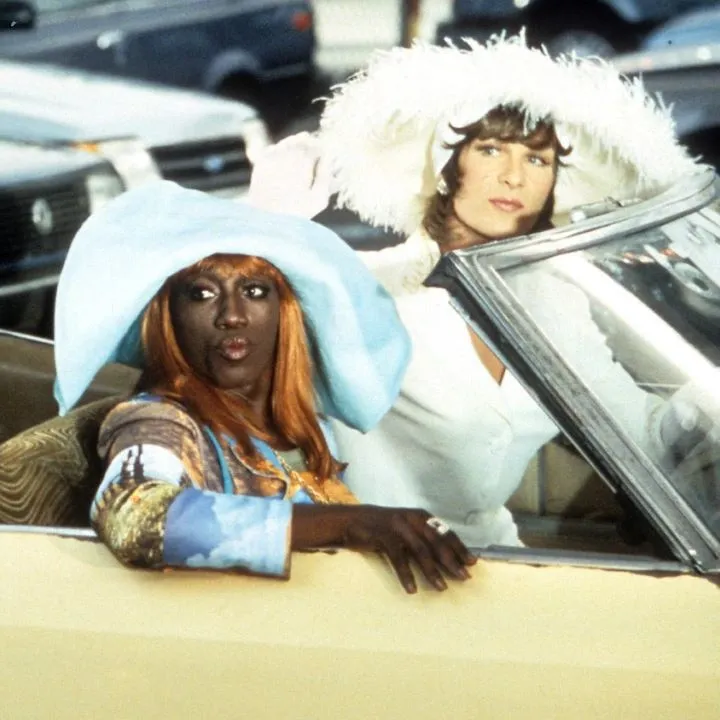
To Wong Foo, Thanks For Everything! Julie Newmar (1995)
In the grand tradition of road-trip comedies where a car breakdown turns into a fish-out-of-water tale, ‘To Wong Foo, Thanks for Everything! Julie Newmar’ adds a crucial twist: the stranded trio are outspoken New York drag queens played by Wesley Snipes, Patrick Swayze, and John Leguizamo. Statuesque pageant queen Miss Vida Bohéme (Swayze), the glam Noxeema Jackson (Snipes), and baby queen Chi-Chi Rodriguez (Leguizamo) set off cross-country for a drag pageant, only to end up marooned in a tiny Midwestern town. While waiting for repairs, they slowly bring some colour, chiffon, and a little bit more self-empowerment to the women of the town. Beyond being a wonderfully wholesome comedy, the film is a must-watch just to witness two of the 90s’ most macho action stars commit fully to playing drag queens – not as punchlines, but as glamorous, complex, full-bodied characters.
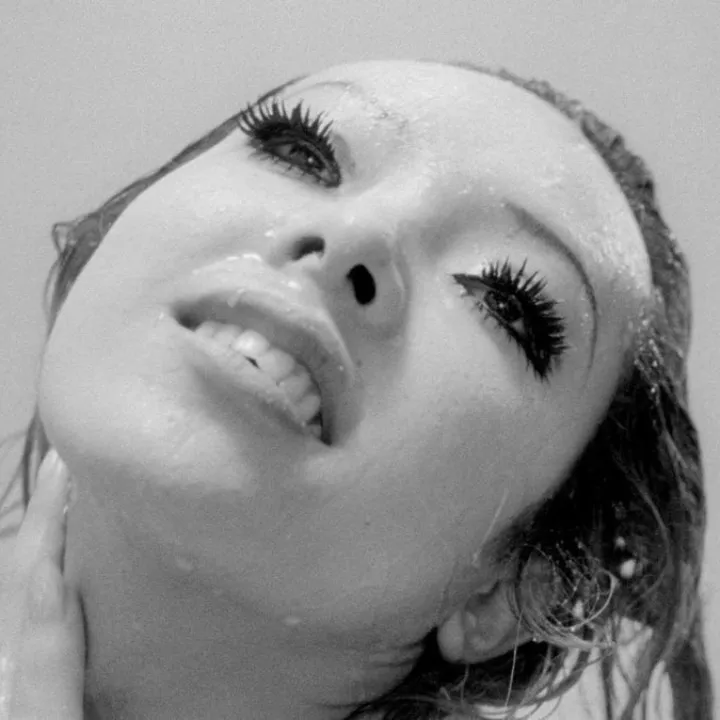
Funeral Parade Of Roses (1969)
A revolutionary classic from the Japanese New Wave film movement, Toshio Matsumoto’s ‘Funeral Parade Of Roses’ is a transgressive, avant-garde, and oddly funny watch. Set in Tokyo’s underground queer scene in the late-60’s, the film follows Eddie, a beautiful bar hostess and ‘gay boy’ caught in a love triangle with her boss and the bar’s prevailing madame. Through a narrative that’s anything but linear, this unconventional, experimental work plays with the process of filmmaking itself. Shuffling through rapid cuts, interviews, fourth-wall breaks, and meta ‘behind-the-scenes’ moments, the film concurrently tells a loose adaptation of ‘Oedipus Rex.’ More than fifty years on, its blend of gender play, anti-establishment energy, and luminous black-and-white imagery still feels subversive as a reminder of queer cinema’s long history of breaking form and rewriting who gets to exist on screen.

Born in Korea and raised in Hong Kong, Min Ji has combined her degree in anthropology and creative writing with her passion for going on unsolicited tangents as an editor at Friday Club. In between watching an endless amount of movies, she enjoys trying new cocktails and pastas while occasionally snapping a few pictures.