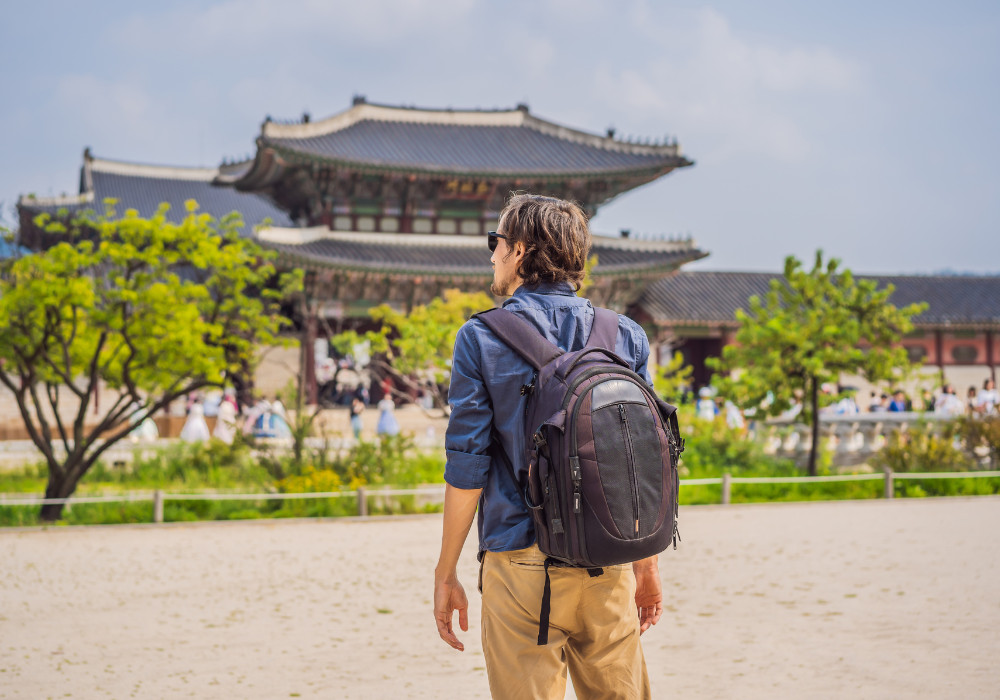

South Korea wants you to stop merely visiting and settle in for a while. With the official rollout of the updated F-1-D ‘workcation’ visa – first introduced as a pilot programme in January 2024 – digital nomads can trade their cramped home offices for a Seoul high-rise or a Jeju sea view.
It sounds like a pretty dreamy setup on paper, but before you start vision-boarding your new workstation, there is a strict list of income and documentation requirements to meet. The visa is aimed at globally mobile professionals planning a longer stay, rather than short-term tourists.
Read More: Tag At Your Own Risk – Bali Cracks Down On Influencers With Tourist Visas
Who Actually Gets In?
While this ‘workcation’ visa will appeal to many remote workers, the eligibility criteria are fairly strict. It’s intended for established remote employees and overseas business owners, rather than travellers hoping to pick up work as they go.
All potential applicants must:
- Be at least 18 years old
- Hold citizenship outside South Korea
- Work for a company based overseas or own a foreign-registered business
- Show at least one year of experience in the same industry and prove they can continue working remotely from Korea
- Hold a clean criminal record
Spouses and children may also join the main applicant under dependent status. They don’t need to meet the same employment or income requirements, but applicants must provide documents confirming the relationship, such as marriage or birth certificates, as well as any required criminal record checks.
The visa doesn’t allow holders to work for Korean companies, take on local freelance clients or carry out other profit-making activities in South Korea. It’s designed for people continuing their existing overseas work, not as an alternative route into the domestic job market.
Show Me The Money (& The Paperwork)
Presented as a more flexible alternative to a traditional work permit, the scheme has also relaxed some of the income requirements introduced during its 2024 pilot phase.
Under the updated rules, applicants are expected to:
- Meet a minimum annual income linked to South Korea’s Gross National Income, with thresholds varying by age and location
- Earn at least twice the previous year’s GNI per capita if aged over 35 and planning to live in Seoul, Incheon or Gyeonggi Province
- Check with their local consulate if they fall into another age or location category, as the remaining income tiers have yet to be confirmed
- Provide evidence of income through documents such as employment certificates, payslips, bank statements and tax records
- Hold private health insurance covering medical treatment and repatriation for the full duration of the stay
Applications are generally submitted through South Korean embassies or consulates overseas. Those already in Korea on short-term visitor status may have limited options to change to digital nomad status, provided they meet all eligibility requirements.

How Long You Can Stay?
Despite the ‘workcation’ branding, the programme is aimed at medium-term residents rather than travellers extending a holiday by a few weeks.
Under the updated rules, the F-1-D visa allows digital nomads to live in South Korea for an initial year, with extensions of up to three years available under certain conditions. Successful applicants must complete foreign resident registration after arrival and meet ongoing reporting requirements if they plan to renew beyond the first year.
The government may revise income thresholds and regional incentives over time, so the current figures should be treated as a guide rather than a fixed rule. Always confirm the latest requirements with the relevant South Korean embassy or consulate before booking your flights.

Born in Korea and raised in Hong Kong, Min Ji has combined her degree in anthropology and creative writing with her passion for going on unsolicited tangents as an editor at Friday Club. In between watching an endless amount of movies, she enjoys trying new cocktails and pastas while occasionally snapping a few pictures.