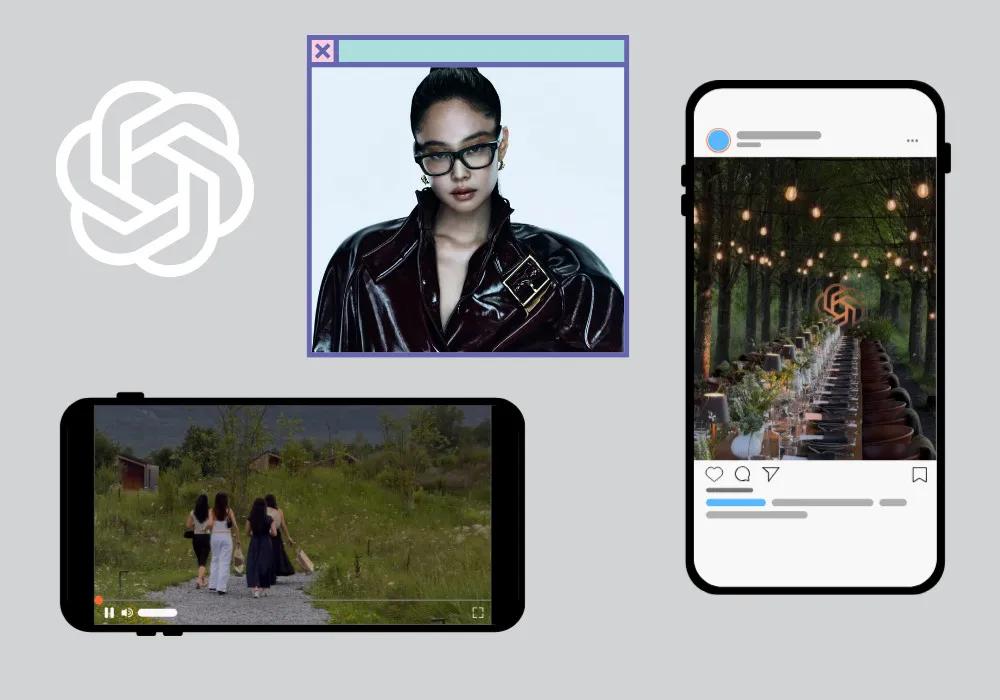
In today’s social media-driven branding landscape, where the right influencer can attract far more attention than a billboard, brand trips have become commonplace – from Coachella weekends to tours of Shein factories. OpenAI’s first venture into influencer marketing, a ChatGPT ‘Summer Club’ hosted at the luxurious, nature-filled Wildflower Farms in upstate New York, appeared designed to make AI feel approachable and creator-friendly.
The cottagecore getaway instead prompted widespread criticism. OpenAI’s poorly received retreat became the centre of a broader debate over what’s at stake when AI companies attempt to manufacture cultural relevance.
The disconnect between a luxury nature retreat and an AI company was immediately apparent. More importantly, the campaign raised a harder question: can the familiar machinery of influencer marketing work for a technology as contested and consequential as generative AI?
Read More: The ‘Selling Out’ Of An Era? Shein Moves To Acquire Everlane For USD$100 Million
When The Optics Collapse
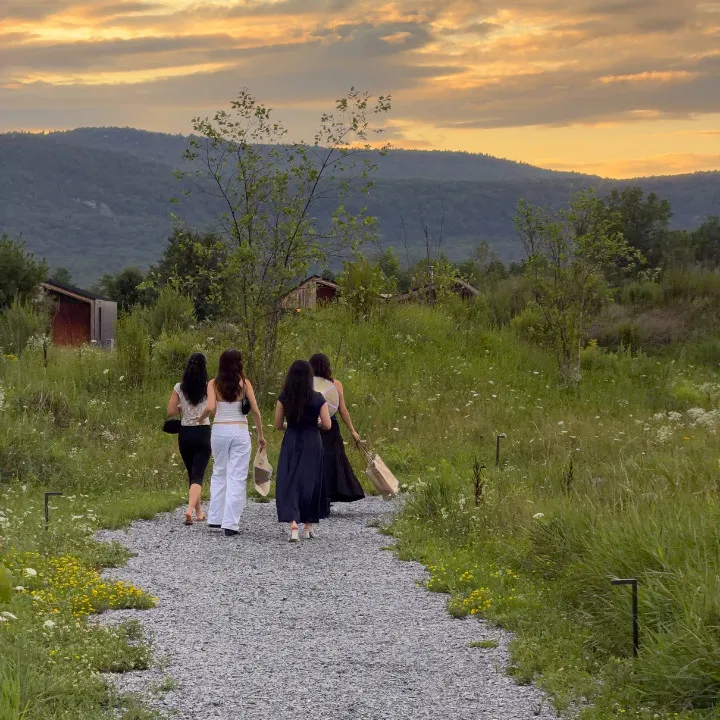
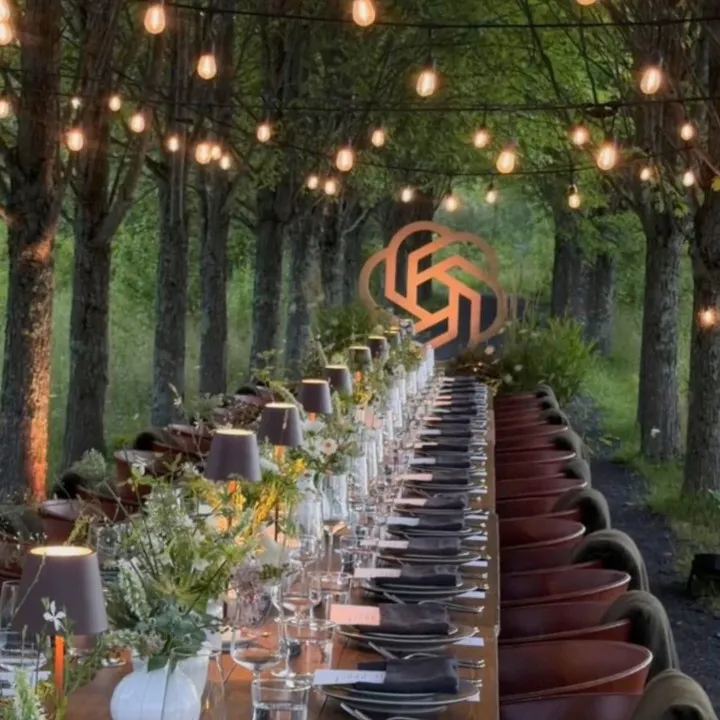
The trip was pitched as simple enough: fly a handpicked group of content creators to Wildflower Farms, put them in luxurious cabins, introduce them to new tools like ChatGPT Work, and have them share how AI can fit into everyday creative life. What surfaced online instead were farm-to-table dinners, monogrammed pyjamas, nature walks, and beekeeping montages.
The setting itself shattered the illusion. By borrowing from cottage-core and slow-living visual language, OpenAI tried to position itself in harmony with creativity, community, and the natural world – rather than in opposition to it. Given how much criticism AI companies face for their environmental footprint – GPU-thirsty data centres consuming billions of gallons of water for cooling – the tone-deafness of these images landed almost too perfectly.
A company that just secured a massive government contract and a billion-dollar data centre deal hosting an ‘eco-friendly,’ greenwashed retreat for influencers was bound to draw fire. Even the most harmless content – a creator filming a bathtub – got read through that lens. On its face, the post had nothing to do with OpenAI, yet it felt fused to the broader suspicion that the company is more interested in distracting from its impact than confronting it.
The bitter twist is that the retreat seemed designed to counter the very perception that triggered the backlash: the idea that generative AI is cold, destructive, and hostile to both the planet and human creativity. In the end, the trip only deepened the impression of environmental harm, job insecurity, and the opaque power of firms like OpenAI.

Selling AI As A Lifestyle
OpenAI’s influencer retreat is part of a wider shift in how AI companies are trying to sell themselves. ‘AI is inevitable so get on board’ is no longer the only message; brands are now actively courting users and chasing cultural and social clout.
The ‘Summer Club’ marks OpenAI’s first visible swing at cultural credibility. It follows the hiring of Charles Porch – Instagram’s former VP of Global Partnerships – as the company’s first VP of Global Creative Partnerships, brought in to build closer ties with creators.
Other companies are making similar moves. Anthropic is targeting writers and artists with intimate salons, positioning its AI assistant Claude as the more ‘creative’ and ‘emotional’ chatbot: the ‘nice guy’ of AI. Multiple smart glasses brands have started running campaigns that focus on who’s wearing them and what they look like, leaving technical specs in the background.
All of this is happening inside a market where heavy users and loud critics increasingly blur together. Pew Research Center’s June 2026 data shows that 66% of adults aged 18 to 29 in the US use AI chatbots – the highest usage of any age group – yet 48% of that same demographic believe AI will have a negative impact on society. Meanwhile, 37% expect AI to affect them personally in negative ways – again, the most pessimistic of any adult bracket. Separate polling finds 59% of this cohort see AI as a threat to job prospects, with 41% expecting work to feel less meaningful because of it.
When the audience being targeted is already more likely to be wary of AI’s environmental and cultural impact, a luxury weekend doesn’t land as desirable or authentic – it lands as dystopian.
Marketing The Invisible
The retreat also exposed how standard influencer formulas sit awkwardly when the product is software. Generative AI is a strangely intangible thing to market: you can’t dynamically hold it, photograph it, or use it the way you can apply sunscreen at Coachella or carry a handbag at NY Fashion Week. Simply typing on a screen won’t generate hits.
Most AI campaigns have to focus on people and scenarios to stand in for the tech: from recaps on how AI fit into someone’s workflow to come-with-me reels showing how a person uses an AI assistant throughout their day.
Therein comes an odd dissonance and heightened scrutiny. The majority of what viewers see is not the software, yet everything is unavoidably tied to the topic: beekeeping against biodiversity concerns, lush fields against land use and infrastructure, beautiful nature walks against data centres. One influencer remarked on how ‘thoughtful’ the retreat felt, and comments immediately asked how she reconciled the serenity of the weekend with the harmful costs of AI that real communities are facing.
Would a work-oriented brand trip – offices, product teams, even an actual tour of a data centre – have saved OpenAI this backlash? That hypothetical comes with its own trap. Such a trip risks being read as another performance of ‘authenticity’: a stage-managed facade rather than genuine transparency.
Influencer marketing rests largely on the idea that products can be shown in relatable contexts. AI complicates this formula when the ‘product’ is more abstract. Campaigns end up grasping at atmosphere rather than the tool itself. The who, what, and where become extra crucial because every single aspect ends up exponentially more identified with the product.
The Questions PR Cannot Answer
Creative communities and young professionals – regardless of whether they use generative AI tools themselves – are some of the most vocal opponents of AI’s impact on culture and labour. At the same time, companies are increasingly dependent on those voices to be early adopters, evangelists, and usage storytellers – especially as many attempt to shift their public perception.
An odd paradox is starting to take form: the more AI is disparaged for draining humanity out of society, the more its marketing has to reach for imagery of intimacy, creativity, and authenticity to sell itself. And within this divide sits a wide trust gap. Generative AI carries an extra layer of ethical and societal baggage before the first clip is even posted.
There’s no surprise that some of the harshest commentary on the retreat came from tech-aware audiences who already feel AI’s presence as both a tool and a threat. It’s hard to escape the uncomfortable irony of OpenAI’s objective: a company pushing software that many believe seeks to automate parts of labour and creativity, inviting creators to market and learn about their own potential replacement.
What this ‘Summer Club’ weekend ultimately highlights is that AI marketing is still in an awkward adolescence. As companies can’t rely on the ‘inevitable’ argument anymore, they’re scrambling to figure out what campaigns actually feel attractive rather than dystopian to consumers.
If anything, OpenAI has deepened the sense that, with fundamental negative aspects of AI being structural requirements of the tech itself, the hard questions can’t be glossed over. No matter how many influencers you invite to the countryside.

Born in Korea and raised in Hong Kong, Min Ji has combined her degree in anthropology and creative writing with her passion for going on unsolicited tangents as an editor at Friday Club. In between watching an endless amount of movies, she enjoys trying new cocktails and pastas while occasionally snapping a few pictures.